guides
Absinthe Wormwood (Artemisia absinthium): Comprehensive Cultivation, Processing, and Use Guide
Complete guide to absinthe wormwood cultivation covering Artemisia absinthium, growing parameters, propagation, harvest timing, processing methods.
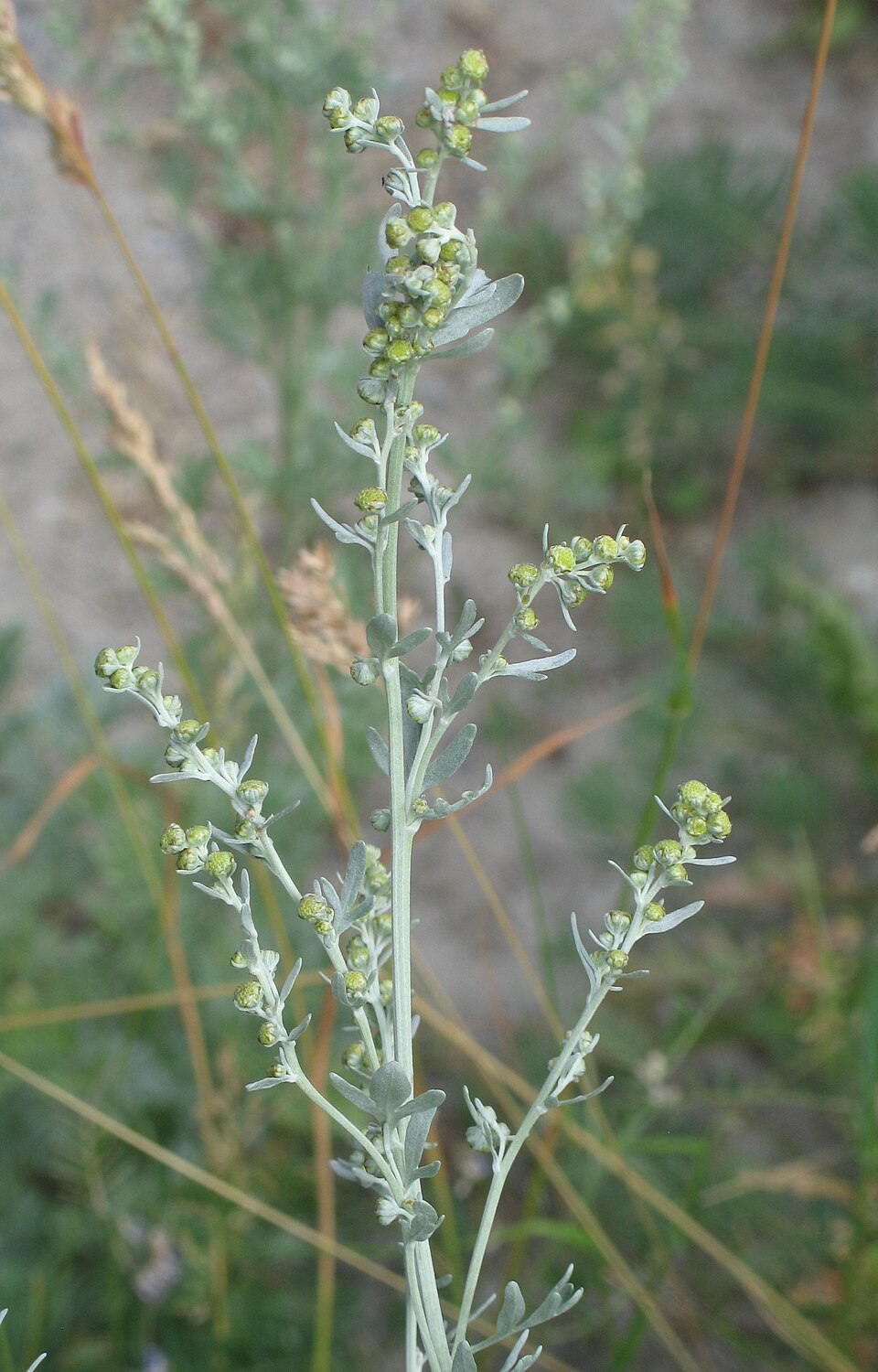
Botanical Description and Modern Scientific Context
Absinthe wormwood, Artemisia absinthium, is a hardy, aromatic, herbaceous perennial in the Asteraceae family. It forms a woody base with upright, branching stems 2–4 feet (0.6–1.2 m) tall, bearing finely divided, silvery-gray leaves densely covered in hairs that reduce water loss and reflect intense sunlight. Small, drooping yellow flower heads appear in mid to late summer.
The plant is intensely bitter and strongly aromatic due to a complex chemistry dominated by monoterpenes and sesquiterpene lactones, including thujone (α- and β-), absinthin, anabsinthin, artemisin, camphor, and borneol, alongside flavonoids and phenolic acids.
In modern phytochemistry and ethnobotany, wormwood is discussed for its effects on sensory receptors, digestive signaling, smooth muscle tone, and microbial ecology—always framed within historical, culinary, and traditional-use contexts rather than approved medical indications.
Origin, Ecology, and Global Spread
Wormwood is native to temperate Eurasia and North Africa, thriving in dry grasslands, disturbed soils, and rocky slopes. It naturalized widely across Europe, Western Asia, and later North America, particularly in arid and semi-arid regions with alkaline soils.
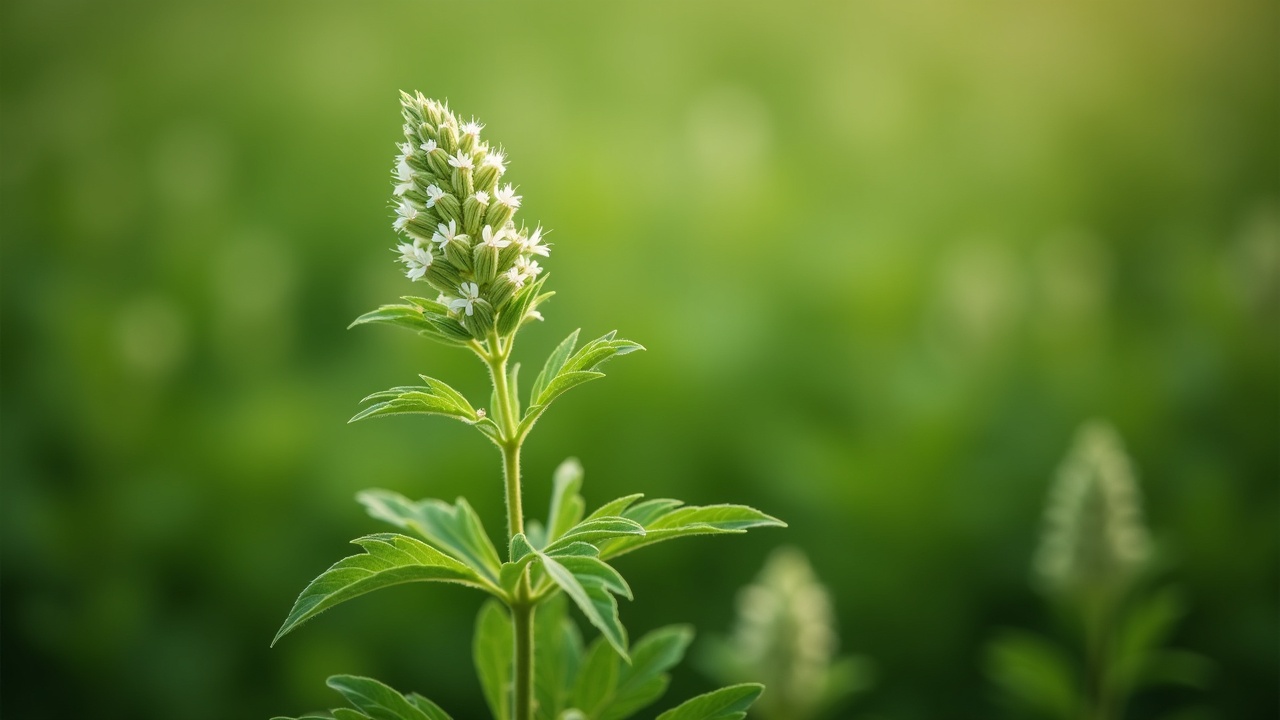
Origin, Ecology, and Global Spread
Its resilience, strong aroma, and pest-repelling properties made it a common plant around homesteads, monasteries, and gardens for centuries.
History of Use: From Antiquity to Absinthe
Ancient and Medieval Use
Classical Greek, Roman, and later European texts reference wormwood as a bitter tonic, vermifuge, and aromatic herb. It appears repeatedly in medieval pharmacopeias, monastic gardens, and early agricultural manuals.
The Absinthe Era (19th Century)
Wormwood became globally famous as the defining botanical in absinthe, a distilled spirit developed in Switzerland and popularized in France. Cultural concerns about excessive consumption and adulteration—not wormwood alone—led to bans in many countries in the early 1900s.
The Absinthe Ban and Reassessment
Contemporary research clarified that traditional absinthe-style preparations contain controlled, low thujone levels, and many bans were lifted with regulation. Wormwood today is primarily valued for its aromatic, bitter, and ethnobotanical roles, not as a recreational intoxicant.
Plant Morphology, Seeds, and Reproductive Biology
Wormwood is a short-lived perennial (3–5 years typical) that self-seeds lightly under favorable conditions. Flowers are wind- and insect-pollinated, producing tiny, dust-like seeds with no dormancy requirement.
Vegetative growth dominates in early seasons; flowering occurs once plants are well established.
Climate Adaptation and Environmental Requirements
Absinthe wormwood performs best in USDA hardiness zones 4–9. Excessive moisture and humidity reduce aroma intensity and increase disease pressure.
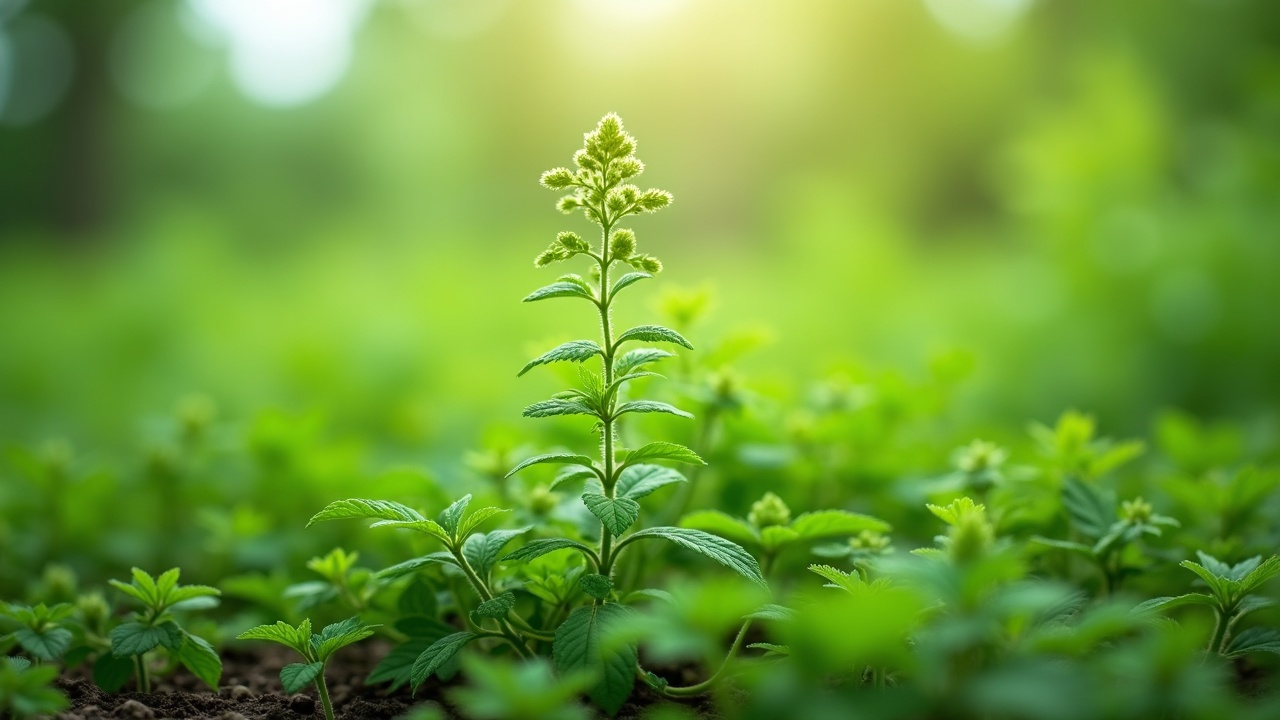
Climate Adaptation and Environmental Requirements
| Parameter | Optimal Range |
|---|---|
| Growing Season Temperature | 10–30°C (50–86°F) |
| Cold Tolerance | Excellent; survives hard freezes |
| Sun Exposure | Full sun (6–8+ hours) |
| Relative Humidity | Low to moderate |
| Water Requirement | Low; drought tolerant once established |
Soil Preferences and Fertility
Wormwood prefers well-drained, lean soils, often thriving where richer plants struggle. Excess nitrogen reduces bitterness and essential oil concentration.
| Parameter | Specification |
|---|---|
| Soil pH | 6.5–8.0 (tolerates alkaline soils) |
| Texture | Sandy loam, gravelly soils |
| Organic Matter | Low to moderate |
Propagation, Establishment, and Growing Systems
Wormwood can be established through several propagation methods, each suited to different scales and seasons.
- Seed propagation: Surface-sown; requires light to germinate
- Division: Mature clumps divided in spring or fall
- Cuttings: Semi-woody cuttings root under warm, dry conditions
| Parameter | Specification |
|---|---|
| Plant Spacing | 60–90 cm (2–3 ft) |
Common Growing Systems
- Herb gardens
- Dryland or xeric systems
- Border or pest-deterrent companion plantings (not directly adjacent to sensitive crops)
Growth Cycle, Harvest Timing, and Biomass Quality
Proper harvest timing is essential for maximizing the aromatic and bitter compound concentration in wormwood plant material.
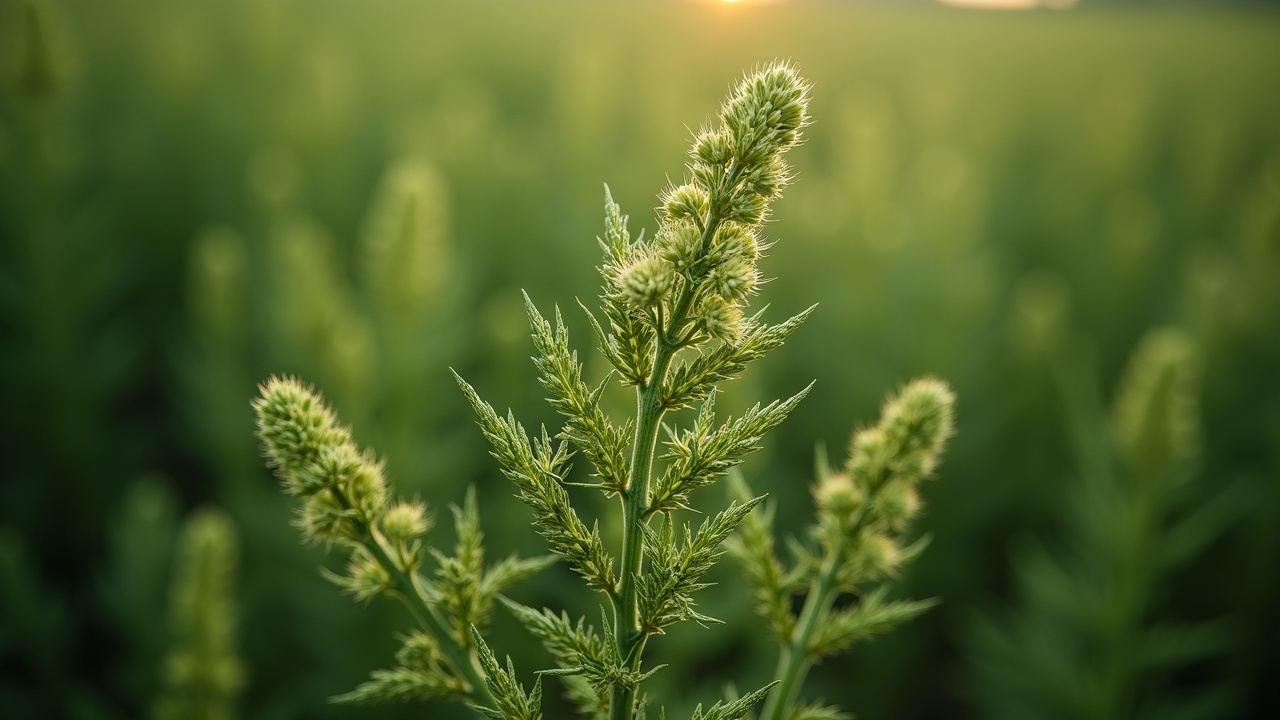
Growth Cycle, Harvest Timing, and Biomass Quality
- Leaves are harvested just before flowering for peak aromatic and bitter compound concentration
- Flowering tops are harvested separately when flowers are fully formed but not yet senescent
- Harvesting early in the day after dew dries preserves volatile oils
Post-Harvest Handling and Storage
Properly dried wormwood retains its silver-green color and a sharp, resinous aroma. Rapid and careful drying is critical to preserving volatile oil content.
| Parameter | Specification |
|---|---|
| Drying Method | Shade-dry or dehydrate at ≤40°C (104°F) |
| Target Moisture | <10% |
| Storage | Airtight, light-protected containers |
Processing, Preservation, and Transformation
Drying and Powdering
Leaves and flowering tops are dried and lightly milled for teas, sachets, or aromatic blends. Fine powders increase surface area but accelerate aroma loss.
Alcoholic Extraction (Historical Context)
Alcohol extracts terpenes and sesquiterpene lactones efficiently and underpins traditional absinthe and bitters production. Heat and prolonged storage alter thujone and aromatic balance.
Oil and Fat Infusions (External Use)
Lipophilic compounds transfer into oils used externally or for aromatic purposes. Low heat preserves volatile fractions.
Aqueous Preparations
Hot water extracts bitterness (absinthin) but limited volatile oils. Traditionally used sparingly due to intensity.
Steaming and Aromatic Inhalation Practices (Historical & Observational)
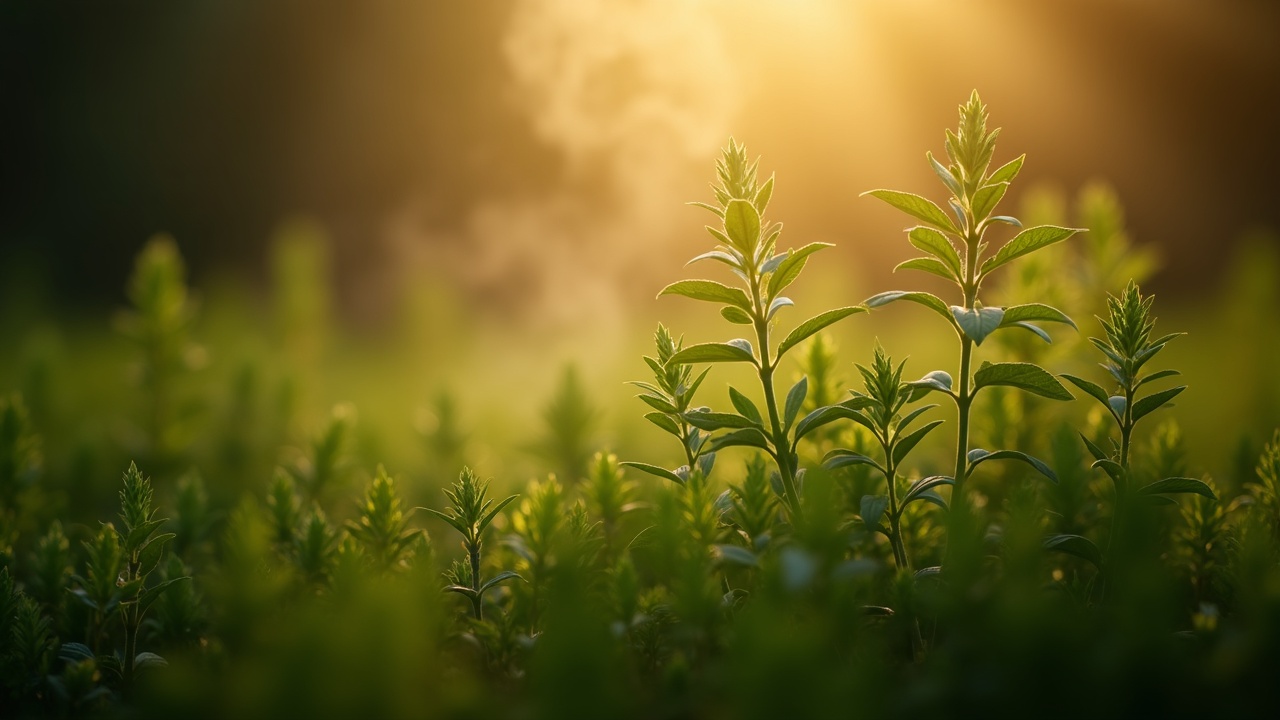
Historical and ethnographic sources describe steaming wormwood—placing fresh or dried plant material in hot water and allowing vapors to fill enclosed spaces.
Steaming and Aromatic Inhalation Practices (Historical & Observational)
This practice was used for several purposes:
- To release volatile compounds into the air
- As an aromatic fumigation
- In bathhouses, sickrooms, or seasonal rituals
Modern chemical understanding suggests steam volatilizes monoterpenes (camphor, thujone, borneol), creating a strong sensory experience without ingestion. Descriptions emphasize alertness, clarity, and air “purification” rather than direct physiological treatment.
These uses are discussed in historical and cultural contexts, not as medical interventions.
Parasite and Pest Context (Traditional Use Framing)
Wormwood has a long-standing reputation as a vermifuge in historical European, Middle Eastern, and Asian traditions. Sesquiterpene lactones and bitter compounds are documented to be antagonistic to many organisms, which historically informed its use against intestinal parasites in humans and animals.
Traditional Vermifuge Use: Modern Perspective
Modern literature frames these effects as biologically plausible but not standardized, emphasizing that historical use does not equate to approved treatment. Contemporary applications focus on external, agricultural, and environmental roles, and on studying mechanisms rather than recommending protocols.
Sensory and Functional Compound Overview
Compound balance varies significantly with climate, soil, harvest timing, and processing. The following table summarizes the primary bioactive constituents.
| Compound | Class | Notes |
|---|---|---|
| Thujone (α- & β-) | Monoterpene ketone | Neuroactive at high doses; tightly regulated in foods |
| Absinthin & anabsinthin | Sesquiterpene lactones | Extremely bitter; define wormwood’s taste profile |
| Camphor & borneol | Aromatic terpenes | Influence scent and volatility |
| Flavonoids & phenolics | Polyphenols | Contribute antioxidant and antimicrobial activity |
Thujone Safety and Regulation
Thujone content defines modern regulatory boundaries for wormwood-containing products. At elevated doses, thujone is neuroactive and potentially neurotoxic. Contemporary food and beverage regulations in the EU and US set strict limits on thujone concentrations in finished products, ensuring that properly prepared wormwood extracts, bitters, and spirits remain within safe consumption thresholds.
Culinary, Beverage, and Use Context
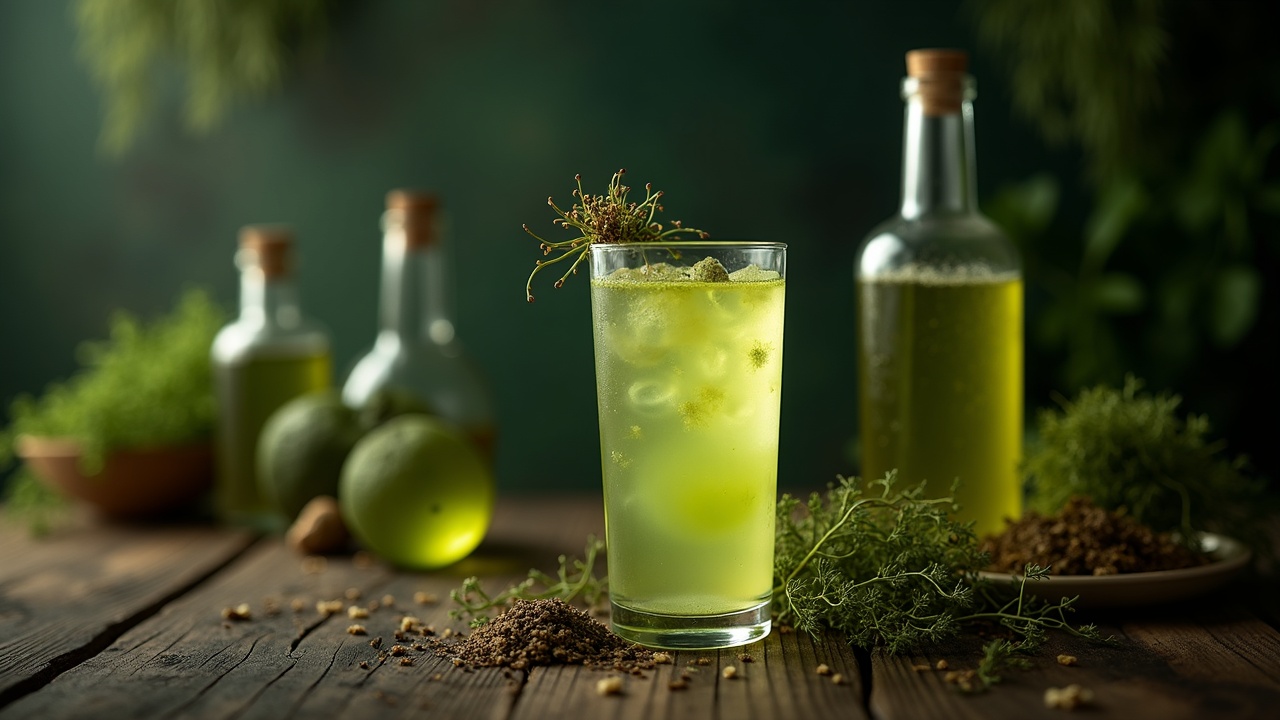
Wormwood is not a culinary herb in the conventional sense due to extreme bitterness. Small quantities are used historically in the following preparations:
Culinary, Beverage, and Use Context
- Bitters
- Liqueurs
- Aromatic blends
- Sachets and fumigations
Modern use prioritizes aromatic, symbolic, and external roles rather than routine ingestion.
Safety Boundaries and Modern Framework
Thujone content defines modern regulatory boundaries. Contemporary guidance emphasizes the following principles:
- Avoiding chronic or concentrated internal use
- Respecting dose sensitivity and preparation method
- Using wormwood primarily as an aromatic, historical, or external plant
Pregnant individuals and those with neurological conditions are traditionally advised caution in historical sources.
System Integration and Additional Considerations
Wormwood is valuable across multiple roles in low-input and traditional growing systems:
- A pest-deterrent plant
- A dryland perennial
- An aromatic companion species
- A historical teaching plant
It suppresses some neighboring plants through root exudates; spacing is important. Low-maintenance, long-lived, and resilient, it fits well into minimal-input systems.
Scientific and Authoritative References
This article is informed by data and conclusions drawn from, but not limited to:
- Rätsch, The Encyclopedia of Psychoactive Plants
- Duke, Handbook of Medicinal Herbs
- EMA Herbal Monograph: Artemisia absinthium
- EFSA opinions on thujone
- Abad et al., Journal of Ethnopharmacology
- Bora & Sharma, Phytochemistry Reviews
- Barnes et al., Herbal Medicines
- McGee, On Food and Cooking
- Grieve, A Modern Herbal
- Koul et al., Journal of Pest Management Science