Growing
Aloe Vera (Aloe barbadensis miller): The Desert Pharmacy on Your Windowsill
Complete aloe vera cultivation guide covering desert-adapted growing, gel vs. latex distinction, acemannan chemistry, topical wound care evidence.
On this page
Botanical Description
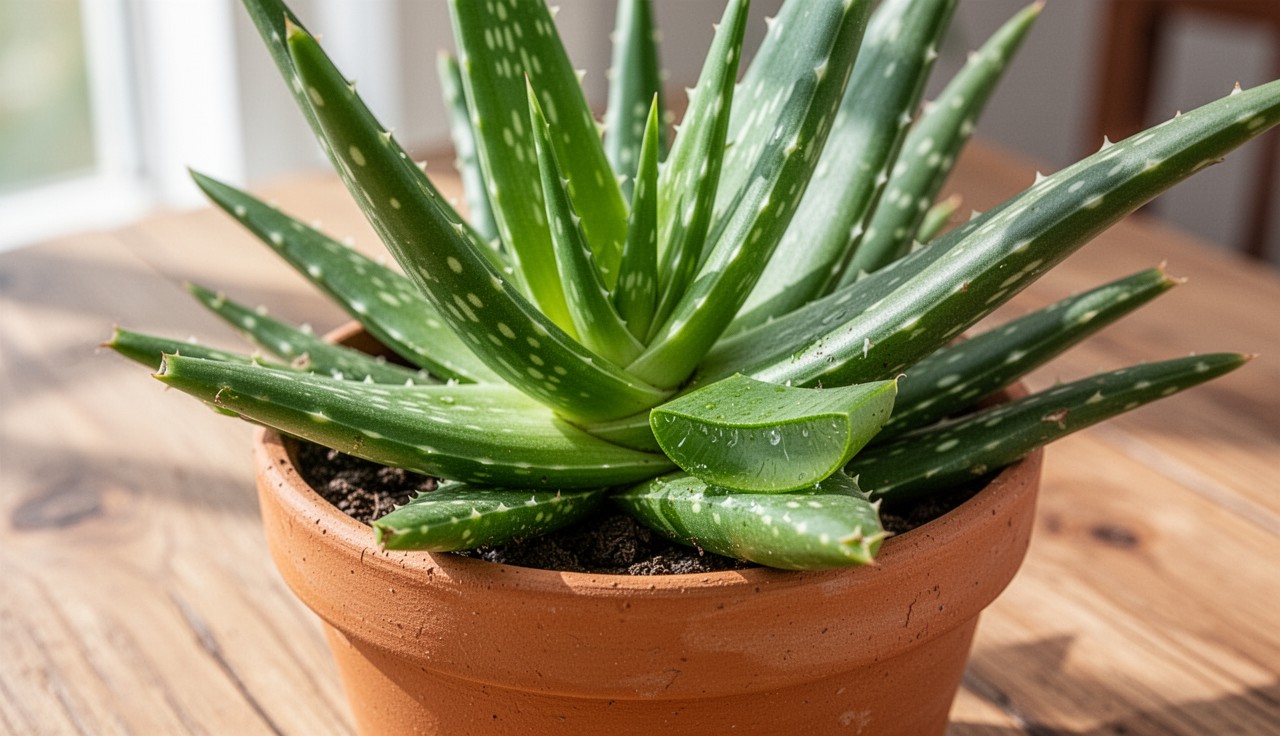
Aloe vera (Aloe barbadensis miller) is a stemless or short-stemmed succulent in the Asphodelaceae family, forming dense rosettes of thick, fleshy, lance-shaped leaves edged with soft spines. Mature plants reach 24–39 inches tall, and in ideal conditions produce a tall flower spike bearing tubular yellow or orange flowers that attract hummingbirds and bees.
The leaves are the plant’s functional core, serving as water storage organs that allow aloe to survive months of drought. Each leaf contains three distinct tissue layers: an outer green rind, a bitter yellow latex layer just beneath the rind, and the clear, mucilaginous inner gel that comprises the bulk of the leaf’s volume. The distinction between these layers is critically important for any use.
Gel vs. Latex: A Critical Distinction
The clear inner gel and the yellow latex layer contain very different compounds with very different effects. The gel is rich in polysaccharides (notably acemannan) and is the source of aloe’s soothing, wound-healing reputation. The latex contains anthraquinones (primarily aloin) which are potent laxatives that can cause cramping and electrolyte imbalance. When processing aloe at home, carefully fillet the gel away from the rind and latex layer. The yellow latex should be discarded unless you have specific expertise in its use.
Origin and History
Aloe vera is believed to originate from the Arabian Peninsula, though it has been cultivated so long that its precise wild origin is debated. The earliest recorded use appears in Sumerian clay tablets dating to approximately 2100 BCE. Egyptian papyri from 1550 BCE (the Ebers Papyrus) describe aloe preparations for skin infections and wound care.
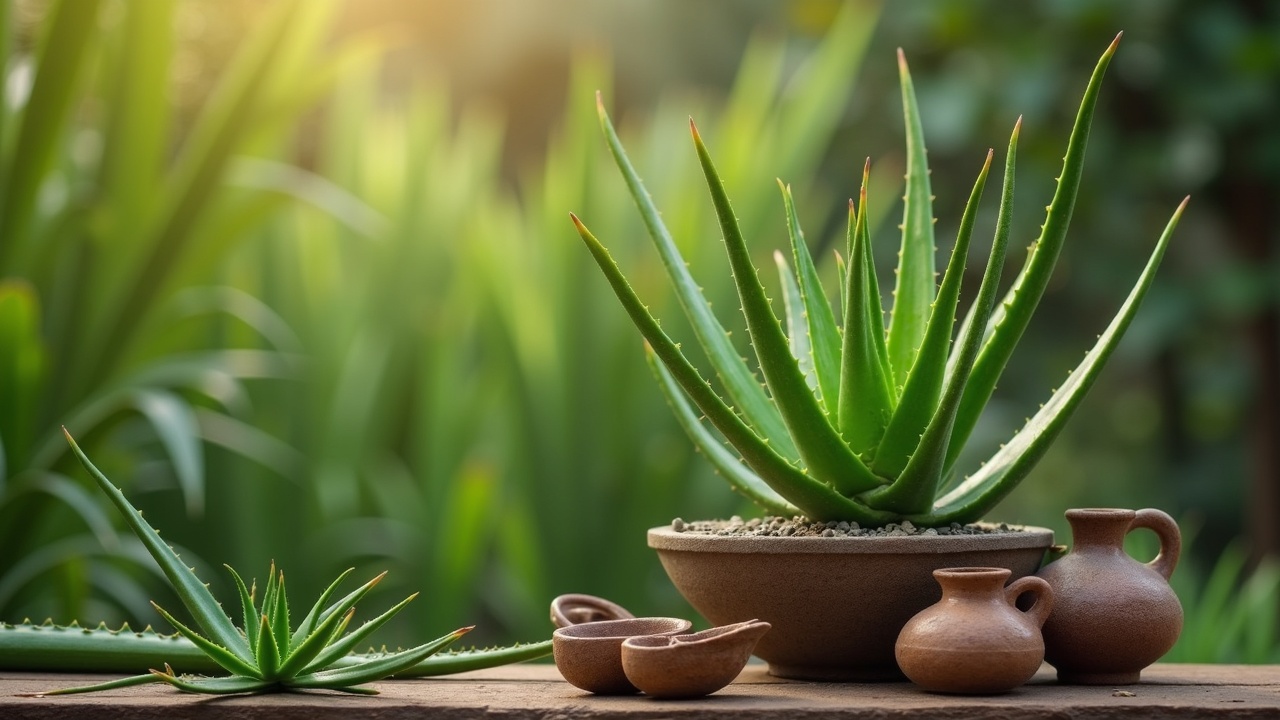
Cleopatra and Nefertiti reportedly used aloe in their beauty routines. Alexander the Great allegedly conquered the island of Socotra specifically to secure its aloe plantations for treating wounded soldiers. Spanish missionaries carried aloe to the New World, where it thrived in the warm climates of the Caribbean and Central America. By the 20th century, aloe gel had become one of the most widely used botanical ingredients in the cosmetics and personal care industry.
Climate and Growing Requirements
| Parameter | Range / Tolerance |
|---|---|
| USDA Hardiness Zones | 9b–12 (outdoor perennial); 4–9a (container/indoor) |
| Optimal Temperature | 55–85°F; growth stalls below 50°F |
| Light | Bright indirect to full sun; can sunburn in sudden intense exposure |
| Moisture | Very low; water deeply then allow soil to dry completely |
| Frost Tolerance | None; leaf tissue damages at 32°F, plant dies below 25°F |
| Humidity | Low preferred; susceptible to root rot in humid conditions |
In Texas Hill Country, aloe vera grows readily outdoors in sheltered south-facing locations with well-drained soil. Plants in the ground should be protected or brought indoors when hard freezes are forecast. Container cultivation allows the flexibility to move plants with the seasons, outdoor in summer, sheltered in winter.
Soil and Cultivation
| Factor | Details |
|---|---|
| Soil | Fast-draining cactus/succulent mix; 50% mineral (perlite, coarse sand, pumice), 50% organic |
| Container | Unglazed terracotta preferred (breathable); must have drainage holes |
| Propagation | Offsets (pups) from the mother plant; separate when 3–4 inches tall |
| Watering | Deep soak every 2–3 weeks in summer; monthly or less in winter |
| Fertilization | Minimal; diluted balanced fertilizer once in spring and once in summer |
| Repotting | Every 2–3 years when root-bound; or when pups crowd the pot |
The #1 Killer of Aloe Vera: Overwatering
More aloe plants die from too much water than from any other cause. The succulent leaves store months of water reserves. If the soil stays moist for more than a day or two, root rot sets in rapidly and is usually fatal. When in doubt, do not water. An underwatered aloe will look slightly thin and the leaves may curl inward. An overwatered aloe will have soft, mushy, translucent leaves, at which point recovery is difficult.
Harvesting and Gel Extraction
Leaf Selection
Harvest outer, mature leaves from the base of the rosette. These are the oldest and most gel-rich. Avoid harvesting more than one-third of the plant’s leaves at once. Use a clean, sharp knife to cut the leaf at the base close to the stem.
Gel Extraction Process
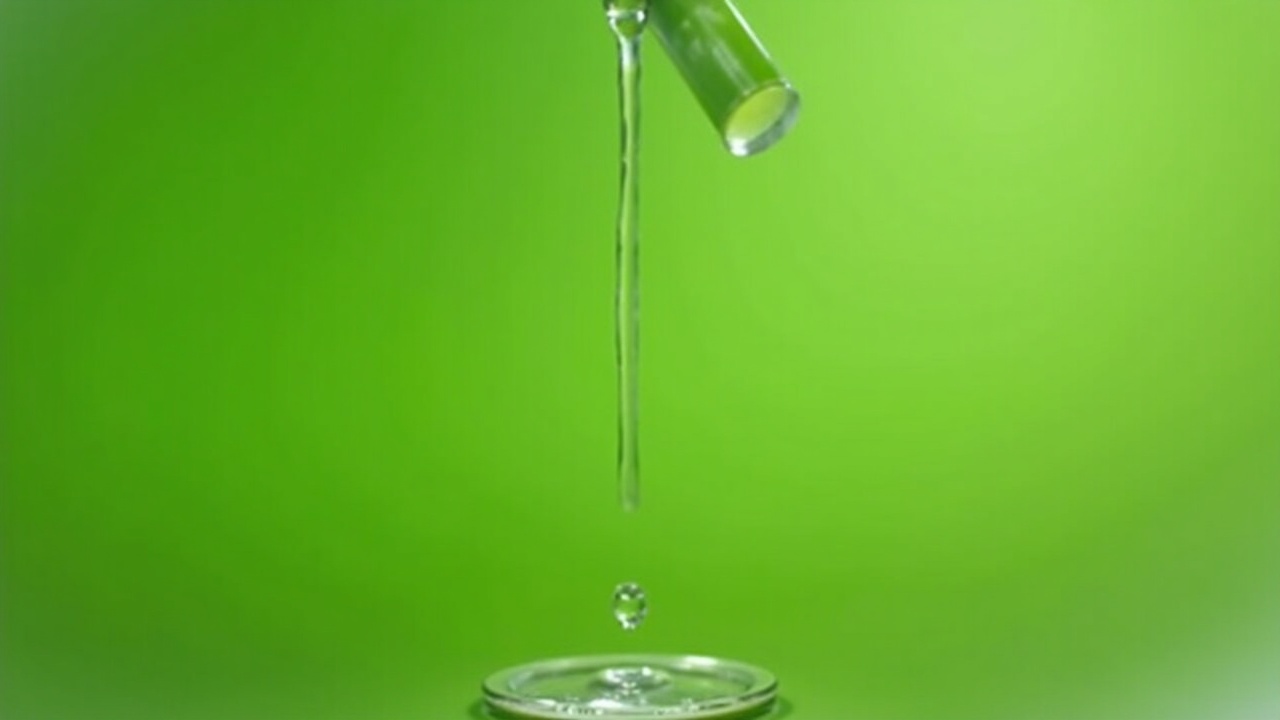
- Stand the cut leaf upright in a glass for 15–20 minutes to allow the yellow latex to drain from the cut end.
- Lay the leaf flat and trim the spined edges with a knife.
- Fillet the top green rind off in a single stroke, exposing the gel layer.
- Scoop or slice the clear gel away from the bottom rind, avoiding any yellow-green latex residue.
- Rinse the gel under cool water to remove any remaining latex.
Fresh gel oxidizes and loses potency quickly. Use immediately for topical application, or blend and freeze in ice cube trays for later use. For longer storage, blend gel with a small amount of vitamin C (ascorbic acid) as a preservative.
Phytochemical Profile
| Compound Class | Key Members (Gel) |
|---|---|
| Polysaccharides | Acemannan (acetylated mannan; primary bioactive), glucomannans |
| Glycoproteins | Aloctin A (anti-inflammatory), lectins |
| Vitamins | A, C, E, B12, folic acid, choline |
| Minerals | Calcium, magnesium, zinc, chromium, selenium |
| Enzymes | Bradykinase (reduces inflammation), lipase, cellulase |
| Phenolics (Latex) | Aloin A & B, aloe-emodin, barbaloin (laxative anthraquinones) |
Acemannan is the most researched compound in aloe gel and has demonstrated immunomodulatory, wound-healing, and antimicrobial properties in multiple research models. Its long-chain polysaccharide structure is similar to compounds found in medicinal mushrooms and is thought to interact with the immune system through similar mechanisms.
Evidence-Based Uses
- Minor burns and sunburn: The most well-established use. Multiple clinical studies support aloe gel for accelerating healing of first-degree and superficial second-degree burns, including radiation-induced skin reactions.
- Wound healing: Clinical evidence supports faster healing of surgical wounds, abrasions, and skin ulcers when aloe gel is applied topically, though results vary by wound type and severity.
- Skin hydration: The mucopolysaccharides in aloe gel form a moisture-retaining film on skin, providing humectant and emollient effects documented in dermatological studies.
- Oral mucositis: Evidence supports topical aloe for managing oral inflammation caused by radiation therapy and chemotherapy, though study quality varies.
What the Evidence Does Not Support
Despite extensive marketing claims, the evidence for oral aloe vera consumption for internal health conditions (diabetes, digestive disorders, immune enhancement) remains weak and inconsistent. Most positive findings are from small studies with methodological limitations. The topical evidence base is significantly stronger than the oral evidence base.
Precautions
- Latex ingestion: Aloe latex (aloin) is a potent stimulant laxative. The FDA banned aloe latex from OTC laxative products in 2002 due to safety concerns including potential carcinogenicity in long-term animal studies.
- Drug interactions: Oral aloe may interact with diabetes medications, heart medications (digoxin), diuretics, and laxatives.
- Allergic reactions: Topical aloe rarely causes contact dermatitis, but individuals allergic to garlic, onions, or tulips (Liliaceae family) may be more susceptible.
- Pregnancy: Oral aloe is contraindicated during pregnancy due to potential uterine-stimulating effects of anthraquinones.
References
- Maenthaisong et al., Burns (2007), systematic review of aloe vera for burn healing
- Dat et al., Cochrane Database of Systematic Reviews (2012), aloe vera for acute/chronic wounds
- Reynolds & Dweck, Journal of Ethnopharmacology, aloe vera leaf chemistry
- Hamman, Molecules (2008), composition and applications review
- FDA Final Rule on OTC Laxatives (2002), aloin safety assessment
- PFAF and USDA databases, cultivation and hardiness data
Common questions
What is botanical description?
Aloe vera ( Aloe barbadensis miller) is a stemless or short-stemmed succulent in the Asphodelaceae family, forming dense rosettes of thick, fleshy, lance-shaped leaves edged with soft spines. Mature plants reach 24–39 inches tall, and in ideal conditions produce a tall flower spike bearing tubular yellow or orange flowers that attract hummingbirds and bees. The leaves are the plant’s functional core, serving as water storage organs that allow aloe to survive months of drought.
What has aloe vera traditionally been used for?
Aloe vera is believed to originate from the Arabian Peninsula, though it has been cultivated so long that its precise wild origin is debated. The earliest recorded use appears in Sumerian clay tablets dating to approximately 2100 BCE. Egyptian papyri from 1550 BCE (the Ebers Papyrus) describe aloe preparations for skin infections and wound care. Cleopatra and Nefertiti reportedly used aloe in their beauty routines. Alexander the Great allegedly conquered the island of Socotra specifically to secure its aloe plantations for treating wounded soldiers.
What climate does aloe vera tolerate?
USDA Hardiness Zones: 9b–12 (outdoor perennial); 4–9a (container/indoor). Optimal Temperature: 55–85°F; growth stalls below 50°F. Light: Bright indirect to full sun; can sunburn in sudden intense exposure. Moisture: Very low; water deeply then allow soil to dry completely. Frost Tolerance: None; leaf tissue damages at 32°F, plant dies below 25°F.
What soil does aloe vera need?
Soil: Fast-draining cactus/succulent mix; 50% mineral (perlite, coarse sand, pumice), 50% organic. Container: Unglazed terracotta preferred (breathable); must have drainage holes. Propagation: Offsets (pups) from the mother plant; separate when 3–4 inches tall. Watering: Deep soak every 2–3 weeks in summer; monthly or less in winter. Fertilization: Minimal; diluted balanced fertilizer once in spring and once in summer.
When should I harvest aloe vera?
Harvest outer, mature leaves from the base of the rosette. These are the oldest and most gel-rich. Avoid harvesting more than one-third of the plant’s leaves at once. Use a clean, sharp knife to cut the leaf at the base close to the stem. Stand the cut leaf upright in a glass for 15–20 minutes to allow the yellow latex to drain from the cut end.
What is phytochemical profile?
Polysaccharides: Acemannan (acetylated mannan; primary bioactive), glucomannans. Glycoproteins: Aloctin A (anti-inflammatory), lectins. Vitamins: A, C, E, B12, folic acid, choline. Minerals: Calcium, magnesium, zinc, chromium, selenium. Enzymes: Bradykinase (reduces inflammation), lipase, cellulase.
What are evidence-based uses?
Minor burns and sunburn: The most well-established use. Multiple clinical studies support aloe gel for accelerating healing of first-degree and superficial second-degree burns, including radiation-induced skin reactions. Wound healing: Clinical evidence supports faster healing of surgical wounds, abrasions, and skin ulcers when aloe gel is applied topically, though results vary by wound type and severity. Skin hydration: The mucopolysaccharides in aloe gel form a moisture-retaining film on skin, providing humectant and emollient effects documented in dermatological studies.