plants
Apomorphine and Nuciferine: The Active Compounds in Blue Lotus
Understanding the alkaloids responsible for blue lotus's unique properties. A scientific look at apomorphine and nuciferine in Nymphaea caerulea.
The Chemistry of Blue Lotus
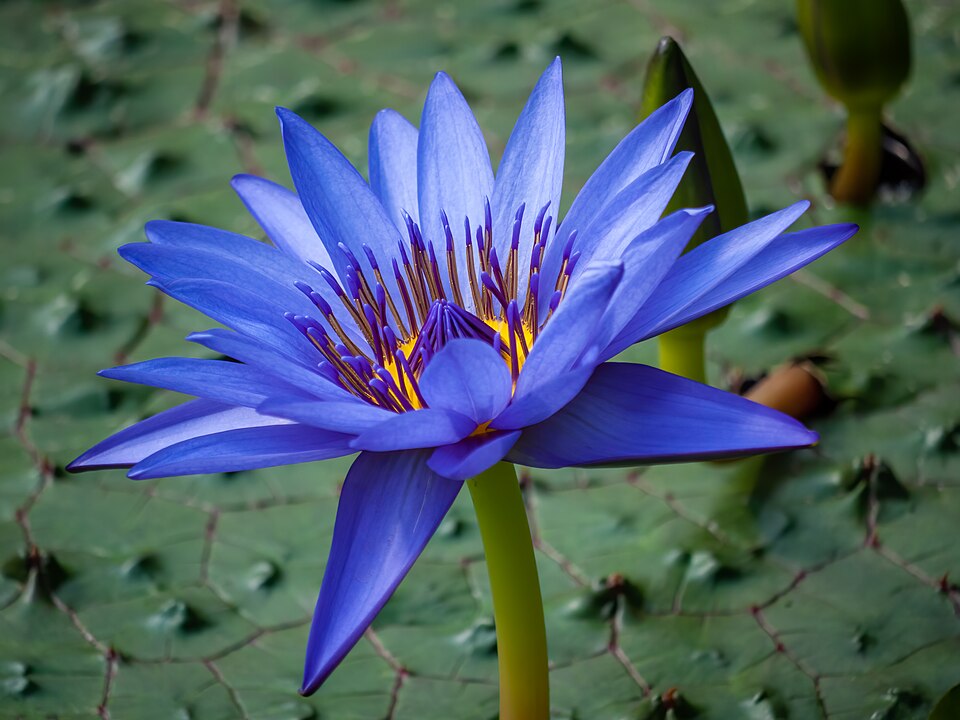
Blue lotus (Nymphaea caerulea) contains several bioactive compounds that have attracted scientific interest. While the flower has been used for millennia - as evidenced by its prominence in ancient Egyptian art and artifacts - modern chemistry has begun to identify the specific molecules responsible for its properties.
Two alkaloids stand out as the primary active constituents: apomorphine and nuciferine. Understanding these compounds helps explain what makes blue lotus unique among botanical products.
Apomorphine
Chemical Profile
- Chemical Class: Aporphine alkaloid
- Molecular Formula: C17H17NO2
- Structure: Derived from morphine but distinct in action
- Occurrence: Found in various plants including blue lotus
Pharmacological Interest
Apomorphine has been studied extensively in pharmacological research. It acts as a dopamine receptor agonist, meaning it can stimulate dopamine receptors in the brain. This mechanism has made synthetic apomorphine useful in certain medical applications.
In blue lotus, apomorphine occurs naturally alongside other compounds. The concentration varies depending on the plant part used, growing conditions, and extraction method.
Important Distinctions
Despite its name's similarity to morphine, apomorphine is structurally and functionally distinct. It does not interact with opioid receptors in the same way and has a completely different pharmacological profile. The naming convention reflects historical chemistry terminology rather than similar effects.
Nuciferine
Chemical Profile
- Chemical Class: Aporphine alkaloid
- Molecular Formula: C19H21NO2
- Structure: Methylated aporphine compound
- Occurrence: Found in lotus flowers (Nymphaea and Nelumbo species)
Research Findings
Nuciferine has been the subject of various research studies investigating its interactions with different receptor systems. Studies have explored its affinity for dopamine receptors, serotonin receptors, and other neurological targets.
Research suggests nuciferine may have multiple mechanisms of action, which could contribute to the complex effects traditionally associated with blue lotus. However, most studies have been conducted in laboratory settings, and more human research is needed.
Distribution in the Plant
Nuciferine is found throughout the blue lotus plant but is particularly concentrated in the flowers. The alkaloid content can vary significantly based on:
- Harvest timing (flower maturity)
- Growing conditions
- Processing and storage methods
- Plant variety
How These Compounds Work Together
Like many botanical products, blue lotus likely works through an "entourage effect" where multiple compounds work synergistically. The combined action of apomorphine, nuciferine, and other minor alkaloids may produce effects different from any single compound alone.
This complexity makes whole-plant preparations potentially different from isolated alkaloids. It also highlights the importance of quality sourcing and processing that preserves the natural compound profile.
The Importance of Testing
Because alkaloid content can vary significantly between blue lotus products, third-party lab testing is essential. Quality vendors should provide analysis showing the levels of key compounds like nuciferine in their products.
Blue Lotus Preparations
Different preparation methods affect which compounds are extracted and in what concentrations:
- Tea/Infusion: Water-based extraction; gentlest method
- Wine/Tincture: Alcohol extraction; may extract more alkaloids
- Resin/Extract: Concentrated preparation; higher alkaloid content
- Dried Flowers: Can be smoked or vaporized; direct inhalation
Safety Considerations
While blue lotus has a long history of traditional use, modern safety research is limited. Key considerations include:
- Start with small amounts when trying any new preparation
- Avoid combining with other substances, especially those affecting dopamine
- Consult a healthcare provider if you have any medical conditions
- Purchase only from vendors who provide lab testing
- Be aware that legal status varies by jurisdiction
Conclusion
Apomorphine and nuciferine represent the most studied active compounds in blue lotus. Their interactions with dopamine and other receptor systems help explain why this flower has been valued for millennia.
As scientific research continues, we may gain deeper understanding of how these alkaloids work individually and together. For now, the combination of ancient wisdom and modern chemistry offers a fascinating window into this remarkable plant.
Quality Assurance
Our blue lotus products are tested for alkaloid content, ensuring you know what you're getting. We believe transparency is essential, especially for botanicals with active compounds like these.