Growing
Citronella Grass (Cymbopogon nardus): Growing and Distilling the World’s Most Recognized Natural Mosquito Repellent
Complete citronella grass cultivation guide covering Cymbopogon nardus tropical grass growing, steam distillation for essential oil.
On this page
Botanical Description
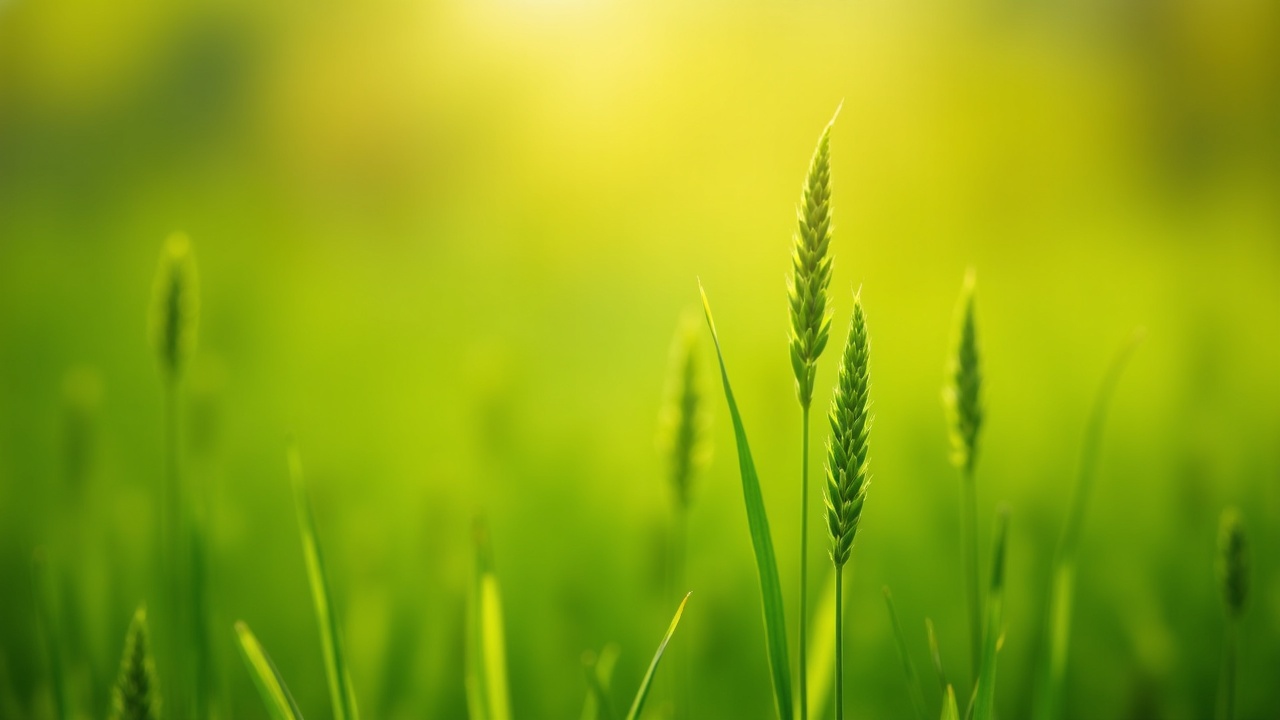
Citronella grass (Cymbopogon nardus, Ceylon type, and C. winterianus, Java type) is a clumping, perennial tropical grass in the Poaceae family, growing 4–6 feet tall in dense tussocks with long, arching, blue-green leaves that emit a strong lemony-citrus fragrance when crushed. The plant is closely related to lemongrass (C. citratus) and palmarosa (C. martinii), all members of the aromatic Cymbopogon genus that dominates the tropical grass essential oil industry.
Two commercial types are cultivated: the Ceylon type (C. nardus), which originated in Sri Lanka and produces a lighter oil with higher citronellal content, and the Java type (C. winterianus), which was developed in Indonesia and produces a heavier oil with higher citronellol and geraniol content. The Java type is now the dominant commercial source, accounting for approximately 80% of world citronella oil production.
The Plant vs. The Oil Misconception
One of the most persistent misconceptions in gardening is that planting citronella grass around your patio will repel mosquitoes. The living plant releases only trace amounts of volatile compounds into the surrounding air, nowhere near the concentration needed for repellent activity. The repellent effect comes from the distilled essential oil applied to skin or burned in candles, not from the plant growing nearby. Studies comparing mosquito landing rates near citronella plants vs. control areas consistently find no significant difference. The plant is still worth growing for distillation, cooking (the base is edible like lemongrass), and ornamental purposes, but it is not a passive mosquito deterrent.
Growing Requirements
| Parameter | Range / Tolerance |
|---|---|
| USDA Hardiness Zones | 9b–12 (perennial); annual or container plant in zones 7–9a |
| Light | Full sun (6+ hours); maximum oil production in intense light |
| Soil | Fertile, well-drained loam; pH 5.5–6.5; tolerates poor soil but oil yield drops |
| Moisture | Regular watering during growing season; drought-tolerant once established but stressed plants produce less oil |
| Temperature | Optimal 70–95°F; growth stops below 55°F; killed by hard frost |
| Spacing | 3–4 feet between clumps; plants spread by tillering |
| Propagation | Division of established clumps (easiest); seed is rarely available and slow |
| Fertilization | Heavy nitrogen feeder; regular compost or balanced fertilizer promotes leaf growth and oil yield |
In Central Texas (zone 8b–9a), citronella grass grows vigorously as a warm-season perennial that may die back in cold winters but regrows from the root crown in spring. Mulching the base heavily before first frost improves winter survival. In containers, it makes an excellent patio plant that can be overwintered indoors in a sunny location.
Essential Oil Chemistry
| Compound | Percentage (Java Type) |
|---|---|
| Citronellal | 30–45% (primary mosquito-repellent compound) |
| Geraniol | 20–25% (floral scent; repellent and antimicrobial) |
| Citronellol | 10–15% (rose-like scent; repellent activity) |
| Geranyl Acetate | 3–8% (fruity note; fixative) |
| Limonene | 2–5% (citrus note) |
| Elemol | 2–5% (sesquiterpene; woody base note; possible tick repellency) |
Small-Scale Distillation
Citronella is one of the easiest essential oils to produce at home using a basic steam distillation setup:
- Harvest timing: Cut leaves 4–6 inches above ground when plants are 6+ months old and actively growing. Morning harvest after dew evaporates gives highest oil content.
- Wilting: Allow cut grass to wilt for 24–48 hours to reduce water content and concentrate oil.
- Distillation: Pack wilted grass into steam distillation vessel; distill for 2–3 hours at steady steam rate. Oil floats on the hydrosol (floral water) in the separator.
- Yield: Expect 0.5–1.0% oil yield (5–10ml oil per kg of fresh grass). Commercial operations achieve higher yields with optimized varieties and conditions.
- Storage: Store oil in dark glass bottles; shelf life 2–3 years when kept cool and sealed.
Repellent Science
- EPA registration: Citronella oil has been registered as a biopesticide by the US EPA since 1948, making it one of the oldest registered natural repellents. It is classified as a minimum-risk pesticide.
- Effectiveness vs. DEET: Meta-analyses consistently show citronella oil provides mosquito repellency lasting 30–120 minutes per application, compared to 4–8+ hours for DEET. The short duration is due to the high volatility of citronellal, which evaporates rapidly from skin.
- Mechanism: Citronellal and geraniol are thought to mask the human scent cues (CO2, lactic acid, body odors) that attract mosquitoes, rather than actively repelling them. They may also stimulate the mosquito’s avoidance receptors (TRPA1 channels).
- Candles: Citronella candles are popular but studies show they reduce mosquito bites by only ~40% compared to unscented candles, and only within the immediate smoke plume. They are not a reliable sole protection method in high-mosquito-density environments.
- Encapsulation research: Current research focuses on microencapsulation and nanoemulsion technologies to extend citronella’s effective duration to 4+ hours, which would make it competitive with synthetic repellents for many use cases.
Other Uses
- Culinary: The base of citronella stalks can be used similarly to lemongrass in cooking, though the flavor is slightly more medicinal. Works in soups, curries, and teas.
- Aromatherapy: Citronella oil is widely used in diffusers, cleaning products, and personal care items.
- Industrial: Citronella oil is a starting material for the synthesis of hydroxycitronellal, a widely used fragrance chemical in perfumery.
Precautions
- Skin sensitivity: Undiluted citronella oil can cause contact dermatitis in sensitive individuals. Always dilute in carrier oil (2–5% concentration) before skin application.
- Infants: Not recommended for use on children under 6 months. Some countries restrict citronella use in children under 3 years.
- Pets: Citronella oil can be toxic to cats and dogs if ingested in concentrated form. Use with caution around pets.
- Not a substitute for DEET: In areas with mosquito-borne diseases (malaria, dengue, Zika), citronella alone does not provide adequate protection. Use EPA-registered repellents with proven long-duration efficacy.
References
- Maia & Moore, Malaria Journal (2011), plant-based insect repellents systematic review
- US EPA Biopesticide Registration Document, citronella oil (R.E.D. 1999)
- Gillij et al., Bioresource Technology (2008), Cymbopogon essential oil composition
- Kongkaew et al., International Journal of Molecular Sciences (2011), citronella repellency meta-analysis
- Wany et al., Journal of Pharmacognosy and Phytochemistry (2013), citronella cultivation and oil review
Common questions
What is botanical description?
Citronella grass ( Cymbopogon nardus , Ceylon type, and C. winterianus , Java type) is a clumping, perennial tropical grass in the Poaceae family, growing 4–6 feet tall in dense tussocks with long, arching, blue-green leaves that emit a strong lemony-citrus fragrance when crushed. The plant is closely related to lemongrass ( C. citratus ) and palmarosa ( C. martinii ), all members of the aromatic Cymbopogon genus that dominates the tropical grass essential oil industry.
How do I grow citronella grass?
USDA Hardiness Zones: 9b–12 (perennial); annual or container plant in zones 7–9a. Light: Full sun (6+ hours); maximum oil production in intense light. Soil: Fertile, well-drained loam; pH 5.5–6.5; tolerates poor soil but oil yield drops. Moisture: Regular watering during growing season; drought-tolerant once established but stressed plants produce less oil. Temperature: Optimal 70–95°F; growth stops below 55°F; killed by hard frost.
What is the active compound in citronella grass?
Citronellal: 30–45% (primary mosquito-repellent compound). Geraniol: 20–25% (floral scent; repellent and antimicrobial). Citronellol: 10–15% (rose-like scent; repellent activity). Geranyl Acetate: 3–8% (fruity note; fixative). Limonene: 2–5% (citrus note).
What is repellent science?
EPA registration: Citronella oil has been registered as a biopesticide by the US EPA since 1948, making it one of the oldest registered natural repellents. It is classified as a minimum-risk pesticide. DEET: Meta-analyses consistently show citronella oil provides mosquito repellency lasting 30–120 minutes per application, compared to 4–8+ hours for DEET. The short duration is due to the high volatility of citronellal, which evaporates rapidly from skin.
What are other uses?
Culinary: The base of citronella stalks can be used similarly to lemongrass in cooking, though the flavor is slightly more medicinal. Works in soups, curries, and teas. Aromatherapy: Citronella oil is widely used in diffusers, cleaning products, and personal care items. Industrial: Citronella oil is a starting material for the synthesis of hydroxycitronellal, a widely used fragrance chemical in perfumery.