Plants
Comfrey (Symphytum officinale / S. × uplandicum)
Grow and use comfrey (Symphytum officinale): botany, origin and history, plant morphology, climate and soil needs, and cultivation uses.
On this page
Botanical Description
Comfrey comprises several species and hybrids in the genus Symphytum (Boraginaceae). The two that matter: common comfrey (S. officinale) and Russian comfrey (S. × uplandicum), a natural hybrid between S. officinale and prickly comfrey (S. asperum). Russian comfrey, particularly the cultivar 'Bocking 14' selected by Lawrence Hills at the Henry Doubleday Research Association in the 1950s, is the standard for agricultural and permaculture use. It is sterile, no viable seed, which means it stays where you plant it and contains dramatically lower pyrrolizidine alkaloid levels in leaf tissue than the common species.
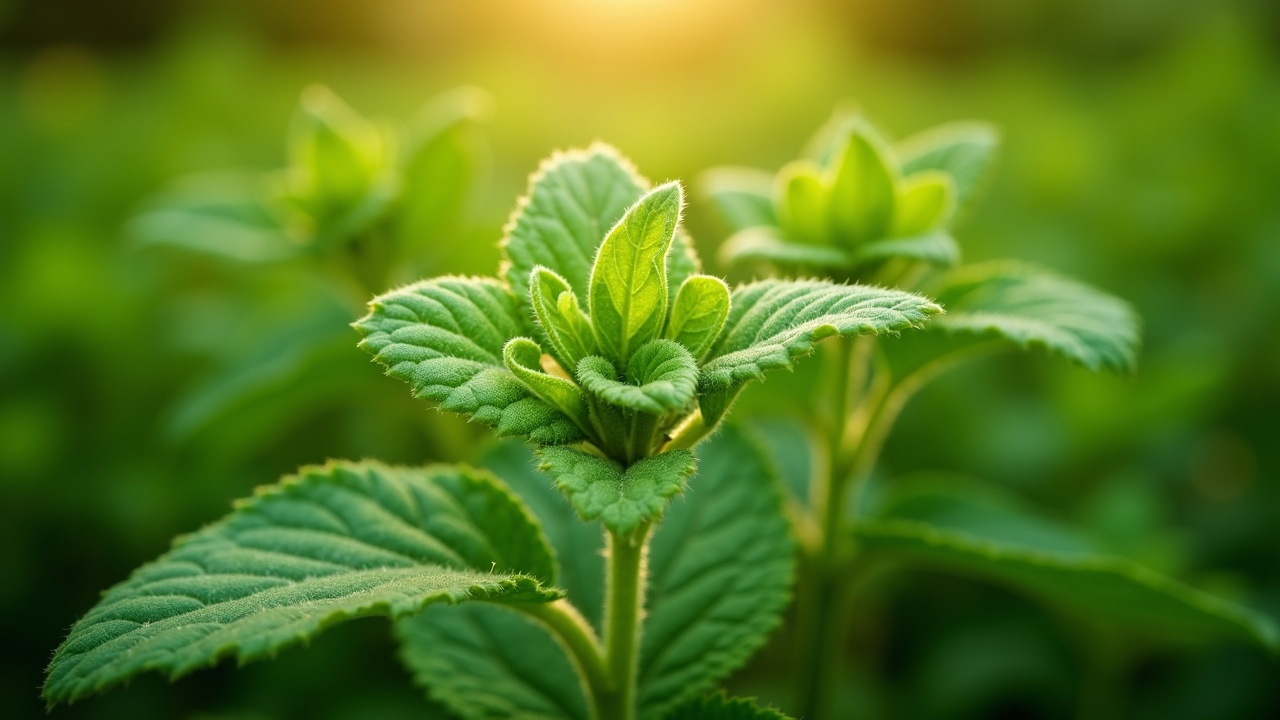
Both species are large, vigorous herbaceous perennials. Leaves are broadly lance-shaped, 12–24 inches long, rough-hairy, and arranged in a basal rosette with decurrent (winged) leaf bases running down the stem. Plants reach 2–4 feet tall and spread 2–3 feet wide. Tubular, bell-shaped flowers appear in coiled cymes, purple, blue, pink, or white depending on species and variety.
Origin and History
Common comfrey is native to Europe and western Asia, found along riverbanks, ditches, and moist meadows. It appears in Dioscorides' De Materia Medica (1st century CE) as a wound-healing and bone-setting plant. The medieval herbalist tradition used root poultices extensively for fractures, sprains, and wounds. The mechanism (allantoin-driven cell proliferation) was unknown, but the clinical observation was consistent enough to generate the common names "knitbone," "boneset," and "bruisewort" independently across multiple European languages.
Lawrence Hills introduced 'Bocking 14' in the 1950s after trialing over 20 comfrey cultivars at Bocking, Essex. He selected it specifically for high leaf yield, low PA content, and sterility. His work established comfrey as a legitimate agricultural input rather than just an herbal curiosity.
Plant Morphology
Root system is the defining feature. A mature comfrey plant sends a thick, black-skinned taproot 6–10 feet deep. This is not typical herbaceous root depth, it penetrates soil horizons that annual crops and most perennials never reach. Any root fragment longer than 2 inches can regenerate a full plant, which makes comfrey nearly impossible to eradicate once established and trivially easy to propagate.
Leaves are the harvest product. Large, rough, mucilaginous when crushed. They contain 15–25% protein on a dry-weight basis, higher than most forage crops, along with significant potassium (2–3% dry weight), calcium, phosphorus, and iron. Leaf growth is rapid: a healthy stand produces 4–5 cuttings per season in temperate climates.
Flowers attract pollinators heavily, particularly bumblebees. In 'Bocking 14,' flowers are present but produce no viable seed.
Climate Requirements
Zones 3–9. Comfrey tolerates hard freezes, summer heat, and everything between. It goes dormant in winter, dies back to the crown, and returns aggressively in spring. Optimal growth occurs at 15–25°C (59–77°F) with consistent moisture, but established plants survive drought by drawing on deep soil water through the taproot. Full sun produces maximum leaf biomass; partial shade (4–6 hours) is tolerated with reduced yield.
| Parameter | Range / Tolerance |
|---|---|
| USDA Hardiness Zones | 3–9 |
| Light | Full sun to partial shade |
| Temperature | 15–25°C (59–77°F) optimal; established plants tolerate hard freezes and summer heat |
| Soil | Deep, moisture-retentive, fertile loam; pH 6.0–7.5 |
| Moisture | Consistent moisture while establishing; drought-tolerant once the taproot reaches subsoil water |
| Spacing | 24–36 inches |
Soil and Fertility
Comfrey grows in nearly any soil. It performs best in deep, moist, fertile loam but establishes in clay, sand, or rocky ground. pH range 6.0–7.5. It does not need fertilizer. The deep taproot is itself a fertility engine, mining minerals from subsoil and depositing them in leaf tissue that decomposes at the surface.
Initial establishment benefits from compost or aged manure. After the first year, the plant feeds itself and feeds the soil around it. This is the dynamic accumulator principle: comfrey relocates nutrients from depth to the surface where other plants can access them.
Propagation
'Bocking 14' is propagated exclusively by root cuttings or crown division. It produces no viable seed. Cut 2–6 inch sections of root, plant horizontally 2–3 inches deep, 3 feet apart. Spring or fall planting. Nearly 100% take rate in moist soil. Mark where you plant them and consider the planting permanent. Removal requires excavating every root fragment.
S. officinale can be grown from seed (surface-sow, cold stratification improves germination) but seeds freely and can become invasive. For controlled production, 'Bocking 14' is the only responsible choice.
Growth Cycle and Harvest
First-year plants should not be cut. Let the root system establish. From year two onward, cut leaves to 2 inches above the crown when the plant reaches 18–24 inches tall. Three to five cuts per season in zones 5–8. Stop cutting 4–6 weeks before first frost to allow the plant to store energy for winter dormancy.
Yield: a mature 'Bocking 14' plant produces 4–5 pounds of fresh leaf biomass per cut. A 10-plant patch generates 150–250 pounds of green material per season. That is a significant volume of free, high-potassium organic matter.
Post-Harvest Handling
Fresh leaves wilt rapidly. For mulch or compost, apply immediately after cutting, no drying needed. For liquid fertilizer, pack fresh leaves into a container, weight them down, cover with water (or dry-ferment without water for a concentrate), and steep 3–6 weeks. The resulting liquid is diluted 1:10 (water steep) or 1:20 (concentrate) before application. It smells terrible. It works.
For medicinal preparations, wilt leaves for 24 hours to reduce moisture, then dry at low temperature (below 40°C / 104°F) to preserve allantoin content. Store dried leaf in airtight containers away from light. Shelf life: 12–18 months if properly dried.
Processing and Preservation
Poultice (External Use Only)
Bruise or blend fresh leaves into a paste. Apply directly to intact skin over bruises, sprains, muscle soreness, or minor joint inflammation. Cover with cloth. Remove after 1–4 hours. Do not apply to broken skin. Allantoin-driven rapid cell proliferation can seal surface tissue over an unhealed wound, trapping infection.
Oil Infusion (External Use Only)
Wilt leaves 24 hours, infuse in olive oil at low heat (40–50°C) for 4–6 hours or cold-infuse for 4–6 weeks. Strain. Use as a topical rub. Shelf life: 6–12 months with vitamin E added as antioxidant.
Comfrey Tea Fertilizer
Not for drinking. Pack a bucket with fresh leaves, cover with water, steep 3–6 weeks. Dilute 1:10 and apply to soil as liquid feed. NPK ratio approximately 0.5-0.3-4.0. The potassium content is exceptional. Use on tomatoes, peppers, fruiting crops, and potassium-hungry plants throughout the growing season.
Compost Activator
Layer fresh comfrey leaves into compost piles. High nitrogen content (C:N ratio ~9:1) accelerates decomposition. Also effective as a direct mulch around fruit trees and perennials, leaves break down within weeks and release nutrients at the soil surface.
Functional Compounds
Allantoin is the primary bioactive. It is a purine derivative that stimulates cell proliferation, promotes fibroblast activity, and accelerates epithelialization. Concentrations are highest in the root (0.6–0.8%) and significant in leaves (up to 0.3%). Allantoin is stable through drying but degrades with prolonged high heat.
Rosmarinic acid contributes anti-inflammatory and antioxidant activity. Present in leaves at meaningful concentrations.
Mucilage. High polysaccharide content gives crushed leaves a slippery, gel-like texture. This is the demulcent fraction, useful in topical preparations for skin soothing.
Pyrrolizidine alkaloids (PAs), the safety-limiting compounds. Symphytine, echimidine, and intermedine are the primary PAs. Concentrations are highest in roots, lower in leaves, and lowest in 'Bocking 14' leaves specifically. PAs are hepatotoxic with chronic oral exposure. They are not significantly absorbed through intact skin.
Safety and Use Boundaries
This is the section that matters most. PA toxicity is real, documented cases of veno-occlusive liver disease from chronic internal comfrey use exist in the medical literature. The response has been regulatory restriction on internal use in most countries.
Practical boundaries:
- External use only for most preparations. Poultices, oils, salves on intact skin.
- Never apply to open wounds. Allantoin-accelerated surface healing can trap infection underneath.
- Do not use internally without professional guidance and a confirmed low-PA cultivar.
- Cycle topical use. Two weeks on, two weeks off. Allantoin's proliferative effect is potent. Give tissue normal signaling intervals between applications.
- Root preparations carry higher PA load than leaf preparations. Leaf-only external use from 'Bocking 14' carries the lowest risk profile.
- Pregnant and nursing individuals should avoid all comfrey preparations as a precaution.
The German Commission E approved external comfrey leaf preparations for blunt injuries (bruises, sprains, muscle pain) with a usage limit of 4–6 weeks per year.
Ecological and System Integration
Comfrey is one of the most productive system plants available to temperate growers.
Nutrient cycling: Deep taproot mines subsoil potassium, calcium, phosphorus, and trace minerals. Chop-and-drop returns these to the surface. In food forest and permaculture systems, comfrey planted around fruit trees functions as a permanent, self-renewing fertilizer ring.
Pollinator support: Tubular flowers are heavily worked by bumblebees and other long-tongued pollinators. Bloom period extends 4–8 weeks in early-to-mid summer.
Livestock forage: Comfrey leaves have been fed to poultry, pigs, and rabbits historically. High protein (15–25% dry weight) and palatability make it a useful supplement. 'Bocking 14' leaf material is the appropriate cultivar for animal feed due to low PA content. Wilt leaves before feeding to reduce oxalic acid sharpness.
Erosion control: Dense root systems stabilize slopes and stream banks. Once established, comfrey holds soil aggressively.
Companion planting: Plant comfrey under fruit trees, along garden borders, or in dedicated nutrient-cycling beds. Keep 3 feet from annual vegetable rows. Comfrey's vigor can shade out smaller plants. It pairs well with fruit trees, berry bushes, and nitrogen-fixing shrubs.
References
1. Araújo LU, Grabe-Guimarães A, Mosqueira VC, Carneiro CM, Silva-Barcellos NM. 2010. Profile of wound healing process induced by allantoin. Acta Cirúrgica Brasileira. 25(5):460–466. doi:10.1590/S0102-86502010000500014
2. EFSA Panel on Contaminants in the Food Chain. 2011. Scientific opinion on pyrrolizidine alkaloids in food and feed. EFSA Journal. 9(11):2406. doi:10.2903/j.efsa.2011.2406
3. Frost R, MacPherson H, O'Meara S. 2013. A critical scoping review of external uses of comfrey (Symphytum spp.). Complementary Therapies in Medicine. 21(6):724–745. doi:10.1016/j.ctim.2013.09.009
4. Hills LJ. 1976. Comfrey: Past, Present, and Future. Faber & Faber, London.
5. Staiger C. 2012. Comfrey: a clinical overview. Phytotherapy Research. 26(10):1441–1448. doi:10.1002/ptr.4612
6. Rode D. 2002. Comfrey toxicity revisited. Trends in Pharmacological Sciences. 23(11):497–499. doi:10.1016/S0165-6147(02)02106-5
7. German Commission E Monograph. 1990. Symphyti herba (Comfrey herb). Bundesanzeiger Nr. 138.
Tags
- topic: comfrey, symphytum, allantoin, dynamic-accumulator, liquid-fertilizer, permaculture, wound-healing, pyrrolizidine-alkaloids
- type: cultivation-guide, educational, ethnobotany, safety-reference
- audience: home-growers, herbalists, permaculture-practitioners, market-gardeners
- plant-species: Symphytum officinale (common comfrey), S. × uplandicum (Russian comfrey), 'Bocking 14'
- zone: zones-3-9
Research on comfrey
Peer reviewed studies about comfrey, listed so you can read the original rather than take our word for it. They are background on the subject, not a source for any one sentence above.
- The efficacy and safety of comfrey (2000). doi:10.1017/s1368980000000586
- Comfrey: A Clinical Overview (2012). doi:10.1002/ptr.4612
- COMFREY HERB TEA AND HEPATIC VENO-OCCLUSIVE DISEASE (1989). doi:10.1016/s0140-6736(89)92154-5
- Comfrey toxicity revisited (2002). doi:10.1016/s0165-6147(02)02106-5
- Metabolism, Genotoxicity, annd Carcinogenicity of Comfrey (2010). doi:10.1080/10937404.2010.509013
Common questions
What is botanical description?
Comfrey comprises several species and hybrids in the genus Symphytum (Boraginaceae). The two that matter: common comfrey ( S. officinale ) and Russian comfrey ( S. × uplandicum ), a natural hybrid between S. officinale and prickly comfrey ( S.
What has comfrey traditionally been used for?
Common comfrey is native to Europe and western Asia, found along riverbanks, ditches, and moist meadows. It appears in Dioscorides' De Materia Medica (1st century CE) as a wound-healing and bone-setting plant. The medieval herbalist tradition used root poultices extensively for fractures, sprains, and wounds. The mechanism (allantoin-driven cell proliferation) was unknown, but the clinical observation was consistent enough to generate the common names "knitbone," "boneset," and "bruisewort" independently across multiple European languages.
What is plant morphology?
Root system is the defining feature. A mature comfrey plant sends a thick, black-skinned taproot 6–10 feet deep. This is not typical herbaceous root depth, it penetrates soil horizons that annual crops and most perennials never reach. Any root fragment longer than 2 inches can regenerate a full plant, which makes comfrey nearly impossible to eradicate once established and trivially easy to propagate. Leaves are the harvest product.
What climate does comfrey tolerate?
Comfrey tolerates hard freezes, summer heat, and everything between. It goes dormant in winter, dies back to the crown, and returns aggressively in spring. Optimal growth occurs at 15–25°C (59–77°F) with consistent moisture, but established plants survive drought by drawing on deep soil water through the taproot. Full sun produces maximum leaf biomass; partial shade (4–6 hours) is tolerated with reduced yield.
What soil does comfrey need?
Comfrey grows in nearly any soil. It performs best in deep, moist, fertile loam but establishes in clay, sand, or rocky ground. It does not need fertilizer. The deep taproot is itself a fertility engine, mining minerals from subsoil and depositing them in leaf tissue that decomposes at the surface. Initial establishment benefits from compost or aged manure.
How do I propagate comfrey?
'Bocking 14' is propagated exclusively by root cuttings or crown division. It produces no viable seed. Cut 2–6 inch sections of root, plant horizontally 2–3 inches deep, 3 feet apart. Nearly 100% take rate in moist soil. Mark where you plant them and consider the planting permanent.
When should I harvest comfrey?
First-year plants should not be cut. Let the root system establish. From year two onward, cut leaves to 2 inches above the crown when the plant reaches 18–24 inches tall. Three to five cuts per season in zones 5–8. Stop cutting 4–6 weeks before first frost to allow the plant to store energy for winter dormancy.
What can I make from comfrey?
Poultice (External Use Only). Bruise or blend fresh leaves into a paste. Apply directly to intact skin over bruises, sprains, muscle soreness, or minor joint inflammation. Do not apply to broken skin. Allantoin-driven rapid cell proliferation can seal surface tissue over an unhealed wound, trapping infection.
What is the active compound in comfrey?
Allantoin is the primary bioactive. It is a purine derivative that stimulates cell proliferation, promotes fibroblast activity, and accelerates epithelialization. Concentrations are highest in the root (0.6–0.8%) and significant in leaves (up to 0.3%). Allantoin is stable through drying but degrades with prolonged high heat. Rosmarinic acid contributes anti-inflammatory and antioxidant activity.
Is comfrey safe?
This is the section that matters most. PA toxicity is real, documented cases of veno-occlusive liver disease from chronic internal comfrey use exist in the medical literature. The response has been regulatory restriction on internal use in most countries. External use only for most preparations. Poultices, oils, salves on intact skin.