Growing
Damiana (Turnera diffusa): The Mayan Aphrodisiac That Became a Mexican Liqueur
Complete damiana cultivation guide covering Turnera diffusa botany, semi-tropical growing, apigenin and arbutin chemistry, Mayan aphrodisiac traditions.
On this page
Botanical Description
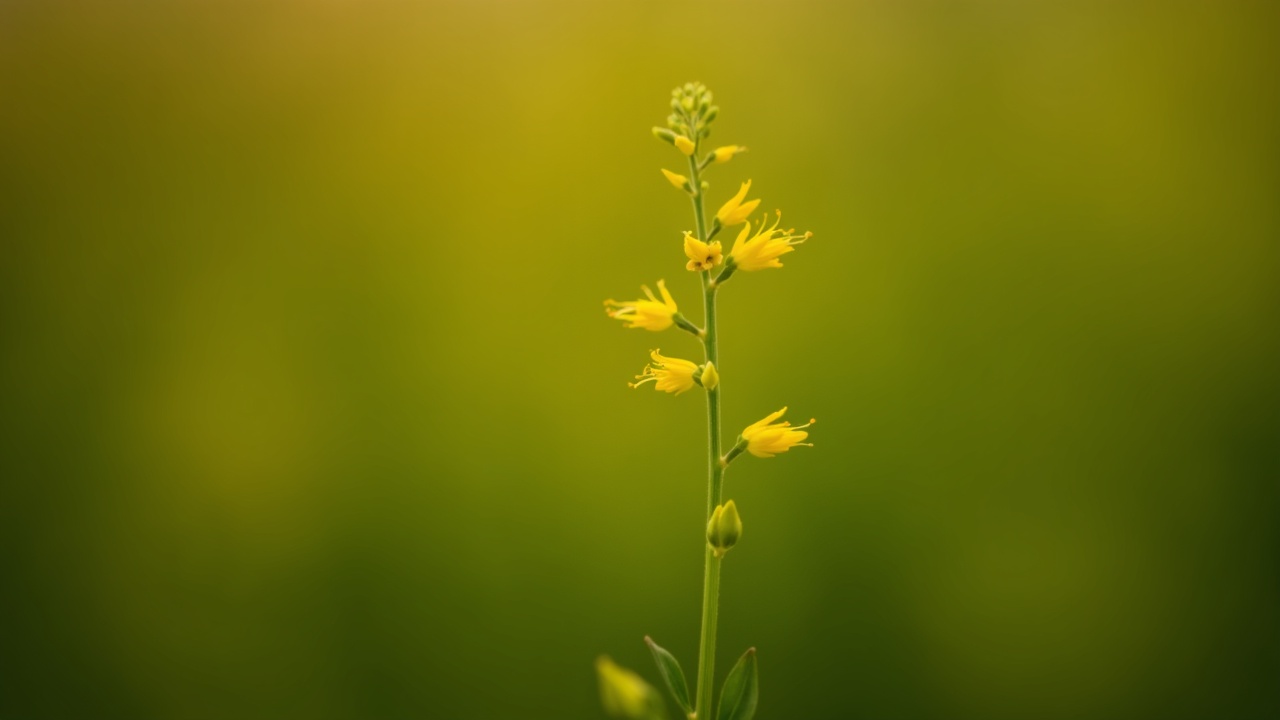
Damiana (Turnera diffusa) is a small, aromatic shrub in the Passifloraceae family (formerly Turneraceae), native to southern Texas, Mexico, Central America, the Caribbean, and South America. The plant grows 1–6 feet tall with small, serrated, aromatic leaves and fragrant yellow flowers. The leaves, when dried, release a complex, pleasant fragrance often described as a combination of chamomile, figs, and light spice.
Damiana grows wild in the limestone scrublands and rocky hills of the Rio Grande Valley, making it one of the few truly local ethnobotanical herbs for Texas growers. It is adapted to the same alkaline, rocky, semi-arid conditions found throughout the Hill Country and South Texas.
A Texas Native
Unlike most herbs in this guide, which originate in Asia, Europe, or the tropics, damiana is native to the lower Rio Grande region of Texas. It grows wild from the southern tip of Texas through Mexico and Central America. This makes it one of the most locally appropriate medicinal shrubs for Texas cultivation, already adapted to the soil, climate, and ecology of the region.
Growing Requirements
| Parameter | Range / Tolerance |
|---|---|
| USDA Hardiness Zones | 9–11 (perennial); 7–8 with winter protection or as annual |
| Light | Full sun to partial shade |
| Soil | Rocky, alkaline, well-drained; limestone-based ideal; pH 7.0–8.5 |
| Moisture | Low; drought-tolerant once established |
| Frost Tolerance | Moderate; survives brief freezes to ~25°F; mulch crown heavily |
| Propagation | Seed (slow germination; 30–60 days) or semi-hardwood cuttings |
Traditional Uses
Damiana has been used by Mayan and Aztec peoples for centuries, with traditional applications including:
- Aphrodisiac: The most famous traditional use. Mayan traditions describe damiana as an enhancer of sexual desire and function for both men and women.
- Digestive tonic: Used as a bitter digestive aid and appetite stimulant in Mexican folk medicine.
- Damiana liqueur: The herb is the primary botanical in the Mexican liqueur Licor de Damiana, sold in a distinctive female-figure bottle and used as a base for the original margarita recipe (according to some historians).
Phytochemistry
| Compound Class | Key Members |
|---|---|
| Flavonoids | Apigenin, acacetin, pinocembrin, gonzalitosin (unique to damiana) |
| Terpenoids | 1,8-cineole, alpha-pinene, beta-pinene, p-cymene |
| Phenolics | Arbutin (also found in bearberry; used in skin lightening) |
| Cyanogenic glycosides | Tetraphyllin B (minor; present at non-toxic levels in normal use) |
The presence of apigenin (the same GABA-modulating flavonoid found in chamomile) may partially explain damiana’s calming and anxiolytic effects. The combination of anxiolytic and mild euphoric activity could indirectly support its aphrodisiac reputation, as anxiety reduction is known to improve sexual function.
Research Status
- Aphrodisiac effects: Animal studies show increased sexual activity in sexually sluggish or exhausted male rats treated with damiana extract. Human clinical data is extremely limited, one small trial found improved sexual satisfaction in women using a multi-herb formula containing damiana, but the contribution of damiana alone is unclear.
- Anxiolytic: Animal studies demonstrate anxiolytic effects comparable to diazepam at certain doses. Human clinical trials are needed.
- Anti-obesity: A Swiss study found that a combination of yerba maté, guarana, and damiana delayed gastric emptying and reduced body weight in overweight adults, though damiana’s independent contribution was not established.
Precautions
- Blood sugar: May lower blood glucose levels; monitor if diabetic.
- Drug interactions: Limited data; theoretical interactions with diabetes medications and sedatives.
- Pregnancy: Traditionally avoided during pregnancy.
- Dose-dependent effects: Low doses tend to be stimulating; high doses may be sedating. Start with small amounts.
Extraction & Preparation
Damiana leaves contain a mix of volatile terpenoids, flavonoids, and arbutin-related glycosides. The active compounds are moderately volatile, which is why dried leaf preparations (tea, smoking blend) remain effective, but prolonged high heat degrades the aromatic fraction. Fresh or recently dried leaf is preferred over old stock.
Simple Home Methods
Damiana’s terpenoids are fat-soluble; the flavonoids and bitter glycosides are water- and ethanol-soluble. This plant rewards multiple preparation methods because different compound classes behave differently. Keep the cup covered while steeping. You lose the volatile aromatic fraction to steam otherwise.
Tea: Pour near-boiled water over 1–2 teaspoons of dried leaf in a cup, cover with a small plate, and steep 12–15 minutes. Strain. Flavor is distinctly aromatic and slightly bitter. Drink 1–2 cups daily.
Mason jar tincture: Fill a jar halfway with dried leaf, top with 80-proof vodka or Everclear diluted to 60%, seal, and leave in a dark cabinet 3–4 weeks. Shake every couple of days. Strain through cheesecloth and press the herb firmly. Dose: 2–3 mL in water, 1–2 times daily.
Oil infusion (MCT or olive oil): Fill a mason jar with dried damiana leaf, cover completely with MCT oil or olive oil. Leave the sealed jar in a warm spot (on top of a water heater, or a sunny windowsill) for 4–6 weeks. The terpenoid fraction extracts readily into oil at room temperature. Strain through cheesecloth and press firmly. Use as a topical or take 1 teaspoon orally. For a faster infusion, place the jar in a pot of warm water (not boiling) for 4–6 hours, keeping temperature around 140°F.
Fermentation: Damiana wine is a traditional Mexican preparation. Combine 1 ounce of dried damiana leaf with 1 gallon of water, 2 pounds of sugar or honey, and a packet of wine yeast in a fermentation vessel. Seal with an airlock and ferment at room temperature for 2–3 weeks until bubbling stops. Rack, clarify, and bottle. The resulting preparation combines alcohol extraction with fermentation byproducts and is the basis of the commercial Damiana liqueur sold in the famous lady-shaped bottle.
Dry ice separation: Place dried damiana leaf in a fine mesh paint strainer bag (73–100 micron mesh if available, otherwise a standard fine nylon bag). Add dry ice, seal, and shake vigorously over a clean glass surface for 2–3 minutes. The cold makes the aromatic trichomes brittle; they break off and fall through the mesh onto the glass. Collect the powdered resin that accumulates. This is a concentrated aromatic extract. Use in very small quantities.
Leaf Infusion (Tea)
Steep 1–2 grams of dried damiana leaf per cup of near-boiling water for 10–15 minutes covered. Covering the vessel retains the volatile terpenoid fraction that otherwise escapes as steam. Strain and drink. Flavor is distinctly aromatic, slightly bitter, and herbaceous. This is the most accessible preparation and the one used historically across Mexico and Central America.
Ethanol Tincture
40–60% ethanol extracts the flavonoids and aromatic fraction efficiently. Macerate dried leaf at 1:5 ratio for 3–4 weeks. The glycoside arbutin and apigenin are both well-extracted in this range. Dose: 2–4 mL, 1–3 times daily. Higher ethanol concentrations (70%+) preferentially extract the aromatic terpenoids but reduce polar compound yield.
Smoked Preparation
Damiana leaf has a long tradition as a smoking herb, often blended with other botanicals. When smoked, the volatile terpenoid fraction is delivered directly. This is the fastest onset preparation. The effect is mild and short-duration, primarily a calming, mildly euphoric quality distinct from the systemic tonic effect of oral preparations.
Product Use
Oral preparations (tea and tincture) are used as a mild nervine tonic, digestive bitter, and mood elevator. The traditional Mexican use was as an aphrodisiac and reproductive tonic, modern phytochemical analysis supports the aromatase-inhibiting and phosphodiesterase-inhibiting properties that could underlie these effects. Not for prolonged daily use at high doses, arbutin converts to hydroquinone in the gut, which accumulates with excessive use.
References
- Arletti et al., Psychopharmacology (1999), sexual behavior in rats
- Andersen & Fogh, Journal of Human Nutrition and Dietetics (2001), weight management combination study
- Szewczyk & Zidorn, Journal of Ethnopharmacology, phytochemistry review
- Kumar & Sharma, International Journal of Pharmacognosy, pharmacological activities review
- USDA PLANTS Database, Turnera diffusa native range
Common questions
What is botanical description?
Damiana ( Turnera diffusa ) is a small, aromatic shrub in the Passifloraceae family (formerly Turneraceae), native to southern Texas, Mexico, Central America, the Caribbean, and South America. The plant grows 1–6 feet tall with small, serrated, aromatic leaves and fragrant yellow flowers. The leaves, when dried, release a complex, pleasant fragrance often described as a combination of chamomile, figs, and light spice. Damiana grows wild in the limestone scrublands and rocky hills of the Rio Grande Valley, making it one of the few truly local ethnobotanical herbs for Texas growers.
How do I grow damiana?
USDA Hardiness Zones: 9–11 (perennial); 7–8 with winter protection or as annual. Light: Full sun to partial shade. Soil: Rocky, alkaline, well-drained; limestone-based ideal; pH 7.0–8.5. Moisture: Low; drought-tolerant once established. Frost Tolerance: Moderate; survives brief freezes to ~25°F; mulch crown heavily.
What has damiana traditionally been used for?
Damiana has been used by Mayan and Aztec peoples for centuries, with traditional applications including:. Aphrodisiac: The most famous traditional use. Mayan traditions describe damiana as an enhancer of sexual desire and function for both men and women. Digestive tonic: Used as a bitter digestive aid and appetite stimulant in Mexican folk medicine. Damiana liqueur: The herb is the primary botanical in the Mexican liqueur Licor de Damiana , sold in a distinctive female-figure bottle and used as a base for the original margarita recipe (according to some historians).
What are research status?
Aphrodisiac effects: Animal studies show increased sexual activity in sexually sluggish or exhausted male rats treated with damiana extract. Human clinical data is extremely limited, one small trial found improved sexual satisfaction in women using a multi-herb formula containing damiana, but the contribution of damiana alone is unclear. Anxiolytic: Animal studies demonstrate anxiolytic effects comparable to diazepam at certain doses. Human clinical trials are needed.
What can I make from damiana?
Damiana leaves contain a mix of volatile terpenoids, flavonoids, and arbutin-related glycosides. The active compounds are moderately volatile, which is why dried leaf preparations (tea, smoking blend) remain effective, but prolonged high heat degrades the aromatic fraction. Fresh or recently dried leaf is preferred over old stock. Damiana’s terpenoids are fat-soluble; the flavonoids and bitter glycosides are water- and ethanol-soluble. This plant rewards multiple preparation methods because different compound classes behave differently.