guides
Davis Mountains Yucca (Yucca pallida): Comprehensive Cultivation, Processing, and Surfactant-Use Guide
Complete guide to Davis Mountains yucca cultivation covering Yucca pallida botany, steroidal saponin chemistry, climate adaptation, propagation.
Botanical Description and Modern Scientific Context
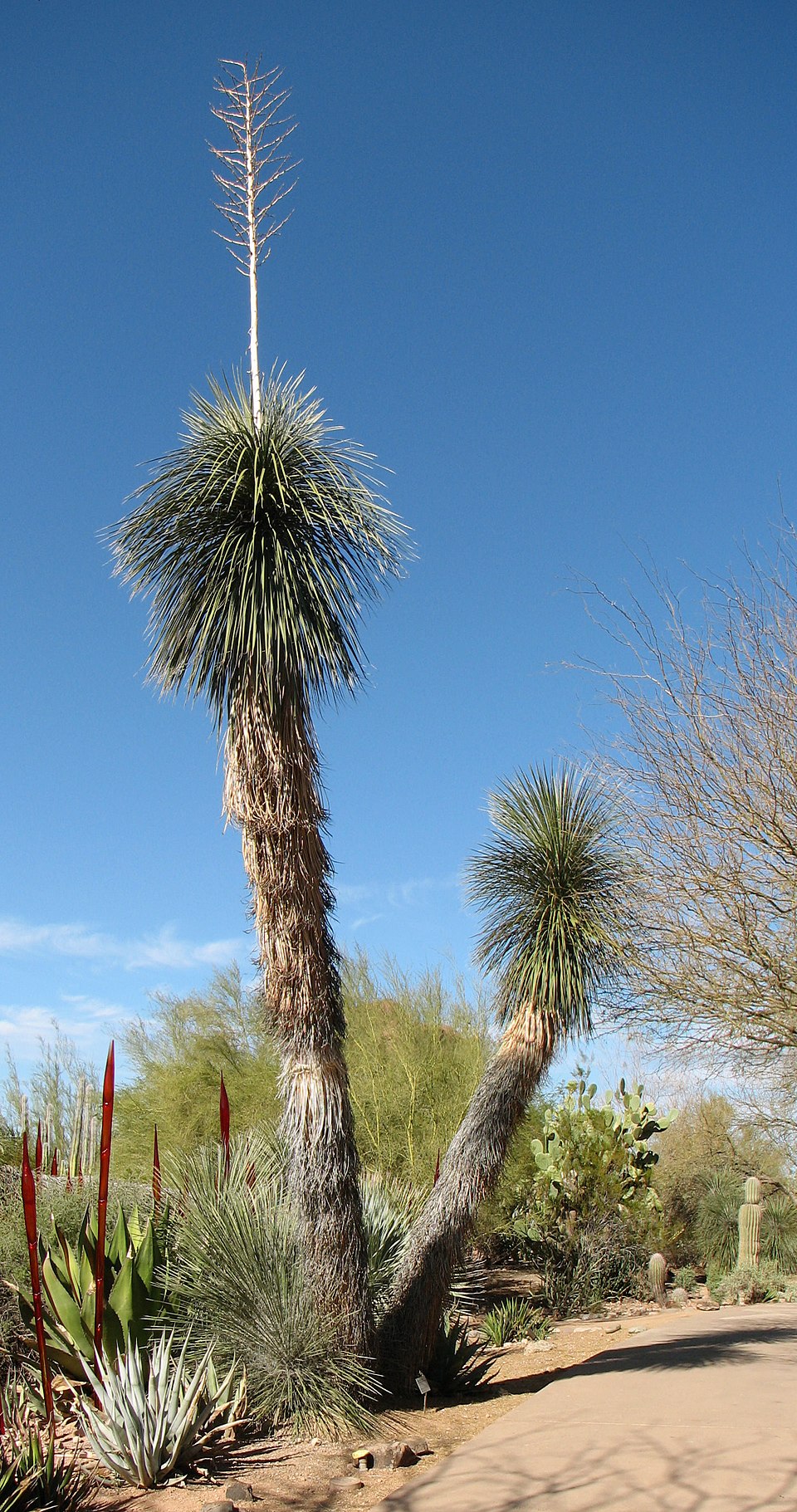
Davis Mountains yucca, botanically Yucca pallida, is a compact, clump-forming, evergreen yucca native to the Davis Mountains of West Texas. It forms symmetrical rosettes 1.5–3 feet (45–90 cm) wide with narrow, twisting, blue-gray leaves edged in pale margins and fine filaments. The overall form is architectural but restrained compared to larger trunking yuccas.
The species produces tall flower stalks (up to 6–8 ft / 1.8–2.4 m) bearing creamy white, bell-shaped flowers in late spring to early summer. Like other yuccas, it has a tight evolutionary relationship with yucca moths, though clonal persistence allows populations to remain stable even with irregular seed set.
Saponin Chemistry Context
In modern plant chemistry and industrial botany literature, Yucca species—including Y. pallida by genus association—are discussed for steroidal saponins, naturally occurring non-ionic surfactants concentrated primarily in roots and lower trunks. These compounds are valued for their foaming, emulsifying, and wetting properties, not for nutritive value.
Origin, Ecology, and Regional Significance
Yucca pallida is endemic to Texas, occurring naturally on limestone and igneous soils, rocky slopes, canyon walls, and open grasslands of the Davis Mountains and surrounding Trans-Pecos region.
The species evolved under conditions of high solar radiation, large diurnal temperature swings, low and erratic rainfall, and mineral-rich, shallow soils.
Ecological Importance
- A drought-persistent perennial capable of surviving prolonged dry periods
- A nectar source for insects and native pollinators
- A stabilizer of rocky, erosion-prone sites
Growth Habit, Root Architecture, and Longevity
Davis Mountains yucca is a non-trunking or short-stemmed yucca, expanding slowly via basal offsets. Individual plants commonly persist 50+ years, with clumps slowly enlarging over decades.
Root System Characteristics
- Thick, fibrous, and penetrating
- Adapted for rapid water uptake after rainfall events
- High storage capacity for carbohydrates and secondary metabolites
Climate Adaptation and Environmental Requirements
Yucca pallida is well suited to USDA hardiness zones 7–10, performing exceptionally well in West Texas, high desert, and limestone hill systems.
| Parameter | Optimal Range |
|---|---|
| Temperature Tolerance | –15 to 40°C (5–104°F) |
| Cold Tolerance | Excellent once established |
| Sun Exposure | Full sun to light shade |
| Humidity Preference | Low |
| Annual Rainfall | 10–25 inches (250–635 mm) |
Soil Preferences and Fertility Dynamics
Yucca pallida prefers lean, mineral soils with excellent drainage. Excess fertility reduces plant longevity and structural integrity.
| Parameter | Ideal Condition |
|---|---|
| Texture | Rocky, sandy loam, gravelly |
| pH | 7.0–8.5 (highly alkaline tolerant) |
| Organic Matter | Low |
| Drainage | Critical; intolerant of saturation |
Drainage Is Non-Negotiable
Yucca pallida is highly intolerant of saturated soils. In cultivation, raised beds, rocky substrates, or amended mineral soils are essential to prevent root rot and ensure long-term plant health.
Propagation, Establishment, and Growing Systems
Propagation Methods
- Basal offsets: Most reliable method for maintaining genetic consistency
- Seed: Slow and variable; pollinator-dependent germination
Establishment Notes
- Slow first-year growth as root systems develop
- Extremely drought tolerant once rooted
- Minimal maintenance after establishment
Common Growing Systems
- Native xeriscapes
- Rock gardens
- Regenerative dryland systems
- Erosion control plantings
- Botanical and ethnobotanical gardens
Growth Cycle and Flowering
Vegetative growth in Yucca pallida is slow and steady, reflecting its adaptation to resource-limited environments.
Flowering Characteristics
- Occurs in late spring or early summer
- Not annual; depends on stored energy reserves and rainfall patterns
- Flower stalk dies back after seed set
- Flowering does not kill the rosette (unlike some agaves)
Yucca vs. Agave Flowering
Unlike many agave species that are monocarpic (dying after flowering), Yucca pallida rosettes persist after blooming. The flower stalk is sacrificed, but the parent plant and its offsets continue growing, making it a true perennial in the landscape.
Harvest Context and Plant Part Use
Yucca pallida is not grown for food. Harvest discussions are descriptive and ethnobotanical, as modern cultivation emphasizes conservation and controlled extraction.
| Plant Part | Relevance |
|---|---|
| Roots | Highest saponin concentration |
| Lower Stem Tissues | Secondary saponin source |
| Leaves | Minor saponins, high fiber (not typically used) |
Saponins and Natural Surfactant Chemistry
Yucca saponins are steroidal glycosides composed of a hydrophobic aglycone (sapogenin) bonded to one or more hydrophilic sugar chains. This dual structure gives them surfactant properties with significant practical applications.
Surfactant Properties
- Reduce surface tension in aqueous solutions
- Create stable foam
- Act as emulsifiers between oil and water phases
- Improve wetting and penetration of substrates
Industrial Characterization
In research and industry, yucca-derived saponins are described as:
- Biodegradable: Break down naturally in the environment
- Non-ionic: Electrically neutral surfactant behavior
- Low environmental persistence: Minimal ecological footprint
- Effective at very low concentrations: High activity per unit mass
Traditional and Modern Surfactant Uses
Agricultural & Horticultural Context
Yucca extracts are widely used in agriculture and horticulture as functional additives:
- Soil wetting agents for improved water distribution
- Irrigation penetration enhancers for compacted soils
- Additives that improve nutrient distribution in the root zone
- Natural spreaders for foliar applications
Industrial & Household Context
Historically, yucca roots were used directly as natural soaps, shampoos, textile and fiber cleaners, and wool and hide washing agents.
Modern industrial uses by genus association include:
- Cosmetic foaming agents
- Beverage foam stabilizers
- Livestock feed additives (non-nutritive, functional)
- Biopesticide and adjuvant formulations
Extraction and Processing Context
Saponins are typically extracted via aqueous or hydroalcoholic extraction, controlled heating, and subsequent filtration and concentration.
Industrial Processing Focus
- Preserving the steroidal backbone during extraction
- Removing insoluble fibers for product clarity
- Standardizing saponin content for consistent performance
Historical At-Home Methods
- Crushing roots in water to produce foam
- Using the liquid directly as a cleanser
Modern Extraction Standards
Modern literature emphasizes controlled extraction environments to ensure consistency and safety. Standardized saponin content is critical for both agricultural adjuvant products and cosmetic formulations where predictable surfactant activity is required.
Ecological and System Integration
Davis Mountains yucca provides multiple ecosystem services that make it valuable beyond its chemical constituents.
Ecosystem Benefits
- Extreme drought resilience in water-limited landscapes
- Long-term soil stabilization on slopes and rocky terrain
- Wildlife shelter for ground-nesting species and invertebrates
- Pollinator support through nectar-rich flowering events
Compatible Systems
- Regenerative dryland systems
- Native grasslands and prairie restorations
- Silvopasture edges and buffer plantings
- Minimal-input landscapes and low-water gardens
Safety, Use Boundaries, and Considerations
Yucca saponins are biologically active compounds that require informed handling and application.
- Taste: Bitter, reflecting high saponin concentration
- Hemolytic activity: Present at high concentrations; saponins are not treated as food compounds
- Internal use: Not a traditional role of Y. pallida
- Skin contact: Handling roots may cause irritation in sensitive individuals
Important: Not a Food Plant
Yucca pallida is valued for its surfactant chemistry, not for nutritional or dietary use. Saponins are hemolytic at elevated concentrations and are classified as functional industrial and agricultural compounds, not food-grade ingredients.
Cultural and Educational Importance
Davis Mountains yucca is a key teaching species that exemplifies how secondary plant metabolites can drive value independent of calories or yield.
Educational Applications
- Desert plant chemistry and adaptation strategies
- Natural surfactant systems and non-ionic foaming agents
- Texas endemic flora and regional biodiversity
- Long-lived perennial design for sustainable landscapes
- Ethnobotany of non-food plants and industrial botany
Scientific and Authoritative References
This article is informed by data and conclusions drawn from, but not limited to:
- Hostettmann & Marston, Saponins
- Cheeke, Biological Effects of Feed and Forage Saponins
- USDA NRCS Plant Guide: Yucca pallida
- Flora of North America, Agavoideae
- Duke, Handbook of Medicinal Herbs (yucca genus chemistry)
- FAO reports on yucca extract applications
- Francis et al., British Journal of Nutrition (saponin function)
- Texas Parks & Wildlife Native Plant Resources
- Wink, Modes of Action of Plant Secondary Metabolites
- Missouri Botanical Garden & Lady Bird Johnson Wildflower Center profiles