guides
Detroit Red Beet (Beta vulgaris ‘Detroit Dark Red’): Comprehensive Cultivation, Processing, and Use Guide
Complete guide to Detroit Dark Red beet cultivation covering growing parameters, soil requirements, harvest optimization, post-harvest storage.
Botanical Description and Modern Scientific Context
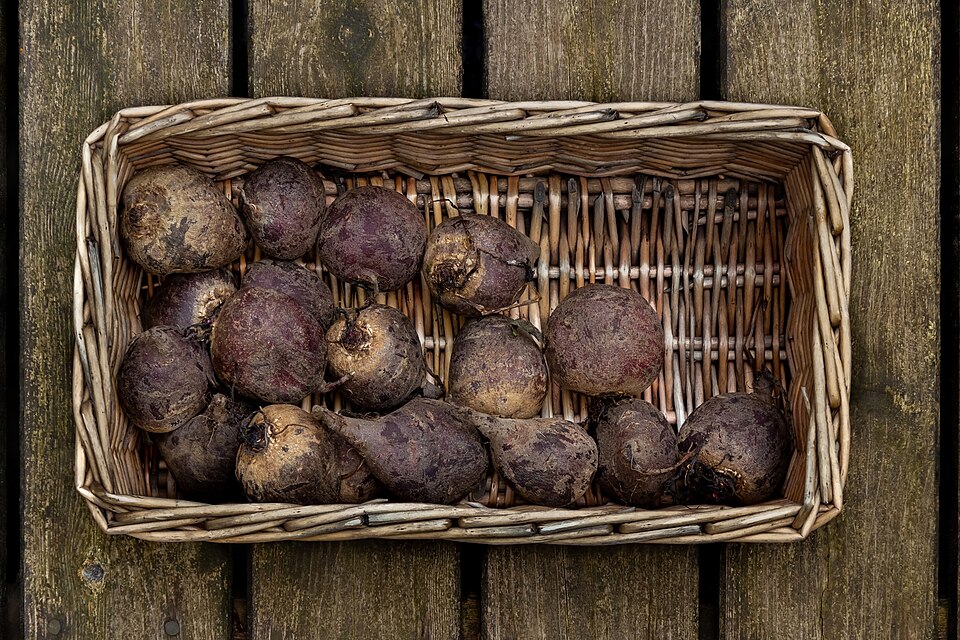
Detroit Red beet, more precisely Detroit Dark Red, is a classic open-pollinated table beet cultivar of Beta vulgaris, valued for its uniform round roots, deep crimson flesh, and reliable performance across a wide range of climates. Plants form a compact rosette of broad, ovate leaves with burgundy-red veins and petioles emerging from a swollen hypocotyl that develops into the edible storage root.
The root is botanically a swollen stem–root composite rather than a true taproot. Flesh color is typically deep red throughout with minimal zoning when grown under optimal conditions. Leaves are edible and nutritionally dense, often harvested as “beet greens.”
In modern nutrition and plant physiology literature, beets are discussed for their betalain pigments (betacyanins and betaxanthins), dietary nitrates, phenolic compounds, betaine, and soluble fiber. These compounds are studied for roles in nitric oxide signaling, vascular tone modulation, mitochondrial efficiency, antioxidant activity, and osmolyte balance.
Whole-Food Research Context
The functional compounds in beets are consistently framed within whole-food dietary research rather than pharmaceutical claims. Studies focus on how betalains, nitrates, and betaine interact with digestive processes, vascular systems, and cellular metabolism as part of a balanced diet.
Origin, Breeding History, and Agricultural Context
Detroit Dark Red was introduced in the late 19th century in the United States and became a standard market and home-garden beet due to its consistency, flavor, and storage quality.
As an open-pollinated cultivar, it breeds relatively true from seed, making it popular for seed saving and small-scale production. Historically, beets were grown both for roots and greens, stored through winter in cellars, fermented, pickled, or cooked as a staple cool-season vegetable in temperate regions.
Plant Morphology, Flowering, and Reproductive Biology
Beets are biennial, completing their life cycle over two seasons:
- Year 1: Leaf and root development
- Year 2: Flowering and seed production after vernalization
Flowering produces tall seed stalks bearing clusters of small greenish flowers. What is sold as “beet seed” is actually a seedball—a dried cluster containing multiple true seeds. Detroit Red readily produces viable seed if allowed to overwinter or vernalized artificially.
Understanding Seedballs
Because each seedball contains multiple true seeds, thinning is essential after germination to ensure uniform root development. This characteristic is unique to beets and is an important factor in planting density management.
Climate Adaptation and Environmental Requirements
Detroit Red beet performs best in USDA zones 2–10 as a cool-season crop. Beets tolerate light frost and are often grown in early spring and fall.
| Parameter | Optimal Range |
|---|---|
| Growing Temperature | 10–22°C (50–72°F) |
| Germination Minimum | ~7°C (45°F) |
| Heat Sensitivity Threshold | Root quality declines above 27°C (80°F) |
| Sun Exposure | Full sun to partial shade |
| Moisture | Consistent soil moisture is critical |
| Frost Tolerance | Tolerates light frost; suitable for spring and fall crops |
Soil Preferences, Fertility, and Root Development
Beets prefer loose, well-drained soils to allow uniform root expansion. Excess salinity is tolerated better than many vegetables.
Ideal Soil Parameters
| Parameter | Specification |
|---|---|
| Texture | Sandy loam or loam |
| pH Range | 6.0–7.5 |
| Stone Content | Stone-free preferred; rocks cause misshapen roots |
Nutrient Requirements
| Nutrient | Demand | Notes |
|---|---|---|
| Nitrogen (N) | Moderate | Excess promotes leaves over roots |
| Phosphorus (P) | Moderate | Supports early root development |
| Potassium (K) | High | Essential for sugar accumulation and color |
| Boron (B) | Critical | Deficiency causes internal browning (black heart) |
Boron Deficiency Alert
Boron is the most critical micronutrient for beet production. Internal browning, also known as “black heart,” is a direct symptom of boron deficiency and renders roots unmarketable. Soil testing and targeted boron supplementation are strongly recommended before planting.
Planting, Establishment, and Growing Systems
Beets are direct-sown, as transplanting disrupts root formation.
Planting Parameters
| Parameter | Specification |
|---|---|
| Sowing Depth | 1–2 cm (½–¾ in) |
| Row Spacing | 30–45 cm (12–18 in) |
| In-Row Spacing (after thinning) | 7–10 cm (3–4 in) |
Because seedballs contain multiple seeds, thinning is essential for uniform roots. Beets are grown successfully in several systems:
- In-ground beds
- Raised beds
- Deep containers (minimum 10–12 inches)
Growth Cycle, Thinning, and Yield Dynamics
Germination occurs in 5–10 days under optimal conditions. Roots reach harvest size in 55–70 days, though baby beets are harvested earlier. Thinning can be staged, harvesting young plants as greens while leaving others to mature.
Typical Yields
| Harvest Type | Expected Yield |
|---|---|
| Roots | 2–4 lb per 10-foot row |
| Greens | Continuous harvest early in the season |
Harvest Timing and Quality Optimization
Roots are harvested when 5–8 cm (2–3 in) in diameter for best tenderness and sweetness.
- Oversized roots become woody and develop stronger earthy flavors
- Even moisture throughout growth minimizes cracking and bitterness
- Baby beets can be pulled earlier for a more delicate texture
Post-Harvest Handling and Storage
Greens are removed promptly to prevent moisture loss from roots. Roots store best unwashed until use.
| Parameter | Specification |
|---|---|
| Storage Temperature | 0–2°C (32–36°F) |
| Relative Humidity | 95% |
| Shelf Life | 2–4 months under ideal conditions |
Processing, Preservation, and Transformation
Beets lend themselves to a wide range of processing and preservation methods, each affecting color, texture, and nutrient retention differently.
| Method | Description | Notes |
|---|---|---|
| Cooking | Roasting, boiling, steaming, or pressure cooking | Softens fibers and concentrates sugars |
| Pickling | Acid preservation in vinegar brine | Stabilizes color and preserves texture |
| Fermentation | Traditional lacto-fermentation | Preserves roots and enhances acidity |
| Juicing | Fresh juice extraction | Extracts pigments, nitrates, and sugars; fiber is reduced |
| Freezing | Cooked beets frozen | Raw freezing damages texture; cook first |
| Drying | Dehydration to chips or powder | Used for color and flavor applications |
Betalain Stability
Betalains are heat-stable under moist conditions but degrade with prolonged dry heat and light exposure. For maximum pigment retention, favor moist cooking methods and store finished preparations away from direct light.
Culinary Use, Intake Forms, and Integration
Detroit Red beet is used both as a root vegetable and leafy green. Common culinary applications include:
- Roasted or boiled roots
- Pickled slices
- Soups and purees
- Fermented preparations
- Juices and powders
- Sautéed or steamed greens
Typical Serving Sizes
| Part | Serving Size |
|---|---|
| Roots | 100–200 g per meal |
| Greens | Similar to spinach or chard portions |
Functional Compound Context
Beets contain a distinctive profile of bioactive compounds studied in the context of dietary health research.
| Compound Class | Role |
|---|---|
| Dietary Nitrates | Converted in vivo to nitric oxide, influencing vascular tone |
| Betalains | Antioxidant pigments responsible for red color |
| Betaine | Osmolyte involved in cellular hydration balance |
| Phenolic Acids | Contribute to flavor and oxidative stability |
| Fiber | Supports gut fermentation and digestive health |
Pigment Concentration and Peeling
Pigments are concentrated in the outer root layers. Peeling reduces both color intensity and phytonutrient content. Where possible, scrub rather than peel beets to maximize betalain retention.
Leaves, Greens, and Secondary Uses
Beet greens are nutritionally dense, containing carotenoids, vitamin K, magnesium, and iron. Greens are best harvested young; older leaves become fibrous. Thinned seedlings are commonly used as baby greens in salads and light cooking applications.
Seed Production and Saving
As an open-pollinated cultivar, Detroit Dark Red is well suited to on-farm seed production and saving.
- Selected roots are overwintered and replanted for seed production
- Plants require cold exposure (vernalization) to flower
- Seed stalks mature in late summer of the second year; seedballs are harvested dry
- Isolation distances are required to prevent cross-pollination with other Beta types
Seed Sovereignty
Because Detroit Dark Red is open-pollinated rather than a hybrid, growers can save seed year after year while maintaining cultivar characteristics. This supports on-farm seed sovereignty and reduces dependence on external seed suppliers.
System Integration and Additional Considerations
Detroit Red beet fits well into crop rotations, following legumes or heavy feeders. Its salt tolerance makes it suitable for marginal soils.
- Uniform moisture, proper thinning, and micronutrient balance are the key determinants of root quality
- As an open-pollinated cultivar, it supports on-farm seed sovereignty and small-scale production
- Beets pair well in polyculture with alliums, brassicas, and lettuce
- Rotation with non-chenopod crops helps manage Cercospora leaf spot and other soilborne diseases
Scientific and Authoritative References
This article is informed by data and conclusions drawn from, but not limited to:
- Rubóczki et al., Food Chemistry
- Clifford et al., Journal of Nutrition
- USDA Vegetable Production Guides: Beet
- FAO Root and Tuber Crop Manuals
- Kujala et al., Journal of Agricultural and Food Chemistry
- McGee, On Food and Cooking
- Goldman & Navazio, Plant Breeding Reviews
- EFSA Scientific Opinions on Dietary Nitrates
- Maynard & Hochmuth, Knott’s Handbook for Vegetable Growers
- Duke, Handbook of Edible Plants