science
Duckweed (Lemna, Wolffia, Spirodela spp.): Comprehensive Cultivation, Processing, and Use Guide for Human Food and Livestock Feed
Complete guide to duckweed cultivation covering Lemna, Wolffia, and Spirodela species, water chemistry, propagation, harvest optimization.
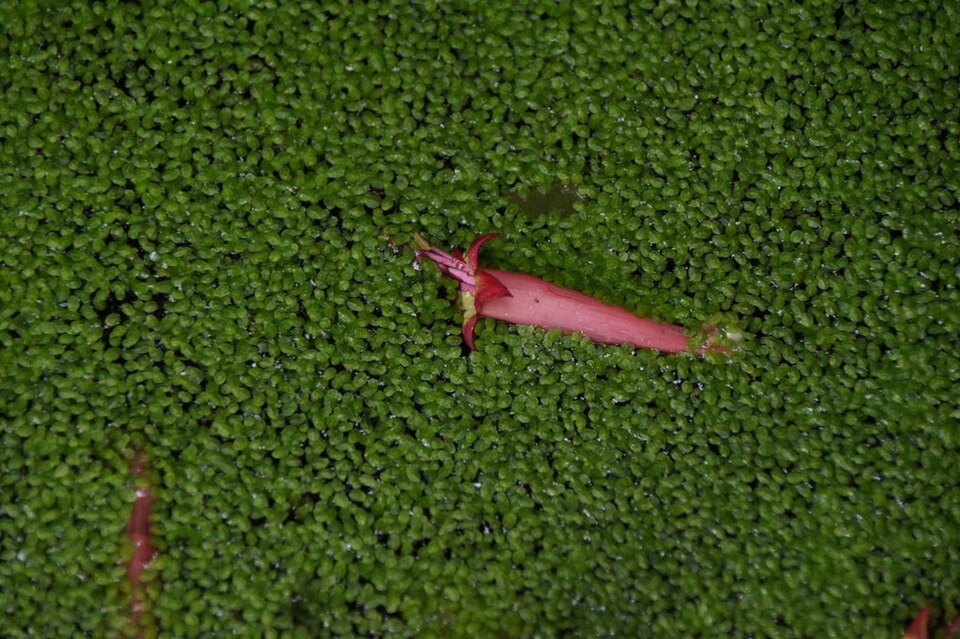
Botanical Description and Modern Scientific Context
Duckweed is a common name for several genera of tiny, free-floating aquatic plants—most notably Lemna, Wolffia, and Spirodela. These plants are among the smallest flowering plants on Earth, consisting of simple fronds (leaf-like bodies) that float on still or slow-moving freshwater. Roots may be present (as in Lemna and Spirodela) or absent entirely (as in Wolffia).
Despite their simplicity, duckweeds are biochemical powerhouses. Modern research focuses on their unusually high protein content, rapid biomass doubling rates, favorable amino acid profiles, and efficient uptake of dissolved nutrients. Duckweed is studied simultaneously in human nutrition, animal feed science, wastewater treatment, and closed-loop agricultural systems.
Exceptional Protein Content
In food and feed literature, duckweed is discussed for complete protein (up to 35–45% dry weight in optimal conditions), essential amino acids, omega-3 fatty acids (ALA), minerals, B vitamins, and carotenoids, while also being exceptionally low in fiber and anti-nutritional factors compared to terrestrial forages.
Origin, Ecology, and Historical Use
Duckweed species are native to every continent except Antarctica, inhabiting ponds, lakes, rice paddies, canals, and wetlands.
Historically, duckweed has been:
- Consumed by humans in parts of Southeast Asia, particularly Wolffia (“khai nam,” “water eggs”)
- Used as livestock and fish feed across Asia and Europe
- Cultivated unintentionally in nutrient-rich waters for centuries
Scientific interest surged in the late 20th century as duckweed was recognized as one of the most efficient protein-producing plants per square meter known.
Growth Habit, Reproduction, and Biomass Dynamics
Duckweed reproduces primarily through vegetative budding, not seed, allowing exponential population growth. Under ideal conditions, biomass can double every 24–72 hours.
Growth is horizontal across the water surface, forming dense mats that:
- Shade underlying water
- Absorb dissolved nutrients
- Convert nitrogen directly into protein
Flowering and seed production are rare and agriculturally irrelevant.
Climate Adaptation and Environmental Requirements
Duckweed grows in USDA zones 4–11, depending on species. Growth slows in cold weather but resumes rapidly with warmth.
| Parameter | Optimal Range |
|---|---|
| Water Temperature | 18–30°C (64–86°F) |
| Minimum Growth Temperature | ~10°C (50°F) |
| Sunlight | Full sun to partial shade (high light increases protein) |
| Water Depth | Any depth, provided surface is still |
| Flow | Minimal; prefers stagnant or gently circulating water |
Water Chemistry and Nutrient Requirements
Duckweed thrives in nutrient-rich freshwater. It efficiently removes nitrogen and phosphorus from water, making it valuable for nutrient recycling and water remediation.
Water Chemistry Parameters
Ideal water conditions for duckweed cultivation include a pH range of 6.5–7.5 (tolerates 5.5–8.5), with ammonium and nitrate readily absorbed as nitrogen sources. Phosphorus is critical for rapid growth, potassium supports cellular function, and micronutrients such as iron, magnesium, and zinc play important supporting roles.
| Parameter | Specification |
|---|---|
| pH | 6.5–7.5 (tolerates 5.5–8.5) |
| Nitrogen | Ammonium and nitrate readily absorbed |
| Phosphorus | Critical for rapid growth |
| Potassium | Supports cellular function |
| Micronutrients | Iron, magnesium, zinc important |
Propagation, Establishment, and Growing Systems
Duckweed is propagated by introducing live biomass into suitable water. Establishment is rapid; complete surface coverage often occurs within days to weeks.
Common Growing Systems
- Outdoor ponds
- Stock tanks
- Lined raceways
- Aquaponic systems
- Shallow trays in controlled environments
Growth Cycle, Harvest Frequency, and Yield
Duckweed is harvested continuously or frequently to prevent overcrowding. Regular thinning increases growth rate and protein concentration.
| Parameter | Value |
|---|---|
| Annual Dry Matter Yield | 10–25 tons per hectare per year |
| Protein Yield Comparison | Exceeds soy on a land-area basis under optimal management |
| Biomass Doubling Time | 24–72 hours under ideal conditions |
Harvesting Methods and Post-Harvest Handling
Fresh duckweed spoils quickly and must be processed promptly. Clean water sources are essential for food-grade use.
Harvesting Techniques
- Skimming surface mats
- Draining shallow systems
- Netting or belt harvesters (commercial scale)
Post-Harvest Options
- Used immediately: Fresh biomass fed directly to livestock or consumed
- Dried: Low-temperature dehydration for storage
- Frozen: Preserves fresh biomass with minimal nutrient loss
- Fermented: Lactic fermentation for extended shelf life
Processing, Preservation, and Transformation
Drying
Low-temperature drying (≤50°C / 122°F) preserves amino acids and pigments. Dried duckweed becomes a fine green meal or powder.
Freezing
Freezing preserves fresh biomass with minimal nutrient loss. Suitable for later processing or feeding.
Fermentation
Lactic fermentation improves shelf life and digestibility. This method is common in livestock feed systems.
Pelletizing
Dried meal can be pelleted for uniform animal feed, improving handling and storage characteristics.
Protein Concentrates
Industrial systems extract duckweed protein for human food ingredients. Home-scale discussion remains descriptive due to the complexity of protein isolation processes.
Duckweed as Human Food: Cultural and Nutritional Context
Certain species, especially Wolffia, are traditionally eaten in parts of Southeast Asia. The flavor is mild, vegetal, and spinach-like.
Nutritional Profile (Dry Weight, Approximate)
Duckweed offers a remarkable nutritional density: 30–45% protein, 5–10% fat (rich in ALA omega-3), 25–40% carbohydrates, very low fiber, and highly bioavailable iron, zinc, and calcium. This profile rivals or exceeds many conventional plant protein sources.
| Nutrient | Content (Dry Weight) |
|---|---|
| Protein | 30–45% |
| Fat | 5–10% (rich in ALA) |
| Carbohydrates | 25–40% |
| Fiber | Very low |
| Minerals | Iron, zinc, calcium — highly bioavailable |
Documented Culinary Uses
- Added to soups and omelets
- Mixed with rice
- Incorporated into vegetable dishes
- Dried and powdered as a protein additive
Duckweed as Livestock Feed
Duckweed is widely studied and used as feed for a range of livestock species. Feeding contexts emphasize supplemental use, not sole ration replacement.
Livestock Feed Applications
Duckweed provides high protein density, excellent amino acid balance, rapid on-farm production, and reduced dependence on soymeal—making it a practical supplement for small-scale and integrated farming systems.
| Livestock | Notes |
|---|---|
| Poultry | High protein supplement; well-documented feed trials |
| Fish (tilapia, carp, catfish) | Natural feed source; integrated aquaculture systems |
| Pigs | Protein supplement; improves feed conversion |
| Ducks | Natural foraging species; direct pond feeding |
| Rabbits | Fresh or dried supplement; highly palatable |
| Cattle | Supplemental use; protein enrichment of rations |
Digestibility and Anti-Nutritional Considerations
Duckweed contains low levels of lignin and minimal anti-nutrients. Digestibility is high across species.
Water quality determines safety; duckweed bioaccumulates contaminants if present. This characteristic makes water source management the single most critical factor in producing safe duckweed for food or feed use.
Soil and Nutrient Cycling Integration
Duckweed converts dissolved nutrients into harvestable biomass, acting as a bridge between aquatic and terrestrial nutrient cycles.
When composted or applied to soil, duckweed:
- Rapidly decomposes
- Releases nitrogen efficiently
- Feeds microbial communities
Safety, Purity, and Use Boundaries
Food-grade duckweed must be grown in clean, controlled water. Species identification matters; not all duckweeds are traditionally eaten.
Duckweed readily absorbs:
- Heavy metals
- Excess salts
- Pollutants
Important: Water Source Control
Because duckweed bioaccumulates dissolved substances from its growing water, any food or feed application requires verified clean water sources. Duckweed grown on wastewater or uncontrolled runoff is suitable only for non-food uses such as composting or bioremediation.
System Integration and Regenerative Value
Duckweed excels in integrated production systems due to its minimal land use, low input requirements, and fast turnover.
Compatible Systems
- Integrated livestock systems
- Aquaponics
- Wastewater-fed biomass systems (non-food use)
- Closed-loop protein production
- Small farms and backyard systems
Key Advantages
- Extremely high protein per unit area
- Minimal land use compared to terrestrial crops
- Low input requirements
- Fast turnover and continuous harvest potential
Cultural and Educational Importance
Duckweed is a key teaching species for alternative protein research, aquatic agriculture, circular nutrient systems, and low-land-use food production. It challenges conventional assumptions about where protein can come from and how efficiently it can be produced.
- Alternative proteins
- Aquatic agriculture
- Circular nutrient systems
- Low-land-use food production
Scientific and Authoritative References
This article is informed by data and conclusions drawn from, but not limited to:
- Landolt & Kandeler, The Family of Lemnaceae
- FAO, Duckweed: A Tiny Aquatic Plant with Enormous Potential
- Appenroth et al., Plant Biology
- Cheng & Stomp, Biomass and Bioenergy
- Leng et al., Livestock Research for Rural Development
- USDA Agricultural Research Service: Duckweed Protein Studies
- Sree et al., Frontiers in Chemistry
- Bhanthumnavin & McGarry, Aquatic Botany
- EFSA Novel Food assessments on Wolffia
- Hillman & Culley, The Uses of Duckweed