plants
Hawthorn (Crataegus spp.): A Complete Cultivation, Processing, and Therapeutic Use Monograph
Grow and use hawthorn (Crataegus spp.): botany and growth habit, climate and soil needs, propagation, cultivation, and harvesting the berries.
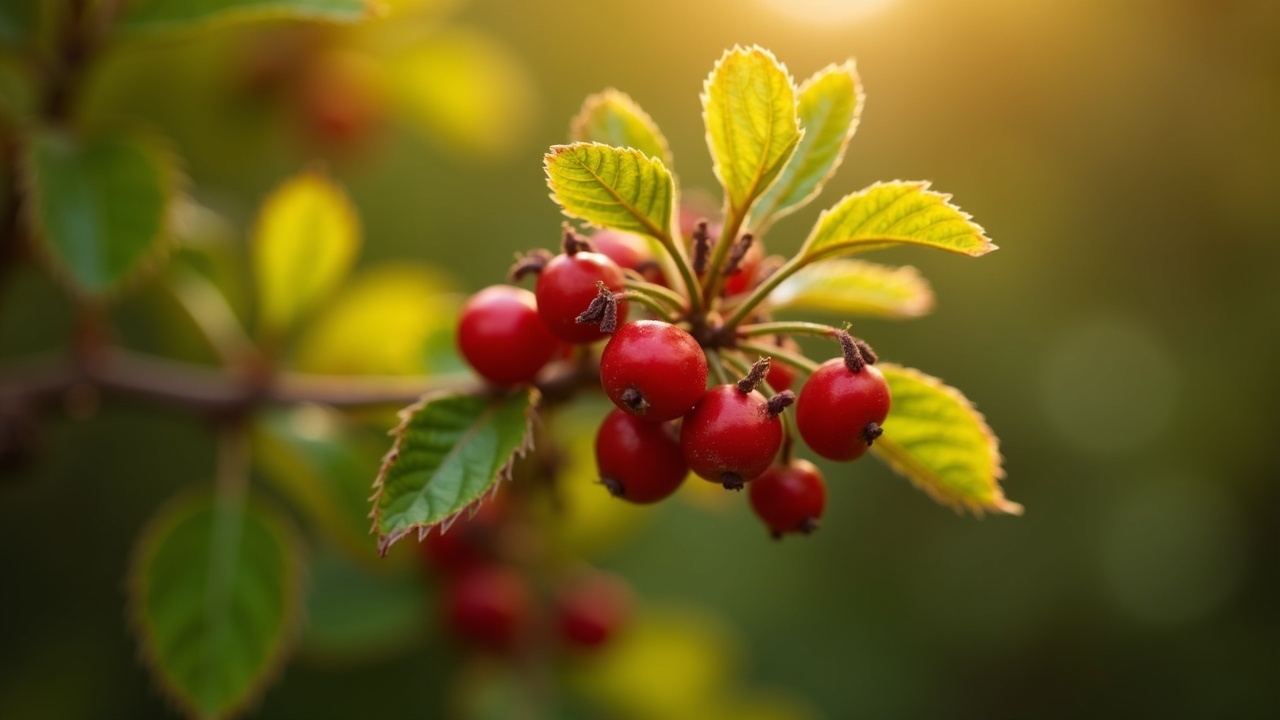
Crataegus spp. — A Complete Grower's and Herbalist's Monograph
Pure Euphoria Botanicals • Nored Farms • Austin, Texas
Quick Reference
| Common Names | Hawthorn, Mayhaw, Thornapple, Whitethorn, Hawberry |
| Botanical Name | Crataegus monogyna Jacq., C. laevigata (Poir.) DC., C. pinnatifida Bunge, C. oxyacantha auct. (Family: Rosaceae) |
| Native Range | Europe, western Asia, and North Africa (C. monogyna/laevigata); eastern Asia (C. pinnatifida); North America (C. douglasii, C. mollis, and 100+ species) |
| Plant Type | Deciduous thorny shrub or small tree; long-lived (200–400+ years documented); slow-growing |
| USDA Hardiness | Zones 3–8 (species dependent); extremely cold-hardy |
| Mature Size | 15–30 ft (4.5–9 m) height; 10–25 ft (3–7.5 m) spread |
| Parts Used | Berries (haws), leaves, flowers — each with distinct compound profiles |
| Key Compounds | Oligomeric procyanidins (OPCs), vitexin, hyperoside, rutin, chlorogenic acid, ursolic acid, epicatechin |
Botanical Description
Hawthorn is a genus of 200–300 species within Rosaceae, notorious for taxonomic complexity due to hybridization, polyploidy, and apomixis (asexual seed production). For medicinal and cultivation purposes, three species dominate: C. monogyna (common hawthorn), C. laevigata (midland hawthorn, formerly C. oxyacantha), and C. pinnatifida (Chinese hawthorn).
Berries (haws): Small pomes 6–15 mm in diameter (C. monogyna/laevigata) or up to 25 mm (C. pinnatifida), ripening from green through yellow-orange to deep red or dark crimson. Each contains 1–5 bony nutlets depending on species. Berry flesh is mealy to slightly fleshy, mildly sweet-tart when fully ripe. The dominant berry compounds are oligomeric procyanidins (OPCs, also called condensed tannins), epicatechin, chlorogenic acid, and ursolic acid. OPC content ranges from 1–3% of dry weight in ripe berries.
Leaves: Alternate, simple, deeply lobed (3–7 lobes depending on species), 2–6 cm long. C. monogyna leaves are more deeply cut than C. laevigata. Leaf tissue contains the highest concentrations of flavonoids — particularly vitexin (a C-glycosyl flavone), hyperoside (quercetin-3-O-galactoside), and rutin. Vitexin content in leaves can reach 0.5–0.7% of dry weight, compared to trace amounts in berries.
Flowers: White to pink, five-petaled, 8–15 mm across, borne in corymbs of 5–25 flowers. Bloom occurs in late spring (May in the Northern Hemisphere — hence "May tree" in British tradition). Flowers share the high flavonoid profile of leaves, with particularly concentrated hyperoside, and add volatile compounds including trimethylamine (responsible for the characteristic slightly fishy, musky scent). Flower harvest window is narrow: 3–7 days from bud break to petal drop.
Each plant part brings something the others lack. Berry OPCs drive the positive inotropic effect. Leaf and flower flavonoids are responsible for vasodilation and ACE inhibition. A complete hawthorn protocol uses all three.
Geographic Origin, History, and Ethnobotanical Use
Hawthorn's medicinal history predates written records, but documented use begins with Dioscorides (1st century CE), who described its astringent and digestive properties. The cardiac application emerged in European folk medicine by the late medieval period, with Irish physician Dr. Green of Ennis using hawthorn berry tincture for heart disease in the early 1800s — a family secret formula later revealed to contain Crataegus oxyacantha berry extract.
Formal pharmacological investigation began in the 1890s when Jennings, an American eclectic physician, published reports on hawthorn for cardiac insufficiency and valvular disease. By the 1930s, German and French physicians had adopted hawthorn as a standard cardiotonic botanical. The German Commission E monograph (1994) approved hawthorn leaf-with-flower preparations for declining cardiac performance corresponding to NYHA functional class II.
In traditional Chinese medicine, C. pinnatifida (shan zha) has been used for centuries, but primarily as a digestive aid for meat and fat stagnation rather than for cardiac indications — a fundamentally different application from the European tradition.
British and European hedgerow culture is inseparable from hawthorn. Enclosure Acts of the 18th and 19th centuries resulted in an estimated 200,000 miles of hawthorn hedgerow planted across England alone. These living fences became the backbone of agricultural landscape ecology, providing livestock barriers, windbreaks, bird nesting habitat, and pollinator corridors simultaneously.
Plant Morphology and Growth Habit
Hawthorn develops as a multi-stemmed shrub or single-trunked small tree depending on management. The trunk and major branches produce hard, dense wood (specific gravity 0.73–0.84) with fine, tight grain — historically valued for tool handles, engraving blocks, and turnery.
Thorns: Most species produce sharp thorns 1–5 cm long on older wood, modified stems that serve as formidable mechanical defense. Thorn density varies by species and vigor; C. monogyna produces thorns on nearly every node, while some cultivated varieties are less armed.
Root system: Fibrous and deep-reaching, with a central taproot in young trees transitioning to a wide lateral root network at maturity. Root depth commonly reaches 3–5 ft (0.9–1.5 m) in well-drained soils, contributing to hawthorn's drought tolerance once established.
Bark: Smooth and silvery-gray when young, developing shallow fissures and orange-brown patches with age. Old specimens develop deeply furrowed, plated bark.
Growth rate: Slow. Expect 6–12 inches (15–30 cm) of height per year under average conditions. First flowering typically occurs at 5–8 years from seed, 2–4 years from grafted stock.
Climate Requirements
| Parameter | Range |
|---|---|
| Hardiness zones | USDA 3–8 (species dependent) |
| Winter chill requirement | 800–1,500 hours below 7°C (45°F) — essential for flower initiation |
| Growing season temperature | 15–28°C (59–82°F) optimal |
| Heat tolerance | Moderate; leaf scorch and premature fruit drop above 38°C (100°F) |
| Annual rainfall | 500–1,200 mm (20–47 in); drought-tolerant once established but fruit quality suffers below 600 mm |
| Light | Full sun for maximum fruit and flower production; tolerates partial shade (4+ hours direct sun) |
| Wind tolerance | Excellent — standard hedgerow windbreak species across maritime and continental climates |
Hawthorn's cold-hardiness is outstanding. C. monogyna and North American species tolerate -35°C (-31°F) without dieback. The limiting factor in warm climates is insufficient chill hours — below 800 hours, flowering is erratic and fruit set drops sharply. Central Texas (zones 8a–8b) is marginal; select C. opaca (mayhaw) or low-chill C. mollis for southern plantings.
Soil Characteristics
Hawthorn tolerates a wider range of soils than most fruiting trees. Optimal conditions are deep, well-drained loam or clay-loam with a pH of 6.0–7.5. However, hawthorn grows acceptably in:
- Heavy clay (common in hedgerow plantings across English Midlands clay soils)
- Thin, chalky limestone soils (native habitat across European chalk downlands)
- Sandy loams with organic matter amendment
- Slightly alkaline soils up to pH 8.0
Nutrient demands are modest. Hawthorn is not a heavy feeder. Nitrogen requirements are low to moderate (30–60 lb/acre for production plantings). Excessive nitrogen produces vegetative growth at the expense of flowering. Potassium supports fruit quality and disease resistance. Phosphorus is important during establishment. Mycorrhizal associations are strong — avoid fungicide drenches that destroy soil fungal networks.
Drainage: Tolerates brief waterlogging but not sustained saturated conditions. Mayhaw (C. opaca, C. aestivalis) is the exception — native to swampy bottomlands of the American Southeast, it tolerates standing water for extended periods.
Propagation
Hawthorn propagation requires patience. Seed dormancy is deep and multi-layered, making cuttings or grafting the preferred methods for production.
Seed Propagation
Hawthorn seeds exhibit double dormancy: a hard, bony endocarp (mechanical dormancy) surrounding an embryo with physiological dormancy. Breaking both requires:
- Warm stratification: 3–4 months at 20–25°C (68–77°F) in moist sand or peat. This period allows microbial softening of the endocarp and initiates embryo after-ripening.
- Cold stratification: 3–4 months at 1–4°C (34–39°F). Completes physiological dormancy release.
- Total time from collection to germination: 6–18 months. Some seeds take two full winter cycles.
Acid scarification (sulfuric acid soak for 1–3 hours) can partially replace warm stratification by degrading the endocarp, but is less reliable than the natural two-phase process.
Germination rates for properly stratified seed run 40–70%. Seedling growth is slow — expect 6–10 inches (15–25 cm) in the first year.
Hardwood Cuttings
Moderately difficult. Take 15–20 cm cuttings of current-season wood in late autumn after leaf drop. Treat with 3,000–8,000 ppm IBA (indole-3-butyric acid). Root in a 50:50 perlite:peat medium at 18–22°C (64–72°F) bottom heat. Success rates are 30–60%, lower than many other Rosaceae members.
Grafting
The most reliable production method. Whip-and-tongue or chip budding onto C. monogyna seedling rootstock in late winter or late summer. Compatibility is generally excellent within Crataegus. Grafted trees fruit 2–4 years earlier than seedlings.
Growth, Management, and Harvest
Orchard/Production Planting
Space trees 10–15 ft (3–4.5 m) apart for orchard production. Hawthorn responds well to open-center pruning that maximizes light penetration to interior fruiting wood. Remove crossing branches, dead wood, and excessive interior shoots annually during dormancy. Avoid heavy heading cuts — hawthorn fruits on short spurs and older lateral wood.
Hedgerow Planting
Space 12–18 inches (30–45 cm) apart in a single row, or 18–24 inches (45–60 cm) in a staggered double row. Lay or coppice the hedge on a 7–15 year rotation to maintain density at the base. Traditional hedge-laying (pleaching) involves partially cutting through stems and weaving them horizontally — a living fence that becomes stockproof within 2–3 seasons.
Flower Harvest
Timing is critical. Harvest flower clusters (with attached leaves) when 50–75% of buds in each corymb have opened. This captures peak flavonoid content. Once petals begin browning and dropping, compound concentrations decline rapidly. The window is typically 5–10 days in a given location. Harvest in dry morning conditions after dew evaporates.
Berry Harvest
Haws ripen September through November depending on species and latitude. Harvest indicators:
- Full color development — uniformly deep red to crimson (no green patches)
- Slight softening of flesh
- Seeds fully hardened
- Brix reading of 12–18° (higher in C. pinnatifida)
Premature harvest yields astringent, tannin-heavy berries with lower OPC and sugar content. Late harvest risks bird predation, frost damage, and fungal colonization. A light frost (to -2°C / 28°F) can improve flavor by converting starches to sugars, similar to sloe berries — but extended hard frost degrades fruit quality.
Expected yields: 10–30 lb (4.5–13.5 kg) per mature tree, highly variable with species, age, pollination, and weather.
Post-Harvest Handling
Flowers and leaves: Dry immediately after harvest. Spread in thin layers on screens in a dark, well-ventilated area at 30–38°C (86–100°F). Avoid direct sunlight — UV degrades flavonoids. Oven or dehydrator drying at 35–40°C (95–104°F) with airflow works well. Target moisture content below 10%. Properly dried leaf+flower retains potency for 12–18 months when stored in airtight containers away from light and heat.
Berries: Can be processed fresh or dried. For drying, halve berries or puncture skins to accelerate moisture removal. Dry at 40–50°C (104–122°F) until brittle. Whole dried berries store for 2+ years. Fresh berries refrigerate for 5–7 days or freeze for 12+ months with minimal compound degradation.
Critical note on oxidation: Cut hawthorn tissue browns rapidly due to polyphenol oxidase activity. Process fresh material quickly or freeze promptly to preserve OPC and flavonoid integrity.
Processing
Tincture — Berry
- Use fresh or recently dried berries.
- If fresh: chop or crush berries lightly, tincture at 1:2 fresh weight to 50% ethanol.
- If dried: grind coarsely, tincture at 1:5 dried weight to 50% ethanol.
- Macerate 4–6 weeks, agitating daily.
- Press, filter, and bottle.
- Berry tincture is rich in OPCs, epicatechin, and ursolic acid.
Tincture — Leaf and Flower
- Harvest leaf+flower at early bloom stage.
- Tincture fresh at 1:2 in 60% ethanol. Higher alcohol percentage is needed to extract the more polar flavone glycosides (vitexin, hyperoside).
- Macerate 4–6 weeks.
- Press, filter, and bottle.
- Leaf+flower tincture delivers the primary vasodilatory and ACE-inhibiting compounds.
Combined Preparation
Blend berry tincture and leaf+flower tincture at 1:2 (berry:leaf+flower) for the most complete compound profile mirroring the standardized extracts used in European clinical trials.
Syrup
Simmer 2 cups dried berries in 3 cups water for 30–40 minutes. Strain. Add 1 cup raw honey to warm (not boiling) decoction. Bottle. Refrigerate — shelf life 3–4 months. Syrup captures water-soluble OPCs and polysaccharides.
Jam and Jelly
Cook ripe haws with water until soft. Pass through a food mill to remove seeds and skins. The resulting puree is high in pectin (hawthorn is one of the richest natural pectin sources among wild fruits). Add sugar 1:1 by volume to puree and cook to gel point (105°C / 221°F). Hawthorn jelly has a tart-sweet flavor similar to crabapple. C. pinnatifida produces the best culinary fruit due to larger size and higher sugar content.
Vinegar Infusion
Pack dried berries into a jar, cover with raw apple cider vinegar. Infuse 4–6 weeks. Strain. Use 1–2 tablespoons daily in water. Vinegar menstruum extracts organic acids, minerals, and a portion of the OPCs.
Functional Compounds and Mechanisms of Action
Oligomeric Procyanidins (OPCs)
The most studied group. OPCs are condensed tannin oligomers built from epicatechin and catechin units. Hawthorn berries contain primarily B-type procyanidins (B2 and B5). These compounds:
- Positive inotropic effect: OPCs inhibit cAMP-specific phosphodiesterase (PDE3), increasing intracellular cAMP in cardiomyocytes. Elevated cAMP enhances calcium influx through L-type calcium channels, strengthening contractile force. The critical distinction from cardiac glycosides (digoxin): this mechanism does not increase myocardial oxygen demand. The heart pumps harder without working harder — a pharmacological profile that eluded synthetic drug design for decades (Schwinger et al., 2000).
- Antioxidant protection of vascular endothelium: OPCs scavenge superoxide and peroxynitrite in vascular tissue, reducing oxidative modification of LDL and protecting endothelial function (Veveris et al., 2004).
Vitexin (Apigenin-8-C-glucoside)
A C-glycosyl flavone concentrated in leaves and flowers. Vitexin:
- Relaxes vascular smooth muscle via endothelial nitric oxide synthase (eNOS) activation, increasing NO production and coronary artery dilation (Luo et al., 2012).
- Demonstrates anti-arrhythmic properties in animal models by stabilizing cardiac membrane potentials.
- Resists hydrolysis in the gut better than O-glycosyl flavonoids, providing superior oral bioavailability.
Hyperoside (Quercetin-3-O-galactoside)
An O-glycosyl flavonol present in high concentrations in leaf+flower preparations. Hyperoside:
- Inhibits angiotensin-converting enzyme (ACE), reducing angiotensin II-mediated vasoconstriction and aldosterone release. This lowers peripheral vascular resistance and afterload (Lacaille-Dubois et al., 2001).
- Anti-inflammatory activity through inhibition of NF-κB and reduction of IL-6 and TNF-α.
Rutin (Quercetin-3-O-rutinoside)
Strengthens capillary walls and reduces vascular permeability. Synergizes with vitexin and hyperoside in overall vascular protection.
Ursolic Acid
A pentacyclic triterpene concentrated in berry skins. Anti-inflammatory and cardioprotective in animal models. Contributes to the overall anti-atherogenic activity of berry preparations.
Chlorogenic Acid
A phenolic acid present across all plant parts. Modulates glucose metabolism and provides antioxidant activity in the gastrointestinal tract before systemic absorption.
Integrated Cardiovascular Mechanism
The three primary pathways converge:
- Increased contractile force (OPCs → PDE3 inhibition → ↑cAMP → ↑calcium availability) — without increasing oxygen demand
- Reduced peripheral resistance (hyperoside → ACE inhibition → ↓angiotensin II → vasodilation)
- Coronary vasodilation (vitexin → eNOS activation → ↑nitric oxide → smooth muscle relaxation)
This triple mechanism explains why standardized hawthorn extracts (WS 1442, LI 132) showed clinical benefit in NYHA class II–III heart failure trials — they address preload, afterload, and contractility simultaneously through complementary, non-redundant pathways.
Safety, Interactions, and Cycling Protocol
General Safety Profile
Hawthorn has an excellent safety record. The ESCOP (European Scientific Cooperative on Phytotherapy) monograph and German Commission E monograph both classify hawthorn leaf+flower preparations as safe with no known serious adverse effects at recommended doses. The LD50 in rodent models is extremely high, indicating wide therapeutic margin.
Common mild effects at therapeutic doses:
- Occasional dizziness (vasodilation effect)
- Mild GI upset (tannin content, especially berry preparations)
- Headache (rare)
Drug Interactions — This Is Where Hawthorn Demands Respect
Hawthorn potentiates the effects of several cardiac medication classes through pharmacodynamic synergy:
Cardiac glycosides (digoxin): Hawthorn's positive inotropic activity adds to digoxin's effect on cardiac contractility. Concurrent use may increase digoxin's therapeutic effect and toxicity risk. Patients on digoxin should not use hawthorn without physician oversight and potential dose adjustment (Tankanow et al., 2003).
Beta-blockers (metoprolol, atenolol, propranolol): Hawthorn's negative chronotropic and vasodilatory effects may amplify beta-blocker activity, risking excessive bradycardia or hypotension.
ACE inhibitors (lisinopril, enalapril) and ARBs: Hawthorn's own ACE-inhibiting flavonoids add to pharmaceutical ACE inhibition. Additive hypotensive effect is possible.
Antihypertensives (calcium channel blockers, diuretics): Hawthorn's vasodilatory and mild diuretic effects compound with pharmaceutical antihypertensives, increasing hypotension risk.
CNS depressants: Mild sedative effects of hawthorn flavonoids may add to benzodiazepines, barbiturates, or alcohol.
Phosphodiesterase inhibitors (cilostazol, milrinone, sildenafil): Theoretical additive effect via shared PDE inhibition pathway.
Onset and Cycling
Hawthorn is not an acute-effect botanical. Clinical trials consistently report 4–8 weeks before measurable hemodynamic changes appear. The SPICE trial (Survival and Prognosis: Investigation of Crataegus Extract) used a 24-month treatment period to assess outcomes.
Cycling protocol: 8 weeks on, 2 weeks off for general cardiovascular support in otherwise healthy individuals. This prevents tachyphylaxis (diminishing response) and allows assessment of baseline function. Hawthorn should not be treated as a daily lifetime supplement — evaluate periodically whether it remains appropriate.
Not for self-treating diagnosed heart failure. Hawthorn extract showed promise in NYHA II–III trials, but the HERB-CHF trial (Zick et al., 2009) found no significant benefit over placebo in NYHA II–IV patients already on standard medical therapy. Hawthorn is not a replacement for evidence-based cardiac pharmacotherapy.
Contraindications
- Known hypersensitivity to Rosaceae family plants
- Pregnancy and lactation (insufficient safety data)
- Children under 12 (insufficient dosing data)
Dosing (from clinical trial protocols)
- Standardized extract (WS 1442): 900 mg/day in divided doses
- Tincture (1:5, 50% ethanol): 3–5 mL, 3x daily
- Dried berry decoction: 1–2 g dried berries simmered in 150 mL water, 2–3x daily
- Dried leaf+flower infusion: 1–2 g in 150 mL water, 2–3x daily
System Integration: Hedgerow, Wildlife, and Permaculture
Hawthorn is arguably the most important hedgerow species in temperate permaculture and agroforestry. Its contributions extend far beyond medicine:
Livestock barrier: Dense thorn growth creates an impenetrable living fence when properly laid and maintained. A mature, laid hawthorn hedge is stockproof against cattle, sheep, and goats.
Wildlife habitat: Hawthorn provides nesting sites for dozens of bird species. Dense thorn cover protects ground-nesting species from predators. Berry crops sustain overwintering thrushes, waxwings, blackbirds, and other frugivores. Over 300 insect species associate with hawthorn in the British Isles.
Pollinator support: May bloom coincides with peak pollinator activity. Flowers attract honeybees, native bees, hoverflies, and beetles. Nectar flow contributes to spring honey crops.
Windbreak and microclimate: Hawthorn hedgerows reduce wind speed by 50–75% for a distance of 10–15x the hedge height on the leeward side, moderating temperature extremes and reducing evapotranspiration in adjacent crop fields.
Nurse tree: Hawthorn canopy shelters understory plantings of shade-tolerant herbs, protecting young trees from wind and browsing in mixed agroforestry systems.
Nitrogen cycling: While not a nitrogen-fixer itself, hawthorn's deep root system accesses subsoil nutrients and returns them to the surface through leaf litter, improving nutrient cycling in hedgerow-adjacent soils.
Companion species for hedgerow planting: Blackthorn (Prunus spinosa), field maple (Acer campestre), dog rose (Rosa canina), elder (Sambucus nigra), hazel (Corylus avellana). A mixed-species hedgerow with 60–70% hawthorn provides year-round structure, staggered bloom, and diverse fruiting for wildlife.
Pests and Diseases
Fire blight (Erwinia amylovora): The most serious disease threat. Bacterial infection causes shoot dieback, cankers, and can kill entire trees. Rosaceae family susceptibility. Prune infected wood 12+ inches below visible damage, sterilizing tools between cuts. Avoid high-nitrogen fertilization that produces susceptible succulent growth.
Cedar-hawthorn rust (Gymnosporangium spp.): Fungal disease requiring juniper (Juniperus spp.) as alternate host. Produces orange galls on juniper, then releases spores that infect hawthorn leaves and fruit. Remove nearby junipers where practical, or accept cosmetic leaf damage in mixed landscapes.
Hawthorn leaf miner (Phyllonorycter spp.): Larvae mine between leaf surfaces, creating blotch mines visible as pale patches. Damage is usually cosmetic and does not significantly reduce fruit yield or tree vigor.
Aphids and psyllids: Common but rarely damaging in balanced ecosystems with predator populations. Avoid broad-spectrum insecticides that destroy beneficial insect communities.
References
- Schwinger, R.H., Pietsch, M., Frank, K., & Brixius, K. (2000). Crataegus special extract WS 1442 increases force of contraction in human myocardium (cAMP-independent). Journal of Cardiovascular Pharmacology, 35(5), 700–707. DOI: 10.1097/00005344-200005000-00004
- Holubarsch, C.J., Colucci, W.S., Meinertz, T., Gaus, W., & Tendera, M. (2008). The efficacy and safety of Crataegus extract WS 1442 in patients with heart failure: The SPICE trial. European Journal of Heart Failure, 10(12), 1255–1263. DOI: 10.1016/j.ejheart.2008.10.004
- Zick, S.M., Vautaw, B.M., Gillespie, B., & Aaronson, K.D. (2009). Hawthorn extract randomized blinded chronic heart failure (HERB CHF) trial. European Journal of Heart Failure, 11(10), 990–999. DOI: 10.1093/eurjhf/hfp116
- Veveris, M., Koch, E., & Chatterjee, S.S. (2004). Crataegus special extract WS 1442 improves cardiac function and reduces infarct size in a rat model of prolonged coronary ischemia and reperfusion. Life Sciences, 74(15), 1945–1955. DOI: 10.1016/j.lfs.2003.09.050
- Lacaille-Dubois, M.A., Franck, U., & Wagner, H. (2001). Search for potential angiotensin converting enzyme (ACE)-inhibitors from plants. Phytomedicine, 8(1), 47–52. DOI: 10.1078/0944-7113-00003
- Luo, P., Tan, Z.H., Zhang, Z.F., Zhang, H., Liu, X.F., & Mo, Z.J. (2012). Scutellarin isolated from the flower of Erigeron multiradiatus ameliorates doxorubicin-induced apoptosis via eNOS pathway. Journal of Ethnopharmacology, 144(2), 287–294. DOI: 10.1016/j.jep.2012.09.012
- Tankanow, R., Tamer, H.R., Streetman, D.S., Smith, S.G., Welton, J.L., Annesley, T., Aaronson, K.D., & Ridker, P.M. (2003). Interaction study between digoxin and a preparation of hawthorn (Crataegus oxyacantha). Journal of Clinical Pharmacology, 43(6), 637–642. DOI: 10.1177/0091270003253417
- Chang, Q., Zuo, Z., Harrison, F., & Chow, M.S. (2002). Hawthorn. Journal of Clinical Pharmacology, 42(6), 605–612. DOI: 10.1177/00970002042006003
- Edwards, J.E., Brown, P.N., Talent, N., Dickinson, T.A., & Shipley, P.R. (2012). A review of the chemistry of the genus Crataegus. Phytochemistry, 79, 5–26. DOI: 10.1016/j.phytochem.2012.04.006
- European Scientific Cooperative on Phytotherapy (ESCOP). (2003). Crataegi folium cum flore — Hawthorn leaf and flower. In ESCOP Monographs (2nd ed., pp. 106–118). Thieme.
- Blumenthal, M., Goldberg, A., & Brinckmann, J. (2000). Herbal Medicine: Expanded Commission E Monographs. American Botanical Council.
Tags
[plant-species] [formulation] [growing] [ancestral] [advanced]