guides
Heavenly Blue Morning Glory (Ipomoea tricolor ‘Heavenly Blue’): Comprehensive Cultivation, Processing, and Use Guide
Complete guide to Heavenly Blue morning glory covering Ipomoea tricolor cultivation, climate adaptation, propagation, seed harvest.
Botanical Description and Modern Scientific Context
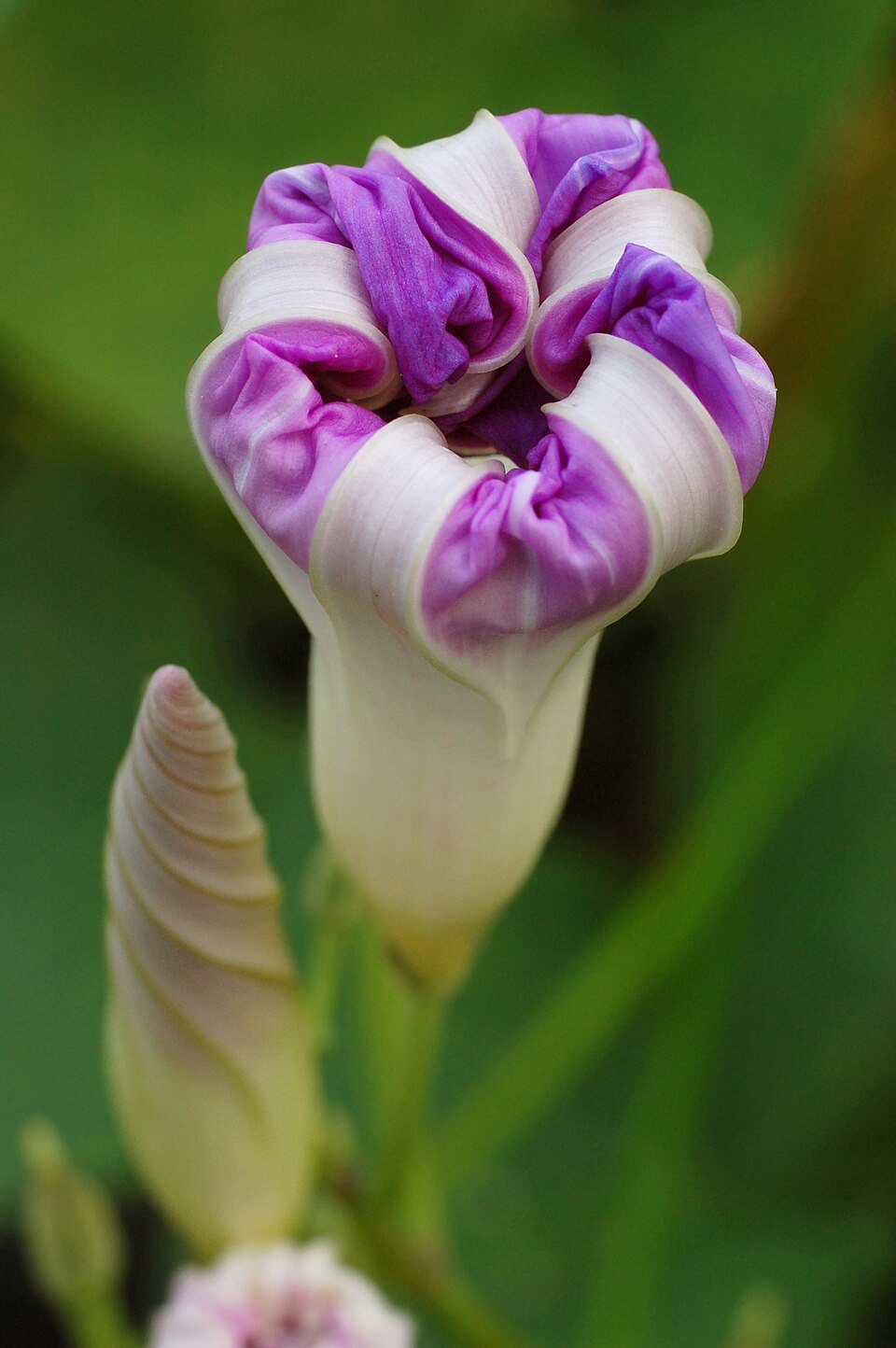
Heavenly Blue morning glory is a classic ornamental cultivar of Ipomoea tricolor, an annual twining vine in the Convolvulaceae family. Plants rapidly climb 10–15 feet (3–4.5 m) in a single season, producing heart-shaped leaves and large, trumpet-shaped flowers that open at dawn and fade by midday. The cultivar is distinguished by its intense sky-blue petals with a pale yellow throat and white halo.
Flowers are ephemeral but prolific. The plant sets numerous three-chambered capsules containing hard, wedge-shaped dark seeds. While the vine is grown primarily for ornament and pollinator support, its chemistry has drawn sustained ethnobotanical and phytochemical interest.
Modern literature discusses I. tricolor for indole alkaloids present primarily in seeds (ergoline-type compounds), along with phenolics, resins, and glycosides distributed through vegetative tissues. Research frames these compounds within ethnobotany, toxicology, and plant–insect ecology rather than approved medical use.
Alkaloid Context
The ergoline alkaloids found in Ipomoea tricolor seeds are structurally related to compounds produced by ergot fungi. Modern scientific literature discusses these compounds within frameworks of ethnobotany, alkaloid chemistry, and plant–fungal symbiosis—not as endorsed therapeutic agents. All discussion in this guide is presented for educational and horticultural purposes.
Origin, Cultural History, and Traditional Context
Ipomoea tricolor is native to Mesoamerica, where related morning glory species were cultivated and revered long before European contact. In pre-Columbian cultures, certain Ipomoea species were used ceremonially; historical accounts reference seeds as part of ritual and divinatory contexts.
During the 19th and early 20th centuries, Heavenly Blue was selected and popularized as an ornamental for temperate gardens due to its vigor and flower color. By mid-20th century, the plant became a focal point in discussions of ethnobotany because of alkaloids in the seeds—prompting both scientific study and regulatory attention.
Contemporary horticulture treats Heavenly Blue primarily as an ornamental vine, with historical psychoactive associations discussed in academic and cultural contexts rather than as endorsed use.
Plant Morphology, Flowering, and Reproductive Biology
Stems are slender, twining, and clockwise-climbing. Leaves are cordate, soft, and thin-textured. Flowers are insect-pollinated (bees and moths), followed by round seed capsules that dry and split when mature.
Seeds are the primary reproductive unit; vegetative propagation is uncommon. Each capsule typically contains several hard, dark, wedge-shaped seeds that serve as the sole means of propagation for this cultivar.
Climate Adaptation and Environmental Requirements
Heavenly Blue performs best in USDA zones 3–11 as a warm-season annual. Excessive nitrogen promotes foliage at the expense of flowers, making balanced fertility essential for ornamental performance.
| Parameter | Optimal Range |
|---|---|
| Growing Season Temperature | 18–32°C (65–90°F) |
| Frost Tolerance | None; frost kills vines |
| Sunlight | Full sun (6–8+ hours) |
| Humidity | Moderate |
| Water | Moderate; drought stress reduces flowering |
Soil Preferences and Nutrient Balance
Heavenly Blue prefers well-drained loam or sandy loam with moderate organic matter and good drainage throughout the root zone.
| Parameter | Specification |
|---|---|
| Soil pH | 6.0–7.5 |
| Organic Matter | Moderate |
| Drainage | Good |
Nutrient Emphasis
- Nitrogen: Low to moderate—excess promotes foliage over flowers
- Phosphorus: Supports flowering and bloom development
- Potassium: Enhances bloom color and vine resilience
Propagation, Establishment, and Growing Systems
Heavenly Blue morning glory is propagated exclusively by seed. Seeds have a hard coat; light scarification or overnight soaking in warm water improves uniform germination.
| Parameter | Specification |
|---|---|
| Planting Depth | 1–1.5 cm (½ in) |
| Spacing | 20–30 cm (8–12 in) |
| Germination Temperature | ≥18°C (65°F) |
| Time to Emergence | 5–10 days |
Common Growing Systems
- Trellises, fences, and pergolas
- Containers with vertical supports
- Companion plantings for summer shade
Growth Cycle and Canopy Management
Rapid vegetative growth begins within weeks of germination. Flowering typically begins 6–8 weeks after planting and continues until frost. Pinching early growth encourages branching and more flower sites, improving ornamental display throughout the season.
Harvest Timing and Seed Maturation
Seed capsules mature 4–6 weeks after flowering. Capsules are harvested when fully dry and brown; seeds are removed and further dried before storage. Properly dried seeds store well for multiple years, maintaining viability across growing seasons.
Post-Harvest Handling and Storage
| Material | Storage Conditions | Notes |
|---|---|---|
| Seeds | Dry, dark, cool; moisture <10% | Viability: 3–5 years |
| Vegetative Material | Not typically stored | Used fresh for ornamental or compost purposes |
Processing, Preservation, and Transformation
The primary purpose of Heavenly Blue morning glory is ornamental; flowers are enjoyed fresh on the vine. Additional applications include:
- Seed saving: Common for gardeners due to open pollination—seeds are collected, dried, and stored for the following season
- Composting: Vines break down readily and contribute organic matter to compost systems
- Dye and pigment experiments: Flower pigments (anthocyanins) shift color with pH and are sometimes explored in educational settings
Psychoactive History and Alkaloid Context
Seeds of Ipomoea tricolor contain ergoline alkaloids (including lysergic acid amides) that are structurally related to compounds found in ergot fungi. These are concentrated in the seed embryo and absent or minimal in flowers and leaves.
Ethnographic sources describe ceremonial use of related Ipomoea species in pre-Columbian Mesoamerica. Mid-20th-century scientific interest examined these alkaloids for their neurochemical activity.
Modern Regulatory Position
Modern toxicology and regulatory frameworks emphasize risk, variability, and contamination concerns, and do not endorse ingestion. Contemporary discussion treats psychoactivity as a historical and biochemical fact, not a recommended practice. Alkaloid content varies significantly by seed lot, growing conditions, and commercial treatment.
Safety Boundaries and Modern Use Framework
Seeds are not considered food. Variability in alkaloid content, potential coatings on commercial seed, and individual sensitivity present significant risk.
Important: Safety Guidance
Gardening guidance emphasizes ornamental cultivation only. Seeds should be clearly labeled and stored away from children and animals. Ingestion should be avoided. The plant is otherwise safe to grow and handle as an ornamental.
Ecological and System Integration
Heavenly Blue supports pollinators and provides rapid seasonal shade. Dense growth can smother nearby plants; spacing and trellising prevent competition with neighboring species.
Self-seeding may occur in warm climates; deadheading reduces volunteers and keeps the planting area controlled from season to season.
Cultural and Educational Value
Heavenly Blue is widely used as a teaching plant in educational and botanical settings, covering topics such as:
- Phototropism and circadian rhythms: The morning bloom cycle demonstrates light-responsive behavior
- Pollination ecology: Flower structure and insect interactions
- Ethnobotany and the ethics of plant use: Historical and cultural context of Mesoamerican species
- Seed coat dormancy and scarification: Germination biology and hard-seed physiology
Scientific and Authoritative References
This article is informed by data and conclusions drawn from, but not limited to:
- Rätsch, The Encyclopedia of Psychoactive Plants
- Schultes & Hofmann, Plants of the Gods
- Duke, Handbook of Medicinal Herbs
- USDA PLANTS Database: Ipomoea tricolor
- Hofmann, LSD: My Problem Child (historical alkaloid context)
- Abad et al., Journal of Ethnopharmacology
- McGee, On Food and Cooking (pigments and plant chemistry)
- EMA and EFSA reports on ergoline alkaloids (toxicology context)
- Erowid Botanical Vaults (ethnobotanical documentation)
- Grieve, A Modern Herbal