science
High-THC Cannabis (Cannabis sativa L., High-Δ9-THC Chemotypes): Research-Focused Overview, Uses, and Safety Context
Research-focused guide to high-THC cannabis covering chemical overview, global clinical research landscape, therapeutic areas studied.
Research Context Disclaimer
This article summarizes what has been studied and reported in peer-reviewed literature and national medical registries around the world. It does not constitute a medical claim, diagnosis, or treatment recommendation. All information is presented within the framework of botanical and pharmacological research.
Botanical and Chemical Overview
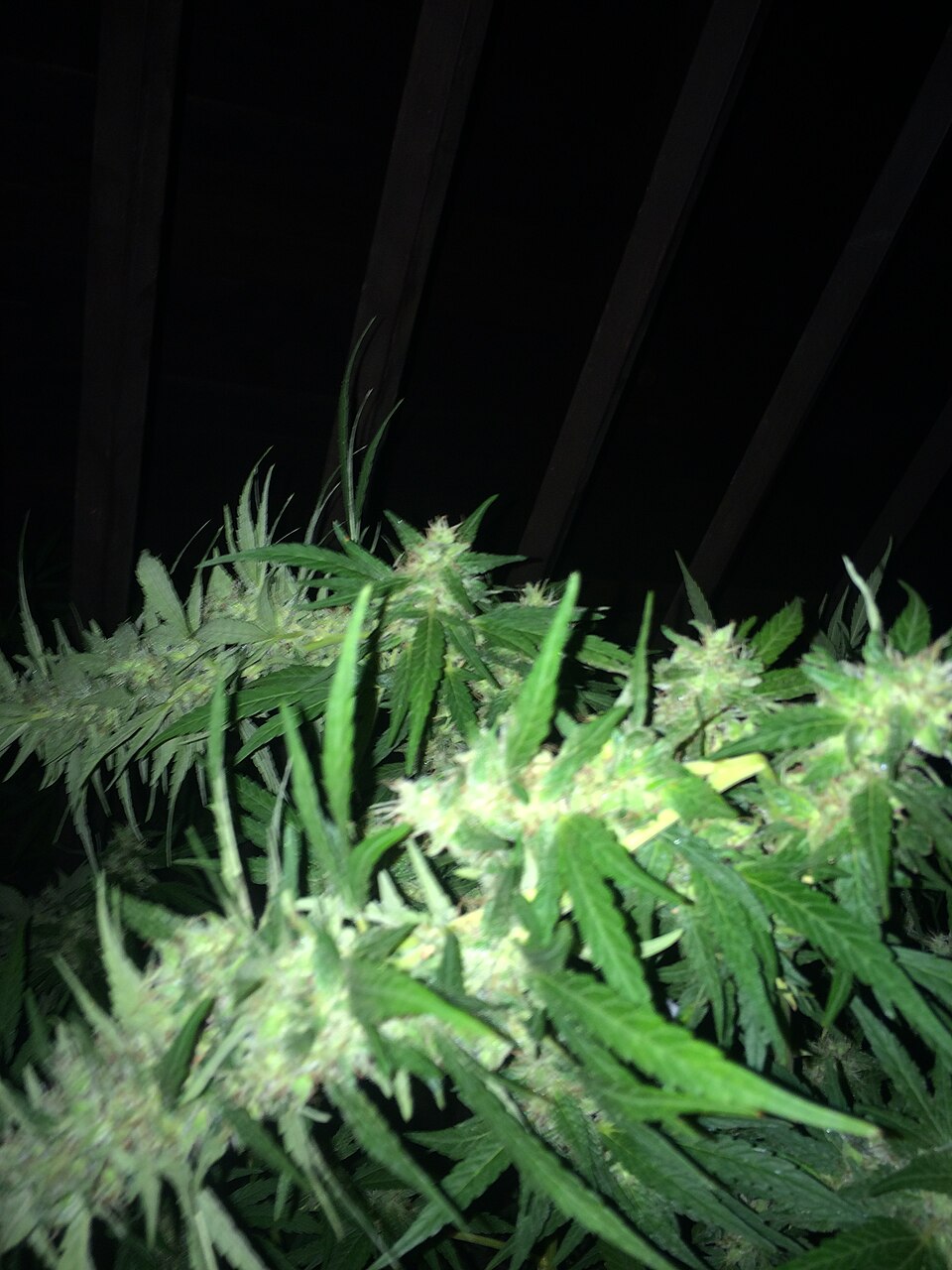
High-THC cannabis refers to chemotypes of Cannabis sativa selectively bred to produce elevated concentrations of Δ9-tetrahydrocannabinol (THC) in glandular trichomes on female inflorescences. THC is a lipophilic terpenophenolic compound synthesized from cannabigerolic acid (CBGA) via THCA synthase and converted to its active form through heat or time—a process known as decarboxylation.
Modern analyses emphasize the whole-plant phytochemical matrix: alongside THC, plants produce other cannabinoids (CBD, CBG, CBC, THCV), terpenes (e.g., myrcene, limonene, β-caryophyllene), flavonoids, and minor phenolics. Research increasingly evaluates outcomes as chemotype-specific rather than THC-only.
Pharmacologically, THC acts primarily as a partial agonist at CB1 and CB2 receptors within the endocannabinoid system (ECS), influencing neurotransmitter release (GABA, glutamate, dopamine) and downstream networks involved in pain processing, appetite, mood, memory, and motor control.
Key Phytochemical Classes
| Compound Class | Examples | Research Context |
|---|---|---|
| Primary Cannabinoid | Δ9-THC (from THCA) | CB1/CB2 partial agonist; central and peripheral activity |
| Minor Cannabinoids | CBD, CBG, CBC, THCV | Modulatory and independent receptor interactions |
| Terpenes | Myrcene, limonene, β-caryophyllene | Entourage modulation; independent biological activity |
| Flavonoids & Phenolics | Cannflavins, apigenin, quercetin | Antioxidant and anti-inflammatory signaling research |
Global Research Landscape
Countries and regions with long-standing medical programs—Israel, Canada, Germany, the Netherlands, Spain, Italy, Australia, Uruguay, and several Latin American jurisdictions—have produced a large body of clinical trials, observational cohorts, and pharmaco-epidemiology examining THC-dominant preparations.
Research outputs include standardized flower, oils, oral capsules, sprays, and vaporized formulations, allowing dose-response modeling and adverse-event tracking that are difficult to perform under prohibition frameworks.
Regulatory Context for Research
In countries with legal medical access, THC is treated as a controlled therapeutic agent, often requiring physician oversight, defined indications, adverse-event reporting, and product standardization with testing. This regulatory structure has enabled large real-world datasets, especially in Israel and Canada, informing best-practice guidelines worldwide.
Therapeutic Areas Studied for High-THC Preparations
The following summarizes what has been studied and reported in peer-reviewed literature and national medical registries. It does not constitute a medical claim or recommendation.
Pain and Inflammation
- Chronic neuropathic pain, cancer-related pain, and refractory musculoskeletal pain are among the most consistently studied indications
- THC’s CB1-mediated modulation of nociceptive signaling and central pain perception is a core mechanism discussed in European and Canadian trials
- Some registries report opioid-sparing associations in populations with access to medical cannabis
Spasticity and Movement Disorders
- Multiple sclerosis–associated spasticity is one of the strongest evidence areas, with THC-containing products reducing spasm frequency and severity in several randomized studies conducted in Europe
- Observational studies also examine dystonia and Parkinsonian rigidity, with mixed but ongoing findings
Nausea, Appetite, and Cachexia
- THC’s antiemetic effects are well documented, particularly in chemotherapy-induced nausea and vomiting
- Appetite stimulation and weight stabilization have been studied in HIV/AIDS-related wasting and cancer cachexia, forming the basis of approved synthetic THC analogs in some countries
Sleep and Circadian Symptoms
- THC is studied for sleep initiation and maintenance, especially where pain or spasticity disrupts rest
- Research distinguishes short-term benefits from potential tolerance with chronic use
Psychiatric and Neurological Contexts
- Investigated areas include PTSD-related nightmares, treatment-resistant anxiety, and mood dysregulation, primarily in observational cohorts from Israel and Canada
- Findings emphasize dose sensitivity and patient screening, as high THC can exacerbate anxiety or psychosis in vulnerable individuals
Dose Sensitivity in Psychiatric Applications
International guidelines strongly emphasize that psychiatric applications require careful patient screening, low initial dosing, and ongoing monitoring. Individuals with personal or family histories of psychosis are typically excluded from high-THC treatment protocols.
Neuroprotection and Brain Injury (Preclinical to Early Clinical)
- Animal and cellular models explore THC’s role in reducing excitotoxicity, oxidative stress, and neuroinflammation
- Early human data examine post-concussion symptoms and traumatic brain injury, with cautious interpretation
Oncology-Adjacent Research (Supportive, Not Curative)
- Beyond symptom control (pain, nausea, appetite), preclinical studies from Europe and South America examine THC’s effects on tumor cell apoptosis, angiogenesis inhibition, and autophagy in certain cancer cell lines
- These findings remain laboratory-based; clinical oncology use is focused on supportive care, not tumor eradication
Summary of Research Areas and Evidence Levels
| Therapeutic Area | Study Type | Key Regions |
|---|---|---|
| Chronic Neuropathic Pain | Randomized trials, observational cohorts | Canada, Europe, Israel |
| MS-Associated Spasticity | Randomized controlled trials | Europe (UK, Germany, Spain) |
| Chemotherapy-Induced Nausea | Clinical trials, registry data | Global (multiple jurisdictions) |
| Appetite & Cachexia | Clinical trials | Canada, United States |
| Sleep Disruption | Observational cohorts | Israel, Canada, Australia |
| PTSD & Mood Dysregulation | Observational cohorts | Israel, Canada |
| Neuroprotection | Preclinical to early clinical | Israel, Europe |
| Oncology (Supportive Care) | Preclinical; clinical supportive care | Europe, South America |
Routes of Administration Studied Internationally
Each route produces distinct pharmacokinetics, influencing efficacy and side-effect profiles. International research programs have evaluated multiple delivery methods to characterize onset, duration, and bioavailability.
| Route | Characteristics | Primary Research Regions |
|---|---|---|
| Inhalation (Vaporized) | Rapid onset, short duration; flower or extract formulations | Israel, Netherlands |
| Oral Oils & Capsules | Slower onset, longer duration; standardized dosing | Canada, Australia |
| Oromucosal Sprays | Standardized dosing; sublingual absorption | Europe (MS trials) |
| Topicals (THC-Containing) | Localized application; minimal systemic exposure | Various jurisdictions |
The Entourage Effect and Chemotype Research
International research increasingly supports evaluating THC in combination with terpenes and minor cannabinoids, rather than in isolation. This concept—termed the "entourage effect"—posits that the full phytochemical matrix of cannabis produces outcomes distinct from those of isolated THC.
Key Modulatory Compounds
| Compound | Type | Studied Association |
|---|---|---|
| β-Caryophyllene | Sesquiterpene | CB2 agonist activity; anti-inflammatory signaling |
| Myrcene | Monoterpene | Sedative-associated effects; potential analgesic modulation |
| Limonene | Monoterpene | Mood-associated effects; anxiolytic research |
| CBD (Cannabidiol) | Cannabinoid | THC modulation; independent anxiolytic and anti-inflammatory activity |
| CBG (Cannabigerol) | Cannabinoid | Emerging research in neuroprotection and appetite regulation |
This understanding has led to chemovar-based prescribing in some legal systems, matching symptom clusters to specific plant profiles rather than relying solely on THC concentration as a metric of potency or therapeutic relevance.
Safety, Tolerance, and Risk Considerations
International safety research identifies several consistent themes across THC-dominant preparations. These considerations inform clinical guidelines and patient screening protocols in jurisdictions with legal medical access.
| Risk Area | Details |
|---|---|
| Dose-Dependence | Many adverse effects (anxiety, tachycardia, dysphoria) are dose-related and more common with high-THC products |
| Tolerance Development | Chronic exposure can reduce responsiveness, prompting research into cycling strategies and balanced formulations |
| Psychiatric Risk | Strongly emphasized in international guidelines; individuals with personal or family histories of psychosis are typically excluded |
| Cognitive Effects | Short-term memory and reaction time impairment are well documented; long-term impacts are still being clarified |
Safety Note: Risk Mitigation in Medical Programs
In countries with structured medical cannabis programs, risk mitigation involves physician oversight, titrated dosing (starting low and increasing slowly), defined indications, adverse-event reporting, and product standardization with laboratory testing. These measures have enabled large real-world safety datasets that continue to refine best-practice guidelines.
Regulatory and Clinical Framing Abroad
In countries with legal medical access, THC is treated as a controlled therapeutic agent. The regulatory infrastructure typically requires:
- Physician oversight: Prescribing or authorizing clinicians with specialized training
- Defined indications: Specific medical conditions or symptom clusters qualifying for access
- Adverse-event reporting: Systematic tracking of side effects and outcomes
- Product standardization and testing: Laboratory analysis for potency, contaminants, and consistency
This regulatory structure has enabled large real-world datasets, especially in Israel (operating since the 1990s) and Canada (federal medical program since 2001), informing best-practice guidelines that are adopted and adapted by newer programs worldwide.
Cultural and Scientific Significance
High-THC cannabis sits at the intersection of plant breeding, neuropharmacology, public health, and policy. International research has reframed it from a monolithic substance to a chemically diverse botanical drug platform, where outcomes depend on formulation, context, and individual biology.
The shift toward chemovar-based evaluation—characterizing plants by their full chemical profile rather than THC content alone—represents a maturation in how the scientific community approaches cannabis as a research subject. This evolution parallels broader trends in phytopharmacology, where single-compound reductionism gives way to systems-level analysis of plant-derived therapeutic agents.
Scientific and Authoritative References
This article is informed by data and conclusions drawn from, but not limited to:
- Mechoulam et al., British Journal of Pharmacology – Endocannabinoid system foundations
- Whiting et al., JAMA – Systematic review of medical cannabis trials
- Abrams & Guzman, Molecular Cancer Therapeutics – Cannabinoids and cancer (preclinical)
- Rog et al., Neurology – THC-containing sprays in MS spasticity
- Häuser et al., European Journal of Pain – Cannabinoids in chronic pain
- Israeli Ministry of Health Medical Cannabis Registry reports
- Health Canada clinical and observational cannabis reviews
- Russo, British Journal of Pharmacology – Entourage effect framework
- National Academies of Sciences, The Health Effects of Cannabis and Cannabinoids
- MacCallum & Russo, Frontiers in Pharmacology – Clinical dosing and safety considerations