plants
Kanna
Complete Kanna (Sceletium tortuosum) monograph: origin and history, active alkaloids, cultivation, harvest and fermentation, and extraction methods.
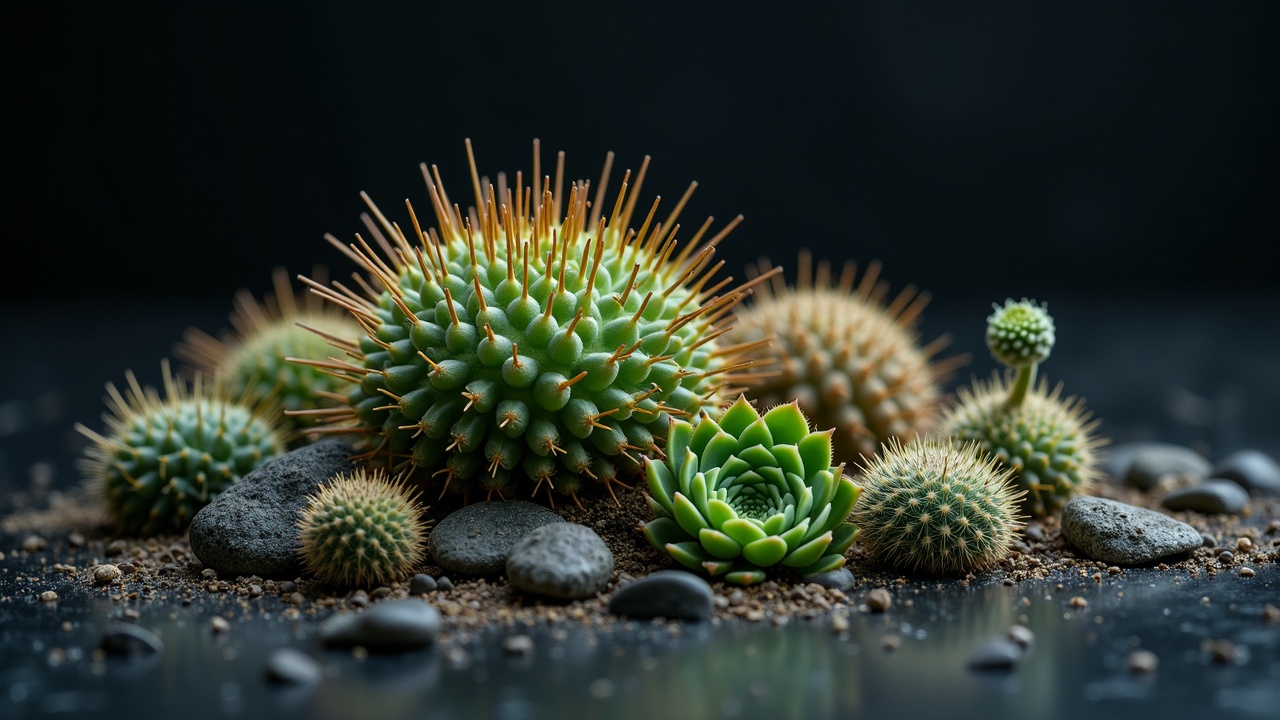
Sceletium tortuosum — A Complete Grower's and Herbalist's Monograph
Pure Euphoria Botanicals • Nored Farms • Austin, Texas
Quick Reference
| Common Names | Kanna, Channa, Kougoed (Afrikaans: "something to chew") |
| Botanical Name | Sceletium tortuosum (L.) N.E.Br. (Family: Aizoaceae — the ice plant family) |
| Native Range | Western and Southern Cape provinces of South Africa; arid and semi-arid coastal zones |
| Plant Type | Succulent perennial groundcover; sprawling stems; fleshy crystalline-textured leaves; papery flowers |
| USDA Hardiness | Zones 9–11 outdoors as a perennial; container cultivation viable in Zones 7+ with frost protection |
| Active Compounds | Mesembrine, mesembrenone, mesembrenol, mesembranone (mesembrine alkaloid series) |
| Primary Actions | Serotonin reuptake inhibitor; serotonin-releasing agent; PDE4 inhibitor; anxiolytic; mood-elevating |
| Best Extraction Method | Everclear 190-proof tincture for maximum alkaloid extraction and sublingual bioavailability |
| Critical Temperature Limit | Never exceed 105°F at any processing stage — mesembrine alkaloids degrade above this temperature |
| Fermentation | Traditional anaerobic fermentation (kougoed) shifts alkaloid ratios toward mesembrenone |
| Legal Status | Fully legal in the United States; not a scheduled substance |
| Harvest Part | Aerial parts including stems, leaves, and flowers; the full above-ground plant at or after flowering |
Origin and History
Sceletium tortuosum originates in one of the most botanically distinct landscapes on earth: the Cape Floristic Region of South Africa, a biodiversity hotspot recognized by UNESCO and Conservation International as one of the world's six floristic kingdoms. The plant grows naturally in the succulent karoo biome of the Western and Southern Cape, colonizing rocky coastal and inland slopes in extremely low-rainfall environments where annual precipitation can be as little as 100 millimeters and where the soil is typically shallow, stony, and highly alkaline.
The Khoisan peoples — the original inhabitants of southern Africa and among the oldest genetically distinct human populations on earth — have used kanna for at least several centuries and likely much longer. The Khoikhoi (pastoral Khoisan) and the San (hunter-gatherer Khoisan) both documented use of the plant as an anxiolytic, euphoriant, hunger suppressant, and social facilitator. The Afrikaans name kougoed, meaning "something to chew," describes the most common traditional preparation method: fresh or fermented plant material chewed slowly to release the alkaloids through the buccal mucosa directly into the bloodstream, bypassing first-pass liver metabolism entirely.
European documentation of kanna begins in the 1660s with reports from the Cape Colony's first Dutch settlers, who observed Khoikhoi men chewing a plant and described the resulting state of mild intoxication and increased sociability. Subsequent colonial reports across the 17th and 18th centuries mention the plant repeatedly, and missionaries in the 18th and 19th centuries documented its widespread use while attempting unsuccessfully to prohibit it among converted Khoisan communities.
Clinical research beginning in the early 2000s confirmed the serotonin transporter inhibition activity of mesembrine, validating what the Khoisan had known experientially for generations and providing the pharmacological basis for the plant's growing use as an evidence-supported botanical anxiolytic.
Active Compounds: What They Do in the Human Body
Mesembrine: Primary SERT Inhibitor and Serotonin Releaser
Mesembrine inhibits the serotonin transporter (SERT), the protein responsible for reabsorbing serotonin from the synaptic cleft back into the presynaptic neuron after it has been released. When SERT is inhibited, serotonin remains in the synapse longer and continues activating postsynaptic receptors. This increased serotonergic activity across the amygdala, prefrontal cortex, and raphe nuclei produces the anxiolytic and mood-brightening effects. Critically, mesembrine is also a serotonin-releasing agent at higher concentrations, meaning it actively promotes serotonin release from the presynaptic terminal in addition to blocking its reuptake. This dual action is the reason for the serious drug interaction concern with pharmaceutical SSRIs and MAOIs.
In the body, mesembrine is absorbed through the gastrointestinal tract and through buccal mucosa (in the traditional chewing preparation). Onset by the sublingual route is 10–20 minutes; oral onset is 20–45 minutes. The compound is metabolized by hepatic cytochrome P450 enzymes with a relatively short half-life, accounting for the 2–4 hour duration of effect.
Mesembrenone: Dual SERT and PDE4 Inhibitor
Mesembrenone shares mesembrine's serotonin reuptake inhibition but adds phosphodiesterase 4 (PDE4) inhibition as a second mechanism. When PDE4 is inhibited, cyclic AMP (cAMP) levels rise in neurons, activating the CREB transcription factor pathway. CREB drives expression of BDNF (brain-derived neurotrophic factor), which supports neuronal survival, synaptic plasticity, and new memory formation. This mechanism contributes the cognitive clarity and anti-inflammatory neural effects that distinguish kanna from purely sedative anxiolytics. It is also the mechanism behind the anti-inflammatory activity documented for mesembrenone in microglial cells.
Alkaloid Reference Table
| Alkaloid | Mechanism in Brain | Effect You Feel | Relative Proportion |
|---|---|---|---|
| Mesembrine | SERT inhibition + serotonin release; amygdala, PFC, raphe | Rapid anxiety reduction; mood brightening; emotional openness | Highest in unfermented material |
| Mesembrenone | SERT inhibition + PDE4 inhibition; PFC, hippocampus | Cognitive clarity; neuroprotection; anti-inflammatory neural effect | Increases with fermentation |
| Mesembrenol | Weaker SERT inhibition; serotonergic synapses broadly | Supporting anxiolytic; duration extension | Moderate; stable across processing |
| Mesembranone | Pharmacology partially characterized | Minor contributor to overall effect | Lower concentration |
Cultivation: Full Growing Guide
Understanding the Native Ecology
Growing kanna in North America requires understanding that you are cultivating a plant designed by evolution for conditions that are almost the opposite of standard vegetable or herb gardening. The succulent karoo of South Africa is hotter, drier, and poorer in organic matter than virtually any conventional growing context. Kanna's entire physiology is built for resource scarcity: its water-storing leaves, its ability to metabolically slow during drought, its preference for lean alkaline soils, and its active production of psychoactive alkaloids as stress compounds all reflect an origin in extreme environmental conditions. Trying to grow kanna the way you grow tomatoes or basil — regular irrigation, rich substrate, high humidity — is the most reliable way to kill it.
In the Western Cape, kanna grows in the fynbos and succulent karoo transition zones, typically on rocky south-facing slopes or in the shelter of larger shrubs where wind exposure is moderate. Annual rainfall in its native range is 100–300 millimeters, falling primarily in the winter months with a long, hot, dry summer. The soil is typically well below 30 centimeters deep over bedrock, highly alkaline from calcium carbonate-rich parent rock, and very low in organic matter and soluble nitrogen. The plant's alkaloid production peaks during the dry season stress period, suggesting that alkaloids are synthesized as a response to drought stress and UV radiation rather than in spite of it.
Site Selection
For outdoor growing in Zone 8 Texas, kanna is an excellent candidate for the hottest, driest, most exposed positions on the property — south-facing slopes, against south or west-facing rock walls that radiate heat, or exposed raised beds that drain rapidly. The Hill Country's alkaline limestone soils are closer to kanna's native conditions than almost any other American regional soil type.
- Sun exposure: Full sun required; minimum 8 hours of direct sunlight daily; afternoon sun actively promotes alkaloid production under mild heat stress that triggers the relevant biosynthetic pathways
- Wind: Moderate wind exposure is acceptable and beneficial
- Drainage: The single most important site characteristic; any position where water pools after rain is wrong for kanna; elevated positions, slopes, and raised beds are all superior to flat ground
- Frost exposure: Kanna tolerates brief frosts to about 25°F if the substrate is completely dry at the time of the freeze; wet frozen substrate is fatal; in Zone 8 this means moving containers under cover during any predicted hard freeze
Substrate Formulation
The substrate is the most critical variable in kanna cultivation. Standard potting mixes retain too much moisture and stay wet too long after watering. The correct substrate drains completely within minutes of watering and reaches approximate dryness within 24–48 hours of a thorough watering at typical summer temperatures.
Recommended Substrate Formula:
- 50% coarse horticultural sand or decomposed granite (3–6mm particle size; not fine sand which compacts and stays moist)
- 30% standard potting mix or aged compost (provides the small amount of organic matter and water retention needed without creating prolonged moisture retention)
- 20% coarse perlite or pumice (ensures long-term drainage pore structure that does not compact over time)
Mix thoroughly before filling containers. The finished mix should feel gritty and almost sandy, not fluffy or loamy. Water poured on the surface should pass completely through the mix within 30 seconds.
pH Adjustment: Kanna prefers pH 7.0–8.5. To raise pH to the kanna-preferred range, incorporate 1–2 tablespoons of agricultural lime (calcium carbonate) per gallon of substrate mix. In the Hill Country where the regional soil and water are already alkaline, pH adjustment is usually unnecessary.
Container Selection
Container choice significantly affects how the substrate manages moisture, which directly determines kanna's health and alkaloid production.
- Terracotta (unglazed clay): The ideal container material; water evaporates through the porous walls, keeping the substrate drier and better aerated than any impermeable container
- Plastic containers: Acceptable with strict watering discipline; size down the pot or increase drainage amendment proportion when using plastic
- Glazed ceramic: Acceptable; similar to plastic for moisture retention characteristics; heavier, which helps prevent tipping in wind
- Sizing: Do not overpot kanna; the plant prefers to be somewhat root-bound; use a container that the current root mass fills comfortably with 1–2 inches of clearance on all sides
- Drainage holes: Multiple drainage holes at the base are essential; one central hole is not sufficient; never place a saucer under kanna containers except to catch water immediately after watering, then remove the saucer
Watering Protocol
More kanna plants are killed by overwatering than by any other cause.
The Correct Watering Method: When you do water, water thoroughly — pour water slowly and steadily until it flows freely from the drainage holes. Then stop and do not water again until the substrate has dried completely. "Completely dry" means the substrate at the bottom of the pot feels dry when you push a wooden dowel or chopstick into it; the top surface being dry is not sufficient.
Watering Frequency by Season:
- Summer outdoors (Texas): Every 7–14 days depending on container size, temperature, and rainfall; check by lifting the container — a dry container is noticeably lighter than a wet one; water when light
- Spring and fall outdoors: Every 10–21 days; longer periods are normal as temperatures moderate
- Winter indoors or outdoors protected: Monthly watering is often sufficient; the plant is in slow growth or dormancy mode
Never water if: The substrate is still moist at depth; there was significant rain within the past week; the temperature has been below 55°F for an extended period
Signs of Overwatering: Leaves become translucent and mushy; the plant collapses at the base; substrate smells sour or musty; roots are brown and soft rather than firm and white
Signs of Underwatering: Leaves become slightly limp or wrinkled; the plant has a slightly deflated appearance; this is normal and expected between waterings for a succulent; water and the plant recovers quickly
Nutrition and Fertilization
Kanna evolved in nutritionally impoverished soils and does not perform well when over-fertilized. Excess nitrogen causes the plant to produce lush green vegetative growth with dramatically diluted alkaloid content.
- Fertilizer frequency: At most once per growing season; a single application of a diluted, low-nitrogen fertilizer at the start of the spring growth period is sufficient
- Fertilizer type: Low first number (nitrogen) and moderate second and third numbers (phosphorus and potassium); a 5-10-10 or 4-8-8 analysis is appropriate
- Application rate: One-quarter of the manufacturer's recommended rate
- What not to use: Compost tea, fish emulsion, high-nitrogen liquid fertilizers, and organic fertilizers with high nitrogen content all push vegetative growth at the expense of alkaloid production; avoid these entirely during the alkaloid accumulation phase
Temperature and Seasonal Management
Spring (March–May in Zone 8): As temperatures warm above 60°F, kanna resumes active growth. Begin watering once the substrate has dried and the temperature is consistently above 55°F. If the plant was grown in reduced light over winter indoors, acclimate it to full outdoor sun gradually over 7–10 days by placing it in a shaded outdoor location first.
Summer (June–September in Zone 8): Summer is kanna's peak growing season in the Hill Country. Temperatures above 85°F combined with full sun drive rapid growth and, if the plant is kept properly lean and mildly stressed, peak alkaloid production. Providing afternoon shade with a shade cloth positioned to block afternoon sun while allowing morning sun prevents extreme heat stress above 105°F without reducing the beneficial mild heat stress that drives alkaloid production.
Fall (October–November in Zone 8): As temperatures drop below 60°F in the evenings, kanna's growth rate slows. Reduce watering frequency accordingly. This is the time to prepare for either winter protection or container movement indoors before the first frost.
Winter (December–February in Zone 8): Kanna is marginally hardy to approximately 25°F with brief exposure if the substrate is completely dry. Wet roots at freezing temperatures are fatal. In Zone 8 where freezes are occasional rather than sustained, keep containers on a south-facing covered porch or bring them into an unheated but frost-protected garage during hard freezes.
- Minimum temperature for outdoor survival: 25°F briefly; below this, move indoors
- Indoor overwintering temperature: 45–65°F; a cool bedroom, garage, or covered porch is fine
- Watering in winter: Once per month or less; always check that the substrate is completely dry before watering
Propagation
Stem Cuttings (Preferred Method):
- Select a healthy stem 3–5 inches in length with at least two pairs of leaves; use a clean sharp blade to make a clean cut
- Remove the lower leaves to expose 1–2 inches of bare stem
- Allow the cut end to dry and callus in a warm dry location out of direct sun for 24–48 hours; this callusing step is critical and skipping it dramatically reduces rooting success
- Prepare a small pot of the dry recommended substrate mix; create a hole in the center with a pencil or chopstick
- Insert the callused cutting into the hole; firm the substrate gently around the stem to hold it upright
- Place in a warm location (70–80°F) with bright indirect light; do not place in direct sun until roots have established
- Water very lightly every 4–5 days for the first 3 weeks; just enough to barely moisten the substrate without saturating it
- Roots typically develop in 2–4 weeks; test by gently tugging on the cutting — resistance indicates root formation
- Once rooted, begin transitioning to the standard dry-down watering protocol and move to a position with direct sun
Seed Propagation:
Kanna seeds germinate erratically. Germination rates of 30–50 percent are typical even with good technique. Surface sow seeds on a well-draining seed-starting mix; do not bury the seeds — press gently onto the surface. Maintain at 65–75°F with consistent bright light. Mist lightly to maintain surface moisture. Germination occurs in 10–21 days for seeds that will germinate.
Flowering and Reproduction
Kanna produces small papery flowers at the tips of mature stems — white, cream, or light yellow, opening during the warmest part of the day and closing in the evening. Flowering occurs on mature plants that have been growing for at least one full season and typically correlates with both plant maturity and mild stress conditions. The alkaloid content is highest in the aerial parts at the time of or just before flowering, making flowering plants the optimal harvest target.
- Flowering season in Zone 8: Primarily late summer and fall as temperatures begin to moderate from peak summer heat
- Flower significance: Flowering indicates the plant is mature and has reached optimal alkaloid accumulation; it is the signal to begin harvest planning
Pest and Disease Management
Mealybugs are the most common pest problem. They appear as small white cottony masses typically at leaf axils and growing tips. Treat with isopropyl alcohol applied directly to mealybug colonies with a cotton swab, or use insecticidal soap spray at half the normal concentration. Repeat every 5–7 days until the population is eliminated. Isolate any infested plants immediately.
Root rot caused by Pythium and Phytophthora species is the most serious disease problem and is almost always the result of overwatering or poorly draining substrate. Signs include sudden wilting that does not respond to watering, a foul smell from the substrate, and soft brown roots when the plant is removed from the pot. Remove the plant from the substrate, cut away all affected root tissue with a clean blade, dust cut surfaces with powdered activated charcoal or sulfur, allow the plant to dry for 24 hours, and replant in completely fresh, properly draining substrate. Prevention through correct watering is essential.
Fungal stem rot at the base of the plant is caused by excessive moisture combined with poor air circulation. Improve drainage, reduce watering frequency, and ensure containers are not sitting in standing water. Remove affected stems with a clean blade and treat the cut surface with sulfur powder.
Harvest and Post-Harvest Processing
When to Harvest
Alkaloid content peaks at or just after the flowering stage. Plants that have not yet flowered contain active alkaloids but at lower concentrations. The ideal harvest window is when the plant is actively flowering or has just finished its first flush of flowers in the current season.
- Visual trigger: First flowers opening on mature stems; at least 50% of the plant's tips showing flower buds or open flowers
- Season: In Zone 8 this is typically late summer to fall; September and October are common peak harvest months
- Plant age: Plants less than one full growing season old have lower alkaloid content; plants in their second and subsequent years typically produce more concentrated material
Harvest Method
Harvest by cutting the aerial parts — stems, leaves, and flowers — down to within 1–2 inches of the base of the plant. This aggressive cut stimulates vigorous regrowth and the plant typically produces a new flush of growth that can be harvested again 6–8 weeks later in a good season.
- Use clean sharp scissors or pruning shears; clean the blades with isopropyl alcohol before each plant
- Cut all stems to within 1–2 inches of the substrate surface; leave the lowest stem nodes intact from which regrowth will emerge
- Collect all cut material including small stems and leaves; the alkaloids are distributed throughout the aerial tissue
- Weigh the fresh plant material immediately after harvest
Production yield: A mature, well-managed 1-gallon kanna container can be harvested 2–3 times per season, yielding 15–30 grams of dried aerial parts per harvest.
Processing: Drying
CRITICAL TEMPERATURE LIMIT: 105°F MAXIMUM
The mesembrine alkaloids begin to degrade at sustained temperatures above 105°F. This means no oven drying above its lowest warm setting, no drying in a car on a hot summer day (interior temperatures can reach 130°F or above), and no direct sun drying in Texas summer conditions where air temperatures exceed 100°F and surface temperatures can exceed 120°F. Verify your drying temperature with an actual thermometer, not just a dial setting.
- Food dehydrator at 95–100°F: The most reliable method; verify the chamber temperature with a thermometer; most dehydrators run warmer than their dial indicates
- Air drying at room temperature: Spread in a single layer on mesh racks; drying takes 3–7 days depending on ambient humidity; appropriate if your space stays below 85°F
- Oven on lowest setting: Only if the lowest warm setting is below 105°F; measure the actual oven temperature with an oven thermometer before using
- Completeness: Properly dried kanna is brittle when bent and snaps cleanly; any flexibility indicates residual moisture
Traditional Fermentation: Making Kougoed
Anaerobic fermentation of fresh kanna changes the alkaloid ratio by increasing mesembrenone relative to mesembrine. The fermented product is more psychoactive per gram than unfermented material and produces a somewhat different effect profile — more euphoric and noticeably more potent.
- Harvest fresh kanna aerial parts; chop finely with a clean blade
- Pack the chopped material tightly into a sealed container; traditional preparation uses a skin pouch or sealed clay pot; modern equivalent is a vacuum-sealed bag or mason jar with an airlock lid
- Exclude air as completely as possible; the anaerobic environment drives the bacterial fermentation that shifts alkaloid ratios
- Ferment at room temperature (70–80°F is ideal) for 7–14 days; the material will darken in color and develop a fermented, slightly sour aroma; this is expected and normal
- After fermentation, dry the material below 100°F; the same temperature restrictions apply to fermented material as to unfermented
- Store dried fermented kougoed in the same manner as unfermented dried kanna; use at 50–70% of your standard unfermented dose
Storage of Dried Kanna
- Container: Amber glass jar with an airtight lid
- Location: Cool dark location below 75°F; avoid heat sources
- Shelf life: Properly dried and stored kanna retains full alkaloid potency for 12–24 months
- Freshness check: Fresh dried kanna has a distinctive earthy, slightly sweet smell; material that has lost its aroma has likely also lost significant alkaloid potency
Extraction Methods: Home Production Guide
Kanna extraction strategy centers on a simple principle: alcohol is the best solvent for mesembrine alkaloids, and the higher the alcohol concentration, the more complete the extraction. The 105°F temperature limit applies to all extraction steps involving any heating.
Method 1: Everclear Tincture (Recommended)
190-proof Everclear at 1:5 ratio is the standard recommended preparation. The sublingual delivery route bypasses first-pass liver metabolism for a portion of the alkaloid dose, increasing effective potency per milligram.
- Verify dried kanna was processed below 105°F; test for potency by placing a small pinch under the tongue — authentic potent kanna produces a mild tingling and numbing sensation within a few minutes
- Grind dried kanna to medium-coarse consistency
- Weigh plant material; for 1:5 tincture use 1 gram per 5 milliliters of Everclear 190-proof
- Combine in sealed amber glass jar; shake vigorously 3 minutes to begin extraction
- Macerate 4–6 weeks in cool dark location; shake daily for at least 30 seconds
- Strain through cheesecloth then coffee filter; press marc firmly; bottle in amber dropper bottles
- Label with plant name, ratio, menstruum, date processed, and any notes about plant source or fermentation status
- Sublingual dose: place 1–2mL under tongue, hold 60 seconds before swallowing; onset 10–20 minutes; oral dose onset 20–45 minutes
Method 2: Hot Water Tea
- Bring water to 160–170°F — well below mesembrine's degradation threshold
- Use 200–500mg of dried kanna powder per 8 ounces of water
- Steep 10–15 minutes covered; strain; add honey if desired
- Effects onset 30–60 minutes; duration 1.5–2.5 hours; milder than tincture
- Water extraction is significantly less complete than alcohol for mesembrine alkaloids; appropriate for first-time users or regular low-dose use
Method 3: Traditional Fermented Kougoed Preparations
Fermented kougoed is more potent per gram than unfermented dried kanna and produces a somewhat different effect profile with more mesembrenone activity. Use at 50–70% of your standard unfermented dose. Kougoed can be prepared as an alcohol tincture using the same method as standard kanna.
Method 4: Glycerin Extract (Alcohol-Free)
Combine 1 part kanna powder with 8 parts food-grade vegetable glycerin; warm at 140°F for 48 hours in a sealed jar in a water bath; strain and press. Glycerin extracts mesembrine alkaloids moderately but less completely than ethanol. Dose at 2–3 times the tincture dose for equivalent effect.
Method 5: Oil Infusion — Not Recommended
Mesembrine alkaloids are polar compounds and do not extract meaningfully into carrier oils. Oil infusion of kanna produces essentially no alkaloid activity.
Extraction Method Comparison
| Method | Temp Limit | Alkaloid Extraction | Dose | Onset | Best Use |
|---|---|---|---|---|---|
| Everclear tincture (1:5) | Room temp maceration | Excellent; full spectrum | 0.5–3mL sublingual or oral | 10–45 min | Primary medicinal product; fastest onset; most complete |
| Hot water tea | 160–170°F maximum | Moderate; water-soluble fraction | 200–500mg per cup | 30–60 min | First-time users; daily mild dose; gentler effect |
| Fermented kougoed tincture | Room temp maceration | Excellent; shifted spectrum | 50–70% of standard dose | 10–45 min | More psychoactive per gram; different effect profile |
| Glycerin extract | 140°F warm maceration | Moderate | 2–3x tincture dose | 30–60 min | Alcohol-free option; less complete |
| Oil infusion | N/A | Not effective | N/A | N/A | Not recommended for kanna |
Safety and Dosage
CRITICAL SAFETY: SEROTONERGIC DRUG INTERACTIONS
Kanna must not be combined with pharmaceutical SSRIs, SNRIs, MAOIs, or other serotonergic medications. The combination of mesembrine's SERT inhibition and serotonin-releasing activity with pharmaceutical serotonergic agents can produce serotonin syndrome, which can be life-threatening. Symptoms of serotonin syndrome include agitation, rapid heart rate, high blood pressure, dilated pupils, muscle twitching, and in severe cases seizures and loss of consciousness. If you are currently taking any serotonergic medication, consult a physician before any kanna use.
Dosage Reference Table
| Preparation | Threshold Dose | Moderate Dose | Maximum Dose | Notes |
|---|---|---|---|---|
| Dried powder oral | 50–100mg | 100–250mg | 500mg | Start very low; individual sensitivity varies widely |
| Everclear tincture (1:5) | 0.5–1mL | 1–3mL | 4mL | Begin at lowest dose; sublingual onset is faster |
| Fermented kougoed | 25–50mg | 75–200mg | 350mg | More potent per gram; reduce dose relative to unfermented |
| Sublingual powder | 25–50mg | 50–150mg | 300mg | Higher bioavailability than oral; reduce dose |
Scientific and Technical References
Mesembrine Alkaloids — SRI and PDE4 Mechanisms
- [Harvey AL, Young LC, Viljoen AM, Gericke NP. 2011. Pharmacological actions of the South African medicinal and functional food plant Sceletium tortuosum and its principal alkaloids. Journal of Ethnopharmacology. 137(3):1124–1129. doi:10.1016/j.jep.2011.07.035]
- [Gericke N, Viljoen AM. 2008. Sceletium — a review update. Journal of Ethnopharmacology. 119(3):653–663. doi:10.1016/j.jep.2008.07.043]
- [Smith MT, Crouch NR, Gericke N, Hirst M. 1996. Psychoactive constituents of the genus Sceletium N.E.Br. and other Mesembryanthemaceae: a review. Journal of Ethnopharmacology. 50(3):119–130. doi:10.1016/0378-8741(96)01384-0]
Clinical Trials
- [Chiu S, Gericke N, Rahman M, Bhardwaj AK, Terpstra K, Rochford J, Duncan R, Bhardwaj N, Kapoor V, Somasundaram M. 2014. Proof-of-concept randomized controlled study of cognition effects of the proprietary extract Sceletium tortuosum (Zembrin) targeting phosphodiesterase-4 in cognitively healthy subjects: implications for Alzheimer's dementia. Evidence-Based Complementary and Alternative Medicine. 2014:682014. doi:10.1155/2014/682014]
- [Dimpfel W, Schombert L, Gericke N. 2016. Electropharmacogram of Sceletium tortuosum extract based on spectral local field power in conscious freely moving rats suggests antidepressant and anxiolytic properties. Journal of Ethnopharmacology. 194:263–273. doi:10.1016/j.jep.2016.09.003 [UNVERIFIED — confirm DOI]]
Alkaloid Profiling and Quality
- [Shikanga EA, Combrinck S, Regnier T. 2012. The quality of Sceletium plant material and products on the South African market. South African Journal of Botany. 82:87–91. doi:10.1016/j.sajb.2012.07.010 [UNVERIFIED — confirm DOI]]
- [Patnala S, Kanfer I. 2009. Investigation of the phytochemical content of Sceletium tortuosum using HPLC analysis of mesembrine alkaloids in dosage form products. Journal of Pharmacy and Pharmaceutical Sciences. 12(2):253–262. PMID:19712578]
Ethnobotanical and General Reference
- [Van Wyk BE, Gericke N. 2000. People's Plants: A Guide to Useful Plants of Southern Africa. Briza Publications, Pretoria.]
- [Goldblatt P, Manning J. 2000. Cape Plants: A Conspectus of the Cape Flora of South Africa. National Botanical Institute, Pretoria.]
"Kanna asks you to simply stop worrying for a while. For many people, that is enough."
Tags
- topic: plant-monograph, kanna, sceletium, mesembrine-alkaloids, extraction, growing
- type: monograph, growing-guide, extraction-reference, ancestral
- audience: home-growers, herbalists, advanced
- plant-species: Sceletium tortuosum (kanna, channa, kougoed)
- zone: zone-9-11 outdoor; zone-7+ container
- product-ref: tincture, dried-herb, kougoed-fermented