science
Lion’s Mane Mushroom (Hericium erinaceus): Comprehensive Cultivation, Processing, and Use Guide
Complete guide to lion's mane mushroom cultivation covering Hericium erinaceus biology, substrate preparation, fruiting parameters, harvest timing.
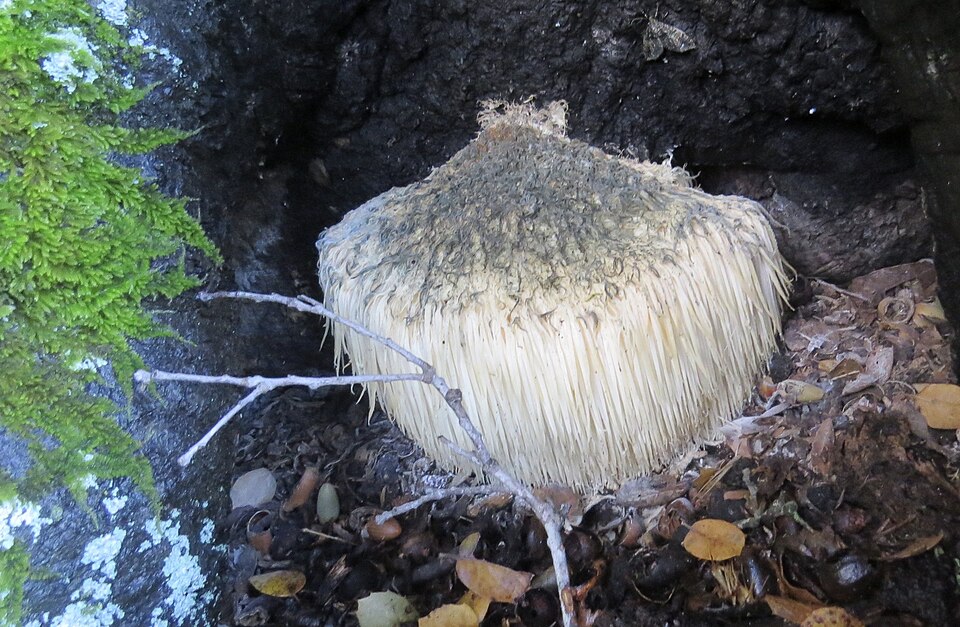
Biological Description and Modern Scientific Context
Lion’s mane mushroom, Hericium erinaceus, is a wood-decomposing basidiomycete fungus characterized by its distinctive cascading spines rather than gills or pores. Fruiting bodies are typically white to cream-colored, forming dense, rounded clusters that can reach 10–30 cm (4–12 in) in diameter under optimal conditions. The spines elongate as the mushroom matures, giving rise to its common name.
Unlike plants, lion’s mane derives nutrients through enzymatic breakdown of lignin, cellulose, and hemicellulose in hardwood substrates. Its mycelium forms extensive networks within wood, where many of the bioactive compounds of interest are synthesized prior to fruiting.
In modern scientific literature, lion’s mane is notable for diterpenoid and aromatic compounds such as hericenones (found primarily in fruiting bodies) and erinacines (found predominantly in mycelium). These compounds are studied for their interaction with nerve growth factor (NGF) expression, neurotrophic signaling pathways, synaptic plasticity, and gut–brain axis modulation. Research consistently frames these effects within nutritional neuroscience and functional food contexts rather than pharmaceutical intervention.
Neurological Research Context
Hericenones and erinacines do not act as direct pharmacological agents in isolation. Their observed effects on NGF expression and neurotrophic pathways are studied within complex biological systems involving gut microbiota, blood–brain barrier permeability, and endogenous neurotrophin regulation. Current research positions these compounds within the framework of functional foods and nutritional neuroscience, not as substitutes for clinical neurological treatment.
Origin, Ecology, and Traditional Use
Lion’s mane is native to temperate forests across North America, Europe, and Asia, where it grows naturally on dead or dying hardwoods such as oak, beech, maple, and walnut.
Historical records from East Asian culinary and medicinal traditions describe lion’s mane as both a valued food mushroom and a tonic ingredient, commonly prepared in soups, teas, and dried powders. Its texture and mild seafood-like flavor made it particularly prized in vegetarian cuisine as a meat substitute.
Traditional use emphasized whole-mushroom preparations and long-duration cooking or decoction, practices that modern analysis suggests enhance extractability of water-soluble polysaccharides and aromatic compounds.
Reproductive Biology, Mycelium, and Life Cycle
Lion’s mane reproduces via spores released from the spines of mature fruiting bodies. Spores germinate to form monokaryotic mycelium, which must mate with compatible strains to form dikaryotic mycelium capable of fruiting.
In cultivation, reproduction is controlled through cloning and sterile culture rather than spore propagation, ensuring genetic consistency and predictable fruiting behavior.
Life Cycle Stages
- Mycelial colonization of substrate
- Full substrate digestion and consolidation
- Fruiting body initiation triggered by environmental cues
- Sporulation and senescence
Substrate Requirements and Nutrition
Lion’s mane grows best on hardwood-based substrates, reflecting its natural ecological niche as a wood-decomposing organism.
Common Substrates
- Hardwood sawdust (oak, beech, maple)
- Hardwood fuel pellets
- Supplemented sawdust blends with wheat bran or soybean hulls (5–20% by weight)
| Parameter | Optimal Range |
|---|---|
| Moisture Content | 60–65% |
| pH | 5.5–6.5 |
| Carbon-to-Nitrogen Ratio | High-carbon, moderate-nitrogen environment |
Substrate Supplementation Note
Excess nitrogen or overly rich substrates increase contamination risk and reduce fruiting quality. Supplementation rates above 20% by weight are generally counterproductive, as they promote competitor mold growth (particularly Trichoderma spp.) while yielding diminishing returns on mushroom biomass.
Environmental Conditions for Cultivation
Lion’s mane can be cultivated indoors, outdoors on logs, or in controlled-environment systems. Precise environmental management is critical during the fruiting phase to produce well-formed specimens with fully developed spines.
Optimal Fruiting Parameters
| Parameter | Optimal Range |
|---|---|
| Fruiting Temperature | 16–22°C (60–72°F) |
| Relative Humidity | 85–95% |
| CO₂ Levels | <800–1,000 ppm for proper spine development |
| Fresh Air Exchange | High; insufficient airflow leads to short spines and dense, deformed growth |
| Light | Low to moderate indirect light (300–1,000 lux) |
| Colonization Temperature | 20–24°C (68–75°F) |
Cultivation Methods and Systems
Indoor Bag Cultivation
The most common small-scale method, using sterilized supplemented sawdust blocks packed into filter-patch bags. Blocks are inoculated with grain spawn, sealed, and allowed to colonize fully before fruiting holes are cut to expose the substrate to fresh air and humidity.
Log Cultivation
Hardwood logs inoculated with spawn and fruited seasonally outdoors. This method is slower but requires lower inputs and produces mushrooms with compound profiles more closely resembling wild specimens.
Bottle or Jar Systems
Used in commercial Asian production for uniform fruiting. Substrate is packed into polypropylene bottles, sterilized, inoculated, and fruited under tightly controlled conditions.
| Parameter | Specification |
|---|---|
| Colonization Time | 14–28 days (depending on substrate density and temperature) |
| Fruiting Initiation | 5–10 days after environmental triggers are applied |
Fruiting, Harvest Timing, and Quality Indicators
Lion’s mane is harvested when spines reach 1–2 cm (0.4–0.8 in) in length and remain firm and white. Timing is critical—the window between peak quality and overmature decline is narrow.
- Overmature mushrooms develop elongated, drooping spines and yellowing, accompanied by increased bitterness and reduced textural quality
- Harvesting is performed by cutting the fruiting body at the base with a clean blade to minimize substrate disturbance
- Multiple flushes are possible from a single substrate block, with second and third flushes typically producing smaller but still viable fruiting bodies
Post-Harvest Handling and Preservation
Fresh lion’s mane has a short shelf life, typically 5–7 days at 1–4°C (34–39°F) with high humidity.
| Method | Conditions | Notes |
|---|---|---|
| Refrigeration | 1–4°C (34–39°F), high humidity | Short-term storage, 5–7 days |
| Drying | ≤45°C (113°F) | Low-temperature dehydration preserves aromatic compounds |
| Freezing | After light cooking | Preserves texture better than raw freezing |
| Powdering | Dried mushrooms milled to fine powder | Long-term storage; stable at room temperature |
Properly dried material should snap cleanly and retain a pale cream color. Any darkening or pliability indicates insufficient dehydration and potential for spoilage.
Processing and Transformation
Processing methods significantly influence the bioactive compound profile of lion’s mane products. Temperature and duration must be carefully managed to balance extraction efficiency with compound stability.
- Drying: Enhances shelf life and concentrates polysaccharides and aromatic compounds
- Dual extraction: Sequential water and alcohol extraction captures both polysaccharides (water-soluble) and diterpenoids (alcohol-soluble)
- Fermentation: Mycelium-based fermentations are used in some systems to enhance erinacine content
- Cooking: Sautéing, roasting, and simmering improve palatability and digestibility
Processing Temperature Sensitivity
Processing temperature and duration significantly influence compound stability. Excessive heat degrades aromatic fractions—particularly hericenones—while insufficient heat fails to fully extract water-soluble beta-glucan polysaccharides. Dual extraction protocols balance these competing requirements by separating water and alcohol phases.
Culinary Use, Intake Forms, and Integration
Lion’s mane is widely used as a whole food due to its dense texture and mild umami profile. Its versatility in the kitchen makes it one of the most approachable culinary mushrooms for home cooks.
Common Culinary Applications
- Pan-searing as a meat or seafood analogue
- Incorporation into soups, broths, and stews
- Shredding for use in patties or dumplings
- Drying and powdering for teas and functional foods
Typical culinary servings range from 50–150 g fresh mushroom per meal. Intake in traditional food systems emphasizes regular, moderate consumption rather than concentrated dosing.
Lipid-based cooking methods—such as sautéing in butter or oil—enhance flavor and improve extraction of fat-soluble aromatic compounds, including the hericenone fraction.
Extraction, Target Compounds, and Preparation Forms
Target Compounds
| Compound Class | Primary Source |
|---|---|
| Hericenones | Primarily in fruiting bodies |
| Erinacines | Concentrated in mycelium |
| β-glucan polysaccharides | Present throughout fruiting body and mycelium |
Home and Small-Scale Methods
- Hot-water decoction: 80–100°C for 1–4 hours — extracts polysaccharides and water-soluble compounds
- Alcohol tincture: 30–70% ethanol over 4–6 weeks — captures hericenones and diterpenoids
- Dual-extracted concentrates: Sequential water then alcohol extraction — broadest compound spectrum
- Powdered whole-mushroom preparations: Dried and milled fruiting body or mycelium-on-grain
Finished extracts are typically amber to dark brown and stored in cool, dark conditions to prevent degradation of light-sensitive and volatile compounds.
System Integration and Additional Considerations
Lion’s mane is well suited to small farms, indoor grow rooms, and backyard systems due to its high value per unit area and relatively forgiving cultivation requirements compared to other specialty mushrooms.
- Spent substrate can be composted or used as soil amendment, closing the nutrient cycle
- Genetic selection, strain choice, and substrate composition significantly influence yield and compound profile
- Consistency in production is a central consideration—strain drift, substrate variability, and environmental fluctuations can all affect both yield and bioactive content
Scientific and Authoritative References
This article is informed by data and conclusions drawn from, but not limited to:
- Mori et al., Biomedical Research
- Kawagishi et al., Phytochemistry
- Friedman, Journal of Agricultural and Food Chemistry
- Stamets, Growing Gourmet and Medicinal Mushrooms
- USDA Forest Products Laboratory reports
- Li et al., International Journal of Medicinal Mushrooms
- Wong et al., Nutrients
- Nagano et al., Mycobiology
- Yang et al., Food & Function
- Wasser, Applied Microbiology and Biotechnology