Compounds
Hericenones & Erinacines: The Nerve Growth Compounds of Lion’s Mane
Scientific guide to hericenones and erinacines from Lion's Mane mushroom (Hericium erinaceus).
On this page
Why Lion’s Mane Is Unique Among Medicinal Mushrooms
Most medicinal mushrooms earn their reputation through immune modulation via beta-glucans. Lion’s Mane (Hericium erinaceus) shares that immunological foundation, but it stands apart because it produces two families of low-molecular-weight compounds, hericenones and erinacines, that can cross the blood-brain barrier and directly stimulate the synthesis of nerve growth factor (NGF). No other commonly available mushroom or food source has demonstrated this capability with comparable potency.
NGF is a neurotrophin, a signaling protein critical for the survival, development, and maintenance of neurons, particularly cholinergic neurons in the basal forebrain that are essential for memory and attention. Declining NGF levels are implicated in Alzheimer’s disease, age-related cognitive decline, and peripheral neuropathies. The ability of Lion’s Mane compounds to boost endogenous NGF production rather than supplying exogenous NGF (which cannot cross the blood-brain barrier) represents a fundamentally different and potentially more effective therapeutic strategy.
Two Compound Families, Two Sources
- Hericenones (A, H): Aromatic compounds found in the fruiting body (the visible mushroom). Chemically, they are cyathane-type diterpenoids conjugated with fatty acid chains. Hericenone C and D are the most potent NGF inducers.
- Erinacines (A, K): Cyathane diterpenoids found primarily in the mycelium (the underground root network). Erinacine A is the most studied and shows the strongest NGF-inducing activity. Erinacines are generally considered more potent than hericenones.
- Key distinction: Hericenones come from fruiting bodies; erinacines come from mycelium. This has significant implications for product sourcing and quality.
Chemical Structure and Classification
Both hericenones and erinacines belong to the cyathane diterpenoid family, characterized by a fused 5-6-7 tricyclic ring system. This structural class is relatively rare in nature and appears to be taxonomically restricted to a small number of fungal genera.
| Property | Hericenones | Erinacines |
|---|---|---|
| Chemical class | Cyathane diterpenoid, fatty acid conjugates | Cyathane diterpenoids (some glycosylated) |
| Source tissue | Fruiting body | Mycelium (cultured) |
| Most active member | Hericenone C, D | Erinacine A |
| Molecular weight | ~470–530 Da | ~350–450 Da |
| BBB penetration | Demonstrated (indirect evidence) | Confirmed in animal models |
| NGF induction potency | Moderate | High (erinacine A: strongest known fungal NGF inducer) |
| Number identified | 8 variants (A, H) | 11+ variants (A, K and beyond) |
Mechanism of Action
NGF Synthesis Stimulation
The primary mechanism by which hericenones and erinacines exert their neurological effects is through upregulation of NGF gene expression in astrocytes, star-shaped glial cells that support neurons throughout the central nervous system. In cell culture studies, erinacine A has been shown to increase NGF mRNA expression and subsequent protein secretion by 5–7 fold compared to untreated controls.
The signaling pathway appears to involve activation of the JNK (c-Jun N-terminal kinase) pathway, which phosphorylates transcription factors that bind to the NGF gene promoter. This results in increased transcription and translation of NGF protein, which is then secreted by astrocytes and binds to TrkA receptors on nearby neurons, activating survival and growth signaling cascades.
BDNF Enhancement
Beyond NGF, Lion’s Mane compounds also appear to enhance brain-derived neurotrophic factor (BDNF), another critical neurotrophin involved in synaptic plasticity, learning, and memory. While the mechanism is less well-characterized than NGF induction, animal studies consistently show elevated hippocampal BDNF levels following Lion’s Mane supplementation, suggesting a broader neurotrophic support profile.
Myelin Synthesis
Erinacine A has demonstrated the ability to promote myelination, the formation of the fatty insulating sheath that wraps nerve fibers and enables rapid signal transmission. In animal models of demyelinating disease, erinacine A treatment accelerated remyelination and improved motor function. This mechanism is particularly relevant for peripheral neuropathies and potentially for multiple sclerosis research.
Anti-inflammatory and Antioxidant Activity
Lion’s Mane compounds reduce neuroinflammation through inhibition of NF-kB signaling and suppression of pro-inflammatory cytokines (TNF-alpha, IL-6) in microglial cells. They also demonstrate antioxidant activity by enhancing endogenous antioxidant enzyme expression (SOD, catalase, glutathione peroxidase), protecting neurons from oxidative stress, a major driver of neurodegenerative disease.
The Neurogenesis Connection
Recent research has expanded beyond neuroprotection to neurogenesis, the creation of entirely new neurons. A 2023 study in the Journal of Neurochemistry identified a novel compound in Lion’s Mane (N-de phenylethyl isohericerin, or NDPIH) that promoted neurite outgrowth through a different pathway than NGF: activation of the ERK1/2 signaling cascade. This suggests Lion’s Mane may contain a broader spectrum of neuroactive compounds beyond the classical hericenone/erinacine families.
Clinical Evidence
| Study | Population | Protocol | Key Findings |
|---|---|---|---|
| Mori et al. (2009) | 30 adults with mild cognitive impairment, ages 50–80 | 250 mg tablets 3x/day (96% dry powder) for 16 weeks | Significant improvement on the Revised Hasegawa Dementia Scale at weeks 8, 12, and 16 vs placebo. Cognitive gains reversed 4 weeks after cessation. |
| Nagano et al. (2010) | 30 menopausal women | Four 500 mg cookies daily for 4 weeks | Significantly reduced depression and anxiety scores on the CES-D and IAS scales compared to placebo cookies. |
| Li et al. (2020) | 77 overweight adults with mild cognitive impairment | 350 mg erinacine A-enriched mycelium 3x/day for 49 weeks | Improved cognitive scores, reduced brain atrophy on MRI, and increased BDNF blood levels vs placebo. |
| Saitsu et al. (2019) | 31 healthy adults aged 50+ | 3.2 g/day fruiting body powder for 12 weeks | Improved cognitive function scores; benefits emerged by week 8 and continued through week 12. |
| Vigna et al. (2019) | 77 patients with mild Alzheimer’s | 1 g/day for 49 weeks | Slowed cognitive decline with significant improvements in IADL scores and lower biomarkers of neuroinflammation. |
A consistent pattern emerges across trials: cognitive benefits require 8–16 weeks of sustained use to manifest, and improvements tend to reverse upon discontinuation. This timeline is consistent with the biological mechanism, NGF-driven neuroplastic remodeling is a slow process requiring sustained neurotrophic support.
Additional Research Areas
- Peripheral neuropathy: Animal studies demonstrate improved nerve conduction velocity and accelerated nerve regeneration following crush injury with erinacine A treatment
- Depression and anxiety: Beyond the Nagano menopausal study, animal models consistently show anxiolytic and antidepressant effects, potentially mediated through hippocampal neurogenesis and BDNF enhancement
- Gastroprotection: Lion’s Mane polysaccharides (distinct from hericenones/erinacines) show protective effects against gastric ulcers and support gut barrier integrity
- Hearing loss: Preliminary animal research suggests erinacines may protect auditory neurons from damage, a novel application area
- Stroke recovery: Animal studies show reduced infarct volume and improved neurological outcomes when erinacine A is administered following ischemic stroke
The Fruiting Body vs. Mycelium Debate
Lion’s Mane presents a unique challenge in the mushroom supplement world because its two primary neuroactive compound families come from different parts of the organism.
Fruiting Body Products
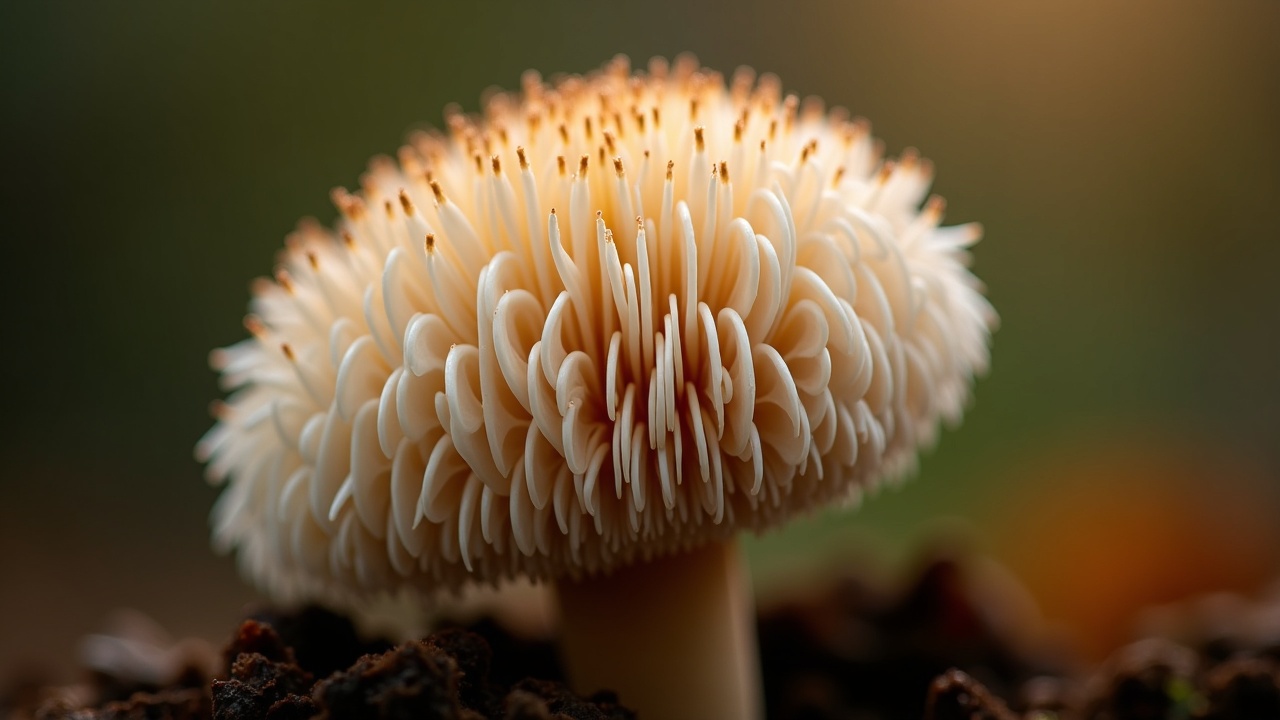
Contain hericenones (A, H) along with beta-glucans, polysaccharides, and other structural compounds. The fruiting body is the visible, cascading white “waterfall” mushroom. Fruiting body extracts are well-characterized and can be standardized to hericenone content. They also provide the immune-modulating beta-glucans found in all medicinal mushrooms.
Mycelium Products
Contain erinacines (A, K), which are generally considered more potent NGF inducers than hericenones. However, most commercial mycelium products are grown on grain substrates, and the final product is a mixture of mycelium and residual grain. This dilutes active compound concentration and introduces alpha-glucans from the grain that have no neurological activity.
The Ideal Approach
For maximum neuroactive potential, the ideal Lion’s Mane supplement would combine a fruiting body extract (standardized for hericenones and beta-glucans) with a purified mycelium extract (standardized for erinacine A content, with grain substrate removed). Some premium products are beginning to offer this dual-extract approach.
Quality Indicators to Look For
When evaluating Lion’s Mane products, look for: (1) specification of fruiting body, mycelium, or dual extract; (2) standardization to hericenone and/or erinacine content with percentage stated; (3) beta-glucan content measured separately from total polysaccharides; (4) third-party certificate of analysis available; (5) for mycelium products, grain content percentage or confirmation of grain substrate removal. Avoid products that list only “polysaccharide content” without specifying beta-glucan percentage.
Dosing and Administration
| Form | Typical Daily Dose | Notes |
|---|---|---|
| Dried fruiting body powder | 1,000–3,000 mg | Traditional approach; moderate hericenone content |
| Hot water extract (fruiting body) | 500–1,000 mg | Concentrated; standardized products preferred |
| Dual extract (water + ethanol) | 500–1,000 mg | Broader compound profile; captures both polar and non-polar actives |
| Erinacine A-enriched mycelium | 1,050 mg (3 x 350 mg) | Based on Li et al. (2020) clinical protocol |
| Fresh mushroom (culinary) | 100–300 g | Bioactive content variable; primarily dietary benefit |
Clinical trials have used treatment periods of 8–49 weeks. The 8-week minimum before cognitive benefits appear is consistently reported, which aligns with the timeline for NGF-driven neuroplastic changes. Continuous use appears necessary to maintain benefits.
Safety Profile
- Excellent tolerability: Lion’s Mane has been consumed as food for centuries in East Asia. Clinical trials report side effect rates comparable to placebo, with mild GI discomfort being the most common complaint
- No known serious adverse effects: No hepatotoxicity, nephrotoxicity, or significant laboratory abnormalities have been reported in clinical trials up to 49 weeks
- Allergy risk: Individuals allergic to mushrooms should avoid Lion’s Mane. Cross-reactivity with other Basidiomycota fungi is possible
- Anticoagulant interaction: Hericenone B has demonstrated in vitro platelet aggregation inhibition. Use caution with anticoagulant or antiplatelet medications
- Immunomodulatory considerations: As with all medicinal mushrooms, theoretical caution applies for autoimmune conditions and immunosuppressive medication users
- Pregnancy and lactation: Insufficient safety data. Traditional use exists but controlled studies are lacking
Connection to Other Nootropics
Lion’s Mane pairs particularly well with other nootropic compounds due to its unique mechanism of action. While racetams and cholinergics enhance neurotransmitter signaling at existing synapses, Lion’s Mane works upstream by promoting the structural growth and survival of the neurons themselves. This makes it complementary to compounds like L-theanine (which modulates neurotransmitter balance), bacopasides from Bacopa (which enhance cholinergic function and dendritic growth), and adaptogenic compounds that reduce neuroinflammatory stress.
References
- Mori, K. et al. “Improving effects of the mushroom Hericium erinaceus on mild cognitive impairment.” Phytotherapy Research, 2009.
- Nagano, M. et al. “Reduction of depression and anxiety by 4 weeks Hericium erinaceus intake.” Biomedical Research, 2010.
- Li, I.C. et al. “Prevention of early Alzheimer’s disease by erinacine A-enriched Hericium erinaceus mycelia.” Frontiers in Aging Neuroscience, 2020.
- Saitsu, Y. et al. “Improvement of cognitive functions by oral intake of Hericium erinaceus.” Biomedical Research, 2019.
- Lai, P.L. et al. “Neurotrophic properties of the Lion’s Mane medicinal mushroom.” International Journal of Medicinal Mushrooms, 2013.
- Chong, P.S. et al. “Therapeutic potential of Hericium erinaceus for depressive disorder.” International Journal of Molecular Sciences, 2020.
- Martínez-Mármol, R. et al. “Hericene A activates neurotrophin signaling to promote neurite outgrowth.” Journal of Neurochemistry, 2023.
Common questions
What is mechanism of action?
NGF Synthesis Stimulation. The primary mechanism by which hericenones and erinacines exert their neurological effects is through upregulation of NGF gene expression in astrocytes, star-shaped glial cells that support neurons throughout the central nervous system. In cell culture studies, erinacine A has been shown to increase NGF mRNA expression and subsequent protein secretion by 5–7 fold compared to untreated controls. The signaling pathway appears to involve activation of the JNK (c-Jun N-terminal kinase) pathway, which phosphorylates transcription factors that bind to the NGF gene promoter.
What is clinical evidence?
(2009) (30 adults with mild cognitive impairment, ages 50–80, 250 mg tablets 3x/day (96% dry powder) for 16 weeks): Significant improvement on the Revised Hasegawa Dementia Scale at weeks 8, 12, and 16 vs placebo. Cognitive gains reversed 4 weeks after cessation. (2010) (30 menopausal women, Four 500 mg cookies daily for 4 weeks): Significantly reduced depression and anxiety scores on the CES-D and IAS scales compared to placebo cookies.
What are additional research areas?
Peripheral neuropathy: Animal studies demonstrate improved nerve conduction velocity and accelerated nerve regeneration following crush injury with erinacine A treatment. Depression and anxiety: Beyond the Nagano menopausal study, animal models consistently show anxiolytic and antidepressant effects, potentially mediated through hippocampal neurogenesis and BDNF enhancement. Gastroprotection: Lion’s Mane polysaccharides (distinct from hericenones/erinacines) show protective effects against gastric ulcers and support gut barrier integrity.
Are lions mane hericenones safe?
Excellent tolerability: Lion’s Mane has been consumed as food for centuries in East Asia. Clinical trials report side effect rates comparable to placebo, with mild GI discomfort being the most common complaint. No known serious adverse effects: No hepatotoxicity, nephrotoxicity, or significant laboratory abnormalities have been reported in clinical trials up to 49 weeks. Allergy risk: Individuals allergic to mushrooms should avoid Lion’s Mane. Cross-reactivity with other Basidiomycota fungi is possible.
What are connection to other nootropics?
Lion’s Mane pairs particularly well with other nootropic compounds due to its unique mechanism of action. While racetams and cholinergics enhance neurotransmitter signaling at existing synapses, Lion’s Mane works upstream by promoting the structural growth and survival of the neurons themselves. This makes it complementary to compounds like L-theanine (which modulates neurotransmitter balance), bacopasides from Bacopa (which enhance cholinergic function and dendritic growth), and adaptogenic compounds that reduce neuroinflammatory stress.