Plants
Marshmallow Root
Grow and use marshmallow root (Althaea officinalis): botany, origin and history, climate needs, cultivation, and harvesting the soothing root.
On this page
Botanical Description
Marshmallow (Althaea officinalis) is a perennial herb in the Malvaceae family, the same family as hibiscus, okra, and cotton. The genus name Althaea derives from the Greek altho, meaning "to heal," which tells you how long this plant has been associated with medicine.
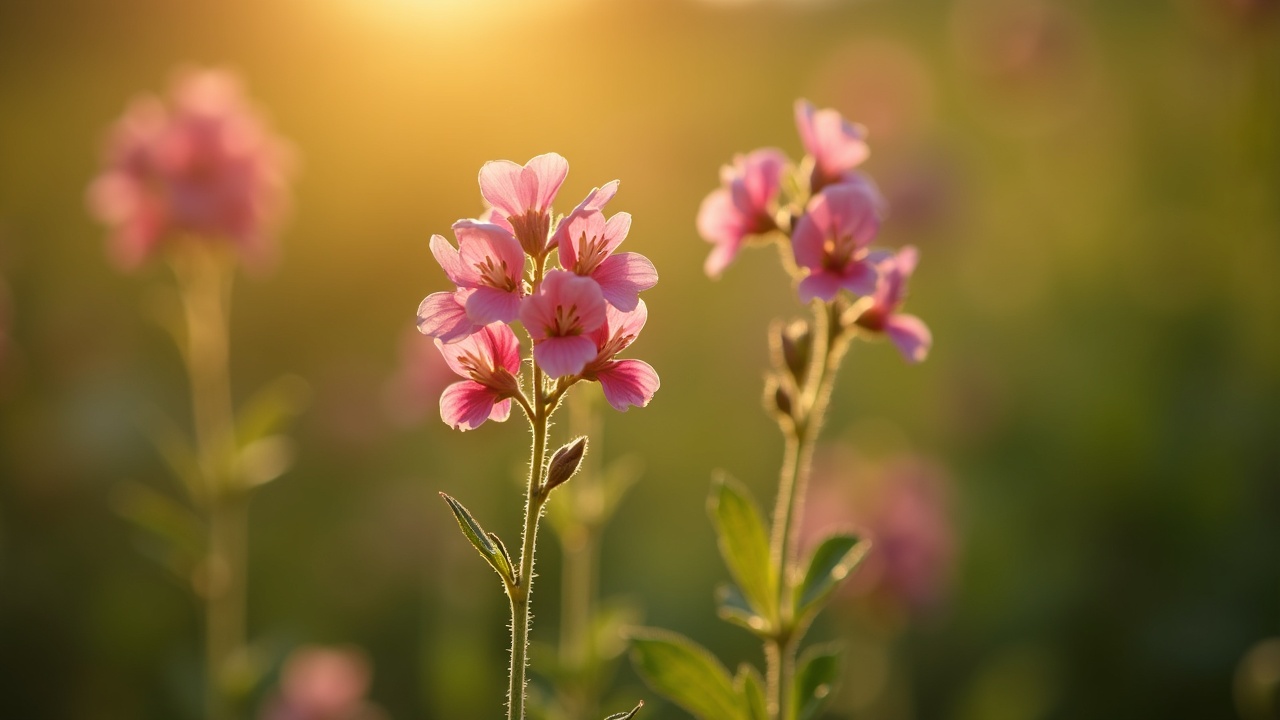
The plant reaches 3-5 feet (0.9-1.5 m) at maturity with soft, velvety leaves and pale pink to white five-petaled flowers. Every above-ground part is covered in fine, stellate hairs that give the plant its characteristic soft texture. The root system is thick, fleshy, and tapered, pale yellow to white when freshly harvested, drying to a fibrous off-white. Root tissue is where mucilage concentrates most densely, though leaves and flowers contain it in lower amounts.
Key compounds include mucilage polysaccharides (galacturonic acid polymers, rhamnogalacturonans), flavonoids (including hypolaetin-8-glucoside), phenolic acids, coumarins, and tannins. The root contains the highest mucilage concentration, up to 35% by dry weight in mature second-year roots. Leaf mucilage content runs 6-9%.
Origin and History
Native to Europe, Western Asia, and North Africa. Found wild in salt marshes, damp meadows, and riverbanks. The common name literally means "marsh mallow," describing its preferred habitat.
Ancient Egyptians mixed marshmallow root with honey and grains as a food and throat soother. The plant appears in Dioscorides' De Materia Medica (1st century CE) as a poultice and internal remedy. Arab physicians used root decoctions for inflammation of the mouth and digestive tract through the medieval period.
The candy connection: 19th-century French pharmacists whipped marshmallow root extract with sugar and egg whites to create pâte de guimauve, a medicinal confection for sore throats. It was effective and pleasant enough that confectioners adopted the format. By the late 1800s, manufacturers replaced the root extract with gelatin and corn starch to cut costs and speed production. The modern marshmallow contains zero marshmallow.
Plant Morphology
Marshmallow is a true perennial, returning from a robust rootstock each spring. Growth habit is upright and branching in the upper third.
Root: Thick, fleshy taproot with lateral branching. White to pale yellow interior. Mucilaginous when cut, fresh root cross-sections feel slippery. Root crown produces multiple stems in established plants.
Stems: Round, erect, 3-5 feet tall. Woody at the base in older plants, herbaceous above. Covered in dense stellate hairs.
Leaves: Alternate, 2-4 inches (5-10 cm), ovate to slightly lobed with three to five shallow lobes. Margins irregularly toothed. Both surfaces softly pubescent. Lower leaves are larger and more deeply lobed than upper leaves.
Flowers: Five-petaled, pale pink to white, 1-2 inches (2.5-5 cm) across. Borne in leaf axils, singly or in small clusters. Bloom period is mid to late summer. Pollinated by bees and other insects.
Seeds: Flat, kidney-shaped, arranged in a ring (schizocarp), breaking apart at maturity. Each fruit contains 15-25 seeds.
Climate Requirements
| Parameter | Range / Tolerance |
|---|---|
| USDA Hardiness Zones | 3–9 |
| Light | Full sun to partial shade |
| Soil | Moist, fertile, well-drained; pH 6.0–7.0 |
| Moisture | High; tolerates brackish, marshy conditions |
| Spacing | 18–24 inches |
Hardy across USDA zones 3-9. Tolerates a wide temperature range, established roots survive hard freezes, and the plant handles summer heat if soil moisture is adequate.
- Temperature: Grows actively between 10-30°C (50-86°F). Roots overwinter reliably under mulch or snow cover.
- Light: Full sun to partial shade. Six or more hours of direct sun produces the best root development.
- Humidity: Tolerates moderate to high humidity. The plant evolved in marsh edges and damp lowlands.
- Water: Consistent moisture is the single most important requirement. Unlike most herbs that prefer dry conditions, marshmallow wants moist to wet soil. It will grow in average garden conditions but produces significantly more mucilage in consistently moist ground.
Soil and Fertility
Marshmallow is not fussy about soil type but responds strongly to moisture retention and moderate fertility.
- pH: 5.5-8.0 (tolerant range), 6.0-7.0 (optimal).
- Texture: Loam or clay-loam preferred. Sandy soils work if irrigation is consistent. Heavy clay is tolerated if not waterlogged during winter dormancy.
- Organic matter: Moderate to high. Compost-amended beds improve water retention and root development.
- Fertility: Light feeder. Excess nitrogen pushes leaf growth at the expense of root mucilage concentration. A single application of balanced compost at planting is sufficient. Do not fertilize heavily.
- Drainage: Moist but not stagnant. The plant tolerates brief flooding but root rot develops in persistently waterlogged soil during dormancy.
The natural habitat, periodically flooded meadows with rich, silty soil, tells you what the plant optimizes for. Replicate that: moist, moderately fertile, good structure.
Propagation
From seed: Stratify seeds for 4-6 weeks at 1-5°C (34-41°F) to break dormancy. Surface sow or barely cover. Seeds need light for germination. Germination occurs in 14-21 days at 15-20°C (59-68°F). Start indoors 6-8 weeks before last frost or direct sow in early spring after stratification.
From root division: Divide established clumps in early spring or fall. Each division needs at least one growing point (bud) and a section of root. This is the faster method for establishing production plots.
From cuttings: Semi-hardwood stem cuttings taken in summer root with moderate success under mist or humidity domes. Not the primary propagation method but useful for clonal consistency.
Spacing: 18-24 inches (45-60 cm) between plants. The plant spreads moderately by root expansion but is not aggressive.
Growth Cycle and Harvest
Year one: Seedlings establish a root system and produce a modest leaf canopy. Roots are too small for harvest. Focus is establishment. Keep soil moist, suppress weed competition.
Year two: Plants reach full height, flower, and set seed. Root mass increases substantially. Fall of the second year is the primary harvest window for roots. Mucilage content peaks after the aerial parts die back and the plant moves stored energy to the root system.
Harvest timing for roots: After first frost in the second year, when above-ground growth has died back. Dig carefully. The roots are deep and break easily. A garden fork works better than a spade. Shake off soil, wash immediately.
Harvest for leaves: Leaves can be harvested throughout the growing season once the plant is established. Take no more than one-third of the canopy at a time. Leaf mucilage content is lower than root but still useful for milder preparations.
Harvest for flowers: Pick flowers as they open during summer bloom. Dry immediately. Flowers contain the lowest mucilage concentration but contribute flavonoids.
Yield: A well-grown second-year plant yields 200-400 g of fresh root. Dry weight is roughly 30-40% of fresh weight.
Post-Harvest Handling
Roots: Wash thoroughly to remove all soil. Slice lengthwise into strips or cut into 1-2 cm pieces while fresh. Dried root is extremely hard to cut. Dry at low temperature, below 40°C (104°F), with good airflow. Higher temperatures degrade mucilage. Drying takes 3-7 days depending on conditions. Properly dried root is hard, fibrous, and off-white to pale gray.
Leaves: Spread in thin layers on drying racks. Shade-dry or use a dehydrator below 35°C (95°F). Fully dried leaves are brittle and retain a pale green color. Dark or brown leaves indicate over-handling or heat damage.
Flowers: Dry immediately after harvest in thin single layers. Extremely delicate, handle minimally. Dried flowers darken slightly but should retain recognizable form.
Storage: All dried material stores in airtight containers away from light and moisture. Cool, dark location. Properly stored root retains potency for 1-2 years. Leaves and flowers degrade faster. Use within one year.
Processing and Preservation
Cold water extract (primary method): 5-7 g dried root per 250 ml room-temperature water. Steep 4-8 hours or overnight. Strain through cheesecloth. The result should be visibly viscous. Use within 24 hours refrigerated.
Tincture: 1:5 ratio in 25-40% ethanol. Macerate 4-6 weeks, shaking daily. Mucilage does not extract well into alcohol, tinctures capture flavonoids, phenolics, and some polysaccharides but miss the full demulcent effect. Tincture is a complement to cold extract, not a replacement.
Decoction (limited use): Simmering root in water for 15-20 minutes extracts some mucilage but breaks down the high-molecular-weight polysaccharides that produce the strongest demulcent action. If you need a warm preparation, brew a cold extract first, then gently warm it without boiling.
Powdered root: Dried root ground to fine powder. Used in capsules, poultices, and as a thickener. Retains mucilage capacity. Add water to reconstitute.
Oil infusion: Dried root infused in carrier oil (olive, almond) over 4-6 weeks. Used externally for skin irritation and minor wounds. Mucilage does not extract into oil, the infusion captures lipophilic compounds only.
Syrup: Cold extract combined with honey (1:1 by volume). Extends shelf life to 2-3 months refrigerated. Traditional throat-soothing format.
Functional Compounds
Mucilage polysaccharides (25-35% of dry root weight): High-molecular-weight chains including rhamnogalacturonans, arabinogalactans, and glucans. These hydrate in water to form a viscous gel that coats mucous membranes on contact. The mechanism is physical. The gel creates a barrier between irritated tissue and irritants (stomach acid, dry air, food particles). This is demulcent action. It works in the throat, esophagus, stomach, intestinal lining, and urinary tract.
Flavonoids (hypolaetin-8-glucoside, isoscutellarein, kaempferol): Antioxidant compounds. Present in leaves and flowers at higher concentrations than root. Contribute to the plant's traditional use in topical skin preparations.
Phenolic acids: Caffeic acid, vanillic acid, p-coumaric acid. General antioxidant activity. Extracted in both water and alcohol.
Pectin: Contributes to the gel-forming property of root extracts. Works synergistically with mucilage polysaccharides.
Tannins (low concentration): Minor astringent contribution. Present at levels too low to counteract the dominant demulcent effect.
Safety and Use Boundaries
Marshmallow root has an excellent safety profile across historical and modern use. The European Medicines Agency classifies it as a traditional herbal medicinal product with well-established use.
Cycling protocol: Use for 2-3 weeks, then pause for 1 week. Persistent daily use of concentrated demulcent preparations may reduce nutrient absorption by chronically coating the intestinal lining. Cycling prevents this.
Drug interaction timing: Mucilage coatings can slow or reduce absorption of oral medications. Take marshmallow preparations at least 2 hours before or after pharmaceutical drugs. This is a physical interaction, not a chemical one, the gel barrier simply delays contact between medication and intestinal tissue.
Pregnancy and nursing: Traditional use suggests safety, but concentrated root preparations lack modern controlled studies in pregnant populations. Mild leaf tea is generally considered low-risk. Consult a qualified practitioner for concentrated root extracts during pregnancy.
Blood sugar: Some evidence suggests marshmallow root extract may lower blood glucose levels. Diabetics using insulin or oral hypoglycemics should monitor blood sugar if using marshmallow root regularly.
Allergies: Rare. Cross-reactivity with other Malvaceae plants (hibiscus, okra) is theoretically possible but poorly documented.
Not a substitute for medical treatment. Marshmallow root soothes symptoms. It does not treat infections, ulcers, or structural damage. Persistent throat pain, blood in urine, or unresolved digestive issues require professional evaluation.
System Integration
Marshmallow integrates well into moist-zone perennial polyculture systems. Plant alongside other moisture-loving species: comfrey, meadowsweet, mint, bee balm. It functions as a mid-canopy perennial in food forest edges near water features or low-lying areas.
Pollinator value: Summer flowers attract bees and beneficial insects. Not a primary nectar source but a useful supplemental bloom.
Soil function: Deep taproots access subsoil moisture and nutrients, cycling minerals to the surface via leaf drop. The plant tolerates and helps stabilize wet, marginal ground.
Companion considerations: Avoid planting near species that require dry conditions. Marshmallow's moisture needs conflict with Mediterranean herbs (rosemary, lavender, thyme). Good companions include elderberry, willows, native sedges, and other riparian species.
Rotation: In production beds, rotate marshmallow to a new location every 3-4 years to prevent soil pathogen buildup and maintain root yields.
References
- Al-Snafi AE. 2013. The pharmaceutical importance of Althaea officinalis and Althaea rosea: a review. International Journal of PharmTech Research. 5(3):1378-1385.
- Deters AM, Zippel J, Hellenbrand N, Pappai D, Steinmeyer CL, Hensel A. 2010. Aqueous extracts and polysaccharides from marshmallow roots (Althaea officinalis L.): cellular internalization and stimulation of cell physiology of human epithelial cells in vitro. Journal of Ethnopharmacology. 127(1):62-69. doi:10.1016/j.jep.2009.09.040
- Sutovska M, Nosalova G, Sutovsky J, Franova S, Prisenznakova L, Capek P. 2009. Possible mechanisms of dose-dependent cough suppressive effect of Althaea officinalis rhamnogalacturonan in guinea pigs test system. International Journal of Biological Macromolecules. 45(1):27-32. doi:10.1016/j.ijbiomac.2009.03.012
- Bonaterra GA, Heinrich EU, Kelber O, Weiser D, Metz J, Kinscherf R. 2010. Anti-inflammatory effects of the willow bark extract STW 33-I (Proaktiv) in LPS-activated human monocytes and differentiated macrophages. Phytomedicine. 17(14):1106-1113. doi:10.1016/j.phymed.2010.03.022
- European Medicines Agency. 2016. European Union herbal monograph on Althaea officinalis L., radix. EMA/HMPC/436680/2015.
- Hage-Sleiman R, Mroueh M, Daher CF. 2011. Pharmacological evaluation of aqueous extract of Althaea officinalis flower grown in Lebanon. Pharmaceutical Biology. 49(3):327-333. doi:10.3109/13880209.2010.516754
- Wichtl M. 2004. Herbal Drugs and Phytopharmaceuticals. 3rd ed. Medpharm Scientific Publishers, Stuttgart.
Tags
- topic: marshmallow-root, medicinal-herbs, demulcent, mucilage, malvaceae, perennial-herbs
- type: cultivation-guide, processing-guide, ethnobotany
- audience: home-growers, herbalists, market-gardeners
- plant-species: Althaea officinalis (marshmallow)
- zone: zones-3-9
Research on marshmallow root
Peer reviewed studies about marshmallow root, listed so you can read the original rather than take our word for it. They are background on the subject, not a source for any one sentence above.
- Development and evaluation of novel lozenges containing marshmallow root extract. (2013). read the study
- Marshmallow Root Extract for the Treatment of Irritative Cough: Two Surveys on Users' View on Effectiveness and Tolerability (2018). doi:10.1159/000489560
- The Toxicological Assessment of Content and Exposure of Heavy Metals (Pb and Cd) in Traditional Herbal Medicinal Products with Marshmallow Root (Althaea officinalis L., radix) from Polish Pharmacies (2022). doi:10.3390/toxics10040188
- A randomized, open-label, multicenter, comparative study of therapeutic efficacy, safety and tolerability of BNO 1030 extract, containing marshmallow root, chamomile flowers, horsetail herb, walnut leaves, yarrow herb, oak bark, dandelion herb in the treatment of acute non-bacterial tonsillitis in children aged 6 to 18 years (2018). doi:10.1016/j.amjoto.2018.10.012
- Microwave-assisted extraction of polysaccharides from the marshmallow roots: Optimization, purification, structure, and bioactivity (2020). doi:10.1016/j.carbpol.2020.116301
Common questions
What is botanical description?
Marshmallow ( Althaea officinalis ) is a perennial herb in the Malvaceae family, the same family as hibiscus, okra, and cotton. The genus name Althaea derives from the Greek altho , meaning "to heal," which tells you how long this plant has been associated with medicine. The plant reaches 3-5 feet (0.9-1.5 m) at maturity with soft, velvety leaves and pale pink to white five-petaled flowers. Every above-ground part is covered in fine, stellate hairs that give the plant its characteristic soft texture.
What has marshmallow root traditionally been used for?
Native to Europe, Western Asia, and North Africa. Found wild in salt marshes, damp meadows, and riverbanks. The common name literally means "marsh mallow," describing its preferred habitat. Ancient Egyptians mixed marshmallow root with honey and grains as a food and throat soother. The plant appears in Dioscorides' De Materia Medica (1st century CE) as a poultice and internal remedy.
What is plant morphology?
Marshmallow is a true perennial, returning from a robust rootstock each spring. Growth habit is upright and branching in the upper third. Root: Thick, fleshy taproot with lateral branching. White to pale yellow interior. Mucilaginous when cut, fresh root cross-sections feel slippery.
What climate does marshmallow root tolerate?
Hardy across USDA zones 3-9. Tolerates a wide temperature range, established roots survive hard freezes, and the plant handles summer heat if soil moisture is adequate. Temperature: Grows actively between 10-30°C (50-86°F). Roots overwinter reliably under mulch or snow cover. Light: Full sun to partial shade.
What soil does marshmallow root need?
Marshmallow is not fussy about soil type but responds strongly to moisture retention and moderate fertility. pH: 5.5-8.0 (tolerant range), 6.0-7.0 (optimal). Texture: Loam or clay-loam preferred. Sandy soils work if irrigation is consistent. Heavy clay is tolerated if not waterlogged during winter dormancy.
How do I propagate marshmallow root?
From seed: Stratify seeds for 4-6 weeks at 1-5°C (34-41°F) to break dormancy. Surface sow or barely cover. Seeds need light for germination. Germination occurs in 14-21 days at 15-20°C (59-68°F). Start indoors 6-8 weeks before last frost or direct sow in early spring after stratification.
When should I harvest marshmallow root?
Year one: Seedlings establish a root system and produce a modest leaf canopy. Roots are too small for harvest. Keep soil moist, suppress weed competition. Year two: Plants reach full height, flower, and set seed. Root mass increases substantially.
What can I make from marshmallow root?
Cold water extract (primary method): 5-7 g dried root per 250 ml room-temperature water. Steep 4-8 hours or overnight. Strain through cheesecloth. The result should be visibly viscous. Use within 24 hours refrigerated.
What is the active compound in marshmallow root?
Mucilage polysaccharides (25-35% of dry root weight): High-molecular-weight chains including rhamnogalacturonans, arabinogalactans, and glucans. These hydrate in water to form a viscous gel that coats mucous membranes on contact. The mechanism is physical. The gel creates a barrier between irritated tissue and irritants (stomach acid, dry air, food particles). This is demulcent action.
Is marshmallow root safe?
Marshmallow root has an excellent safety profile across historical and modern use. The European Medicines Agency classifies it as a traditional herbal medicinal product with well-established use. Cycling protocol: Use for 2-3 weeks, then pause for 1 week. Persistent daily use of concentrated demulcent preparations may reduce nutrient absorption by chronically coating the intestinal lining. Drug interaction timing: Mucilage coatings can slow or reduce absorption of oral medications.
What is system integration?
Marshmallow integrates well into moist-zone perennial polyculture systems. Plant alongside other moisture-loving species: comfrey, meadowsweet, mint, bee balm. It functions as a mid-canopy perennial in food forest edges near water features or low-lying areas. Pollinator value: Summer flowers attract bees and beneficial insects. Not a primary nectar source but a useful supplemental bloom.