guides
Passionflower & Passionfruit (Passiflora edulis, P. incarnata): Comprehensive Cultivation, Processing, and Use Guide
Complete guide to passionflower and passionfruit cultivation covering Passiflora edulis and incarnata, growing parameters, propagation, trellising.
Botanical Description and Modern Scientific Context
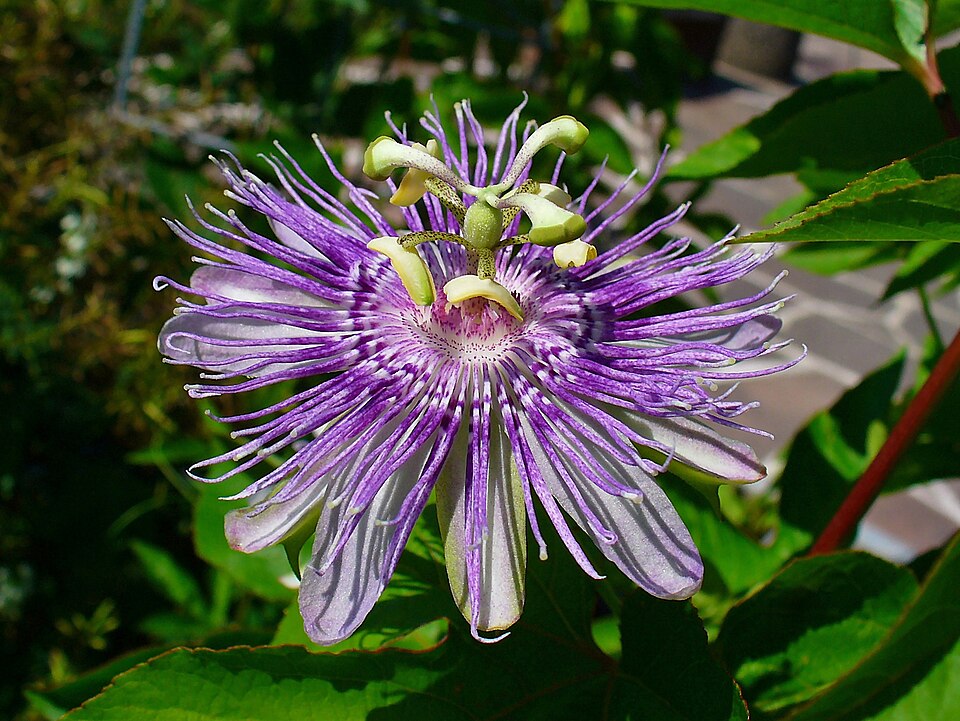
Passionflower refers to a large genus (Passiflora) comprising over 500 species of perennial vines, shrubs, and herbaceous plants. Two groups are most relevant in cultivation: Passiflora edulis and related species grown for edible fruit (passionfruit), and Passiflora incarnata and allied species traditionally used for leaf and flower biomass. Passionfruit vines are vigorous, climbing plants with tendrils, deeply lobed leaves, and complex, highly specialized flowers characterized by a corona of filaments, radial symmetry, and prominent reproductive structures.
The fruit is a berry with a tough rind enclosing aromatic pulp and numerous black seeds. Depending on species and cultivar, fruit size ranges from golf-ball to large egg-sized, with yellow or purple skin and bright orange to golden pulp.
In modern scientific literature, Passiflora species are discussed for a diverse phytochemical profile that includes flavonoids (notably vitexin, isovitexin, orientin, and chrysin in aerial parts), alkaloids (β-carbolines in trace amounts), aromatic esters, organic acids, and seed-derived lipids. These compounds are studied for their interaction with GABAergic signaling, stress-response pathways, smooth muscle modulation, gut–brain axis communication, and oxidative balance, consistently framed within nutritional and botanical research rather than pharmaceutical intervention.
Phytochemical Distribution
The primary bioactive compounds in Passiflora are not uniformly distributed: flavonoids such as vitexin and chrysin concentrate in the leaves and flowers, while the fruit pulp is rich in aromatic esters, organic acids, and carotenoids. Seed oil contains significant linoleic acid. This distinction is important when selecting plant material for specific processing or extraction goals.
Origin, Domestication, and Historical Use
Passiflora species are native primarily to Central and South America, with secondary centers of diversity in North America and parts of Southeast Asia. Passiflora edulis originated in southern Brazil and Paraguay, while Passiflora incarnata is native to the southeastern United States.
Indigenous cultures cultivated passionfruit for its aromatic pulp and preserved it through fermentation or concentration. Leaves and flowers of certain species were traditionally prepared as infusions or decoctions, often used seasonally rather than continuously.
Following European contact, Passiflora spread rapidly through tropical and subtropical regions. Passionfruit became a commercial crop in Australia, Africa, South America, and later Hawaii, while passionflower (non-fruiting species) entered European herbal traditions in the 18th and 19th centuries.
Dual-Use Heritage
Passionflower has a uniquely split cultivation history: fruit-bearing species (P. edulis) were developed as commercial food crops, while non-fruiting or low-fruit species (P. incarnata) were cultivated primarily for their aerial parts in herbal traditions. This dual lineage means species and cultivar selection is critical for growers targeting either fruit production or leaf and flower biomass.
Flower Structure, Pollination, and Reproductive Biology
Passiflora flowers are among the most structurally complex in flowering plants, featuring a raised androgynophore supporting anthers and stigmas above the corona. This architecture enforces cross-pollination.
Pollination is carried out by large bees, carpenter bees, butterflies, and hummingbirds, depending on species. Some cultivars of P. edulis are self-fertile, while others require cross-pollination for consistent fruit set.
Seeds are viable and readily germinate, though commercial and small-farm systems typically rely on vegetative propagation to preserve cultivar traits.
Pollinator Dependence
Yield in passionfruit is strongly tied to pollinator activity. In enclosed growing systems, greenhouses, or areas with low pollinator populations, hand pollination is commonly practiced to ensure consistent fruit set. Encouraging native bee populations through companion planting and habitat preservation directly improves productivity.
Seed, Fruit, and Propagation Material
Passionfruit seeds are small, black, hard-coated, and embedded in gelatinous pulp. Germination is erratic due to dormancy and variable seed coat permeability.
Seed Propagation Parameters
| Parameter | Specification |
|---|---|
| Scarification | Light abrasion or fermentation improves germination |
| Germination Temperature | 22–28°C (72–82°F) |
| Time to Emergence | 2–6 weeks |
Vegetative Propagation via Cuttings
| Parameter | Specification |
|---|---|
| Cutting Length | 15–30 cm (6–12 in) |
| Nodes per Cutting | 2–4 |
| Rooting Temperature | 22–26°C (72–79°F) |
| Relative Humidity | 70–90% |
Climate Adaptation and Environmental Requirements
Passionfruit performs best in USDA zones 9–11, though P. incarnata tolerates zones 6–9 with winter dieback.
| Parameter | Optimal Range |
|---|---|
| Growing Season Temperature | 20–30°C (68–86°F) |
| Cold Sensitivity | Growth slows below 10°C (50°F); frost damages vines |
| Sunlight | Full sun to light shade (6–8+ hours) |
| Relative Humidity | 50–80% |
| Annual Rainfall / Irrigation | 900–1,800 mm (35–71 in) annually |
Excessive heat without moisture reduces flowering, while prolonged wet conditions increase fungal disease pressure.
Soil Preferences, Fertility, and Root Zone Management
Passiflora prefers well-drained loam or sandy loam soils with high organic matter and a pH range of 5.5–6.8.
Nutrient Requirements
Nutrient demands are moderate to high due to rapid vine growth and extended fruiting seasons.
| Nutrient | Role | Notes |
|---|---|---|
| Nitrogen (N) | Supports vegetative growth | Excess reduces flowering |
| Phosphorus (P) | Root development & floral initiation | Important during establishment |
| Potassium (K) | Fruit set, pulp yield & sugar accumulation | Critical for fruit quality |
| Calcium (Ca) | Vine strength & flower retention | Supports structural integrity |
| Magnesium & Iron | Chlorophyll production | Often limiting in high-pH soils |
Training Systems, Pruning, and Structural Support
Passionfruit vines require strong support systems for optimal growth and production. Common training structures include:
- Trellises with horizontal wires
- Arbors or pergolas
- Fence-based systems
Vines are trained to a main leader, then allowed to branch laterally. Fruit is borne primarily on current-season growth arising from mature wood.
Pruning is performed annually or biannually to remove old, unproductive wood, improve airflow, and stimulate new fruiting shoots.
Trellising Best Practices
Sturdy, well-anchored trellis systems are essential. Passionfruit vines are heavy when laden with fruit, and inadequate support leads to vine collapse, reduced airflow, and increased disease pressure. A T-bar trellis with two to three horizontal wires at 1.5–2 m height is commonly used in commercial production.
Growth Cycle, Flowering, and Yield Dynamics
Vines typically begin flowering 6–12 months after planting from cuttings. Flowering occurs in warm seasons, with fruit developing 60–90 days after pollination.
Mature vines commonly produce 20–50 lb (9–23 kg) of fruit per plant annually under favorable conditions.
| Growth Stage | Timeline |
|---|---|
| Planting to First Flower | 6–12 months (from cuttings) |
| Pollination to Harvest | 60–90 days |
| Productive Vine Lifespan | 3–7 years |
| Annual Yield (Mature Vine) | 20–50 lb (9–23 kg) |
Harvest Timing and Quality Indicators
Passionfruit is harvested when fruit changes color fully and either detaches naturally or is easily removed from the vine.
| Quality Indicator | Target |
|---|---|
| Soluble Solids | 13–20 °Brix depending on cultivar |
| Aroma | Strong, tropical fragrance |
| Rind Condition | Slight wrinkling indicates peak sweetness |
Fruit does not significantly increase sugar after harvest but continues aromatic development for several days.
Post-Harvest Handling and Storage
Fresh passionfruit requires careful handling to preserve quality and extend shelf life.
| Parameter | Specification |
|---|---|
| Storage Temperature | 7–10°C (45–50°F) |
| Relative Humidity | 85–90% |
| Shelf Life | 2–4 weeks |
Storage Cautions
Lower temperatures cause chilling injury, while high humidity without adequate airflow increases mold risk. Maintain consistent conditions within the specified ranges for optimal shelf life.
Processing, Preservation, and Transformation
Passionfruit lends itself to a wide range of processing methods, each targeting different components and end products.
| Method | Description | Notes |
|---|---|---|
| Fresh Pulp Extraction | Seeds separated mechanically; pulp used fresh or frozen | Preserves volatile aromatics |
| Freezing | Pulp freezes well with minimal flavor loss | Excellent long-term storage |
| Juicing | Often blended due to high acidity | Commonly diluted or combined |
| Fermentation | Wines, vinegars, and cultured beverages | Traditional preservation method |
| Drying | Pulp and peel dried at low temperatures | Produces powders and extracts |
| Seed Oil Extraction | Cold-pressed from seeds | Rich in linoleic acid |
Heat processing concentrates sugars and aromatics but reduces vitamin C content.
Culinary Use, Intake Forms, and Integration
Passionfruit is consumed fresh, blended, fermented, or concentrated. Its intense acidity and aroma make it a flavor accent rather than a bulk fruit.
Common Culinary Applications
- Fresh pulp over desserts or yogurt
- Beverages and smoothies
- Sauces, syrups, and curds
- Fermented drinks and vinegars
Typical servings range from 30–100 g pulp per use. Seeds are edible and contribute texture and lipids.
Passionflower Aerial Parts: Processing and Use Context
Leaves and flowers of P. incarnata and related species are harvested during flowering for their distinct phytochemical profile.
Processing Methods
- Air drying: ≤40°C (104°F) — preserves flavonoid integrity
- Hot-water infusions: standard preparation for leaf and flower material
- Alcohol extractions: 30–60% ethanol — broader compound spectrum
Target compounds include flavonoids and trace alkaloids, primarily located in leaves and flowers rather than fruit.
Species Selection for Aerial Parts
Not all Passiflora species are appropriate for leaf and flower use. P. incarnata is the species most documented in ethnobotanical and scientific literature for aerial part processing. Always verify species identity before harvesting plant material for infusion or extraction.
System Integration and Additional Considerations
Passionfruit vines are short-lived (3–7 years) but highly productive during peak years. Planning for successive plantings ensures continuous production.
- Pollinator presence significantly influences yield; hand pollination is used in enclosed systems
- Species and cultivar selection is critical, as not all Passiflora are edible or appropriate for dual fruit/leaf use
- Vine replacement should be planned on a 3–5 year rotation cycle for sustained production
Dual-Purpose Cultivation
Growers interested in both fruit production and leaf/flower biomass should carefully research cultivar characteristics. P. edulis is optimized for fruit, while P. incarnata is preferred for aerial parts. Interplanting both species can provide diversified harvests but requires separate management strategies for each.
Scientific and Authoritative References
This article is informed by data and conclusions drawn from, but not limited to:
- Dhawan et al., Journal of Ethnopharmacology
- Zeraik et al., Food Research International
- He et al., Journal of Agricultural and Food Chemistry
- USDA Crop Profile: Passionfruit
- Coe et al., Horticultural Reviews
- Ulmer & MacDougal, Passiflora: Passionflowers of the World
- EFSA Botanical Monographs on Passiflora
- Joy et al., Scientia Horticulturae
- Konczak & Roulle, Food Chemistry
- Morton, Fruits of Warm Climates