Growing
Raised Bed Gardening: Soil Mixes, Deer Fencing, Sunlight Planning, and Bed Construction
Complete guide to raised bed gardening covering soil mixes by growing zone, deer fencing solutions, sunlight requirements, bed construction materials.
On this page
Why Raised Beds Work
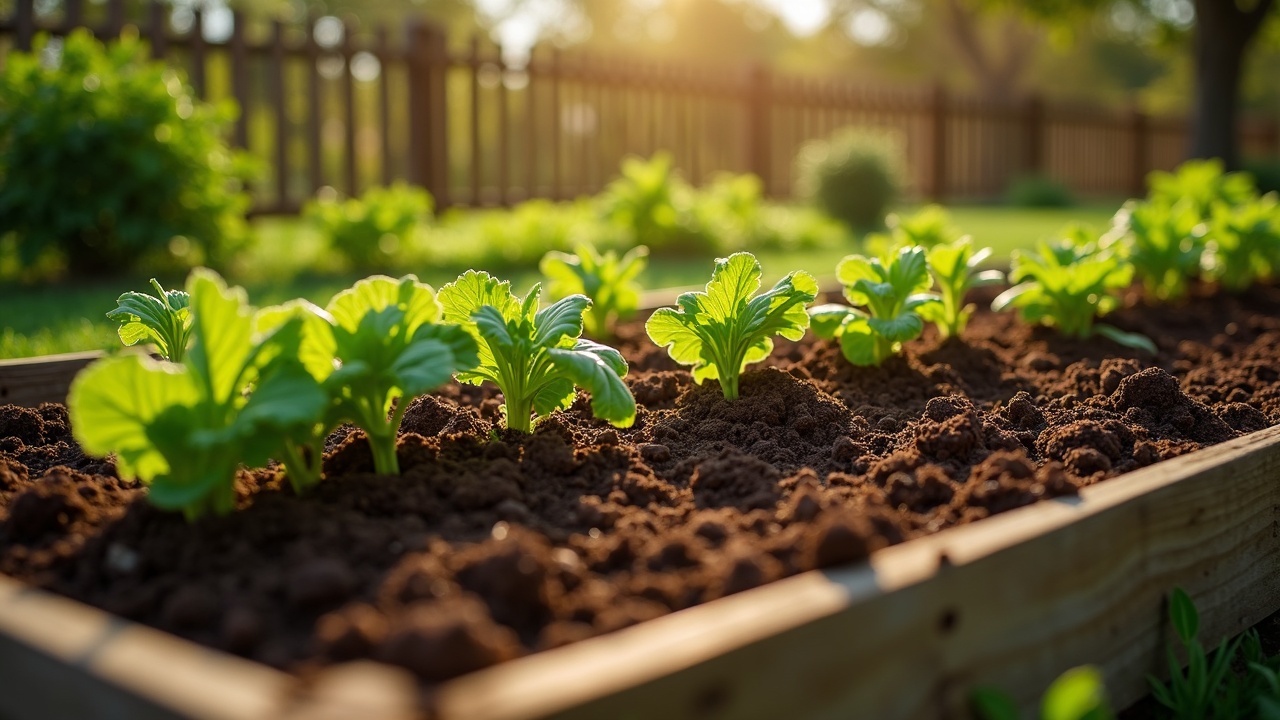
Raised bed gardening solves several of the most common problems that ground gardeners face. By elevating the growing surface and filling beds with a custom soil mix, you bypass native soil issues like heavy clay, rocky substrates, poor drainage, and contamination. Raised beds warm up faster in spring, drain more predictably, and allow you to garden intensively in a small footprint. They are also easier on the back and knees, and create clean visual boundaries that keep gardens organized and accessible.
The tradeoff is cost. You are purchasing or building frames and buying soil by the cubic yard. A well-planned raised bed system, however, pays for itself within two to three growing seasons through higher yields per square foot, lower weed pressure, and reduced water use compared to poorly managed ground gardens.
Soil Mixes for Raised Beds
The soil you put in a raised bed is the most important investment you will make. Unlike ground gardening, where you amend what nature gives you, raised beds let you start with an ideal growing medium from day one.
The Classic Mix: Mel’s Mix
The most widely recommended starting formula is equal parts (by volume) compost, peat moss (or coconut coir), and coarse vermiculite. This creates a lightweight, well-draining, nutrient-rich medium that supports virtually any vegetable, herb, or flower. The compost provides nutrients and biology, the peat or coir retains moisture, and the vermiculite prevents compaction while maintaining aeration.
Budget Alternative: Native Soil Blend
If purchasing pure Mel’s Mix for large beds is cost-prohibitive, blend 50% screened native topsoil with 30% compost and 20% coarse perlite or aged bark fines. This reduces cost significantly while still providing better structure and fertility than raw native soil alone. The key is screening the topsoil to remove rocks, roots, and clumps.
| Mix Type | Components | Cost per Cu. Yard | Best For |
|---|---|---|---|
| Mel’s Mix | 1/3 compost, 1/3 peat/coir, 1/3 vermiculite | $80–$150 | Vegetables, herbs, intensive planting |
| Budget blend | 50% topsoil, 30% compost, 20% perlite | $40–$70 | General gardening, larger beds |
| Hugelkultur core | Logs/branches bottom, compost/soil top 12” | $20–$40 | Perennials, shrubs, long-term beds |
| Acid-loving mix | 40% peat, 30% pine bark, 20% compost, 10% sand | $60–$100 | Blueberries, azaleas, rhododendrons |
Zone-Specific Considerations
Your growing zone affects soil mix choices more than most guides acknowledge. In cold zones (3–5), raised beds freeze solid in winter. Use deeper beds (12–18 inches) to insulate root zones, and consider adding extra compost in fall as a thermal blanket. In hot zones (8–10), beds dry out rapidly; increase the coir or peat proportion to 40% and mulch heavily to slow evaporation. In zones 6–7, the standard mixes work well with minimal modification.
| Parameter | Range / Tolerance |
|---|---|
| Soil pH | 6.0–7.0 |
| Soil Temperature (Transplanting) | 60–70°F |
| Bed Spacing (Walkways) | 18–24 inches |
Annual Soil Maintenance
Raised bed soil settles 1–3 inches per year as organic matter decomposes. Each spring, add fresh compost to bring beds back to their original level. Every 3–4 years, consider a complete refresh of the top 6 inches if yields decline despite regular feeding. A yearly soil test prevents nutrient imbalances from accumulating.
Deer Fencing Solutions
Deer are the most common large-animal threat to gardens across most of North America. They can devastate a raised bed garden overnight, eating everything from lettuce to tomato plants to the bark of young fruit trees. Effective deer fencing is not a luxury, it is essential infrastructure.
Height Requirements
White-tailed deer can clear a 6-foot fence without difficulty. For reliable exclusion, your fence must be at least 7.5 feet tall, or use a slanted design where a 5-foot fence angles outward at 45 degrees (deer cannot judge the combination of height and depth). The double-fence approach, two 4-foot fences spaced 4 feet apart, also works, since deer will not jump both width and height simultaneously.
Material Options
- Polypropylene mesh: The most affordable deer fencing material. Nearly invisible from 20 feet, lightweight, and easy to install on metal T-posts. Lifespan is 7–15 years depending on UV exposure. The primary drawback is that it can be torn by falling branches or aggressive bucks during rut.
- Welded wire panels: More durable than mesh. Available in 4′ and 8′ heights. Can be attached to wooden or metal posts. Provides structure for climbing plants as a secondary benefit. Costs more but lasts 20+ years.
- Metal deer fencing: Galvanized or powder-coated steel panels at 8 feet. The most expensive option but virtually indestructible. Appropriate for permanent installations around high-value gardens or orchards.
- Electric deer fence: A single-strand electric wire at 30 inches with peanut butter attractant (flagging tape smeared with peanut butter) teaches deer to avoid the area through aversion. Cheap and effective but requires a charged energizer and regular maintenance.
Gate Design
Every deer fence needs at least one gate wide enough for a wheelbarrow (minimum 36 inches, ideally 48 inches). The gate must match the fence height. Spring-loaded hinges ensure the gate closes automatically, an open gate for even one night can result in total crop loss. Use a ground-level horizontal bar or mesh skirt to prevent deer from pushing under the gate.
The Peanut Butter Trick
For a low-budget deer deterrent, wrap aluminum foil flags around a single-strand electric fence and smear them with peanut butter. Deer investigate with their nose first, receive a mild shock on their highly sensitive muzzle, and learn to avoid the area. This method costs under $100 for a full garden perimeter and is surprisingly effective for light to moderate deer pressure.
Choosing the Best Location
Raised beds give you more flexibility than ground gardens because you control the growing medium, but site selection still matters enormously. The two most important factors are sunlight and convenience.
Sunlight Hours
Track the sun across your potential sites for at least two full days, ideally at both the spring equinox and summer solstice. Most vegetables need a minimum of 6 hours of direct sun, and fruiting crops (tomatoes, peppers, squash, cucumbers) perform best with 8–10 hours. Place beds where they receive morning sun first, as this dries dew quickly and reduces fungal disease pressure.
| Sun Exposure | Hours of Direct Sun | Suitable Crops |
|---|---|---|
| Full sun | 8–10+ hours | Tomatoes, peppers, squash, corn, melons, beans, herbs |
| Moderate sun | 6–8 hours | Root vegetables, brassicas, peas, some herbs |
| Partial shade | 3–6 hours | Lettuce, spinach, kale, chard, mint, chives |
Wind Protection
Raised beds are more exposed to wind than ground-level gardens because the soil surface is elevated. Place beds on the leeward side of structures, hedges, or fences when possible. If your site is exposed, install a windbreak fence or plant a living windbreak row of dense shrubs on the prevailing-wind side of your garden.
Water Access
Every raised bed should be within easy reach of a water source. Drip irrigation with a timer is the gold standard for raised beds because it delivers water directly to the root zone, minimizes waste, and prevents leaf wetness that encourages disease. Plan your bed layout with irrigation runs in mind, a simple manifold at one end of a row of beds can feed drip lines to each bed with minimal plumbing.
Slope and Drainage
Raised beds handle modest slopes well. On gentle slopes (under 5%), simply level the bed frame by cutting deeper on the uphill side. On steeper slopes, terrace the beds in steps. Ensure the area around the beds drains away from the structures, pooling water at the base of beds can rot wooden frames and oversaturate the bottom layers of soil.
Proximity to the House
Place your beds as close to your kitchen door as the sunlight allows. Gardens that are visible and convenient get harvested at peak ripeness, watered consistently, and monitored for problems. A garden 200 feet from the house tends to become a garden that gets visited only when you remember it. The best garden is the one you actually use.
Bed Construction Materials and Dimensions
The frame you build determines how long your beds last and how they perform. Material choices range from free (repurposed pallets) to expensive (galvanized steel or stone).
| Material | Lifespan | Cost per 4x8 Bed | Notes |
|---|---|---|---|
| Cedar | 10–20 years | $80–$200 | Naturally rot-resistant, attractive, widely available |
| Douglas fir (untreated) | 3–7 years | $30–$60 | Affordable but decays faster; good for temporary beds |
| Galvanized steel | 25–30+ years | $100–$300 | Extremely durable, heats soil quickly in spring |
| Concrete blocks | Indefinite | $40–$80 | Permanent, cheap, hollow cores can be planted |
| Stone or brick | Indefinite | $150–$400+ | Beautiful and permanent; labor-intensive to build |
| Composite lumber | 20+ years | $120–$250 | No rot, no splinters; check for food-safe certification |
Optimal Dimensions
Width should not exceed 4 feet so you can reach the center from either side without stepping on the soil. Length is flexible, 8 feet is standard, but 10 or 12 feet works well for row crops. Height depends on your needs: 6–8 inches is sufficient for most annual vegetables, 12 inches accommodates root crops like carrots and parsnips, and 18–24 inches is ideal for accessibility (wheelchair or reduced-mobility gardening) and for placing beds over poor native soil or concrete.
Leave 18–24 inches between beds for walking, or 36 inches if you need wheelbarrow access. Orient beds north-to-south when possible so that tall plants on the north end do not shade shorter plants in the same bed.
Avoid Treated Lumber
Pressure-treated lumber contains copper-based preservatives that can leach into soil. While modern ACQ-treated wood is considered safer than the older CCA (arsenic-based) treatment, many gardeners prefer to avoid any chemical treatment in food-growing beds. If using treated wood, line the interior with heavy-duty plastic or pond liner to create a barrier between the wood and the soil.
What to Grow by Zone
Raised beds extend your growing options because the soil warms faster and drains better than ground soil. Here is a zone-by-zone framework for planning your beds.
- Zones 3–4: Focus on fast-maturing crops: lettuce, radishes, peas, spinach, kale, potatoes, garlic (planted in fall). Use season extension with row cover or cold frames on top of beds to gain 2–4 extra weeks on each end of the season.
- Zones 5–6: The widest range of common vegetables. Tomatoes, peppers, cucumbers, beans, squash, herbs, and root crops all perform well. Start warm-season crops indoors 6–8 weeks before last frost and transplant into beds once soil temps reach 60°F.
- Zones 7–8: Long growing seasons allow succession planting, follow spring peas with summer tomatoes, then fall brassicas. Okra, sweet potatoes, and Southern peas thrive here. Consider shade cloth over beds during the peak of summer to prevent heat stress on cool-season crops planted for fall harvest.
- Zones 9–10: Near year-round production. Winter is the primary growing season for cool-weather crops. Raised beds help with drainage during heavy summer rains. Tropicals like sweet potatoes, chayote, and perennial herbs produce almost continuously with proper management.
Putting It All Together
A successful raised bed garden starts with a plan: choose your site based on sunlight and access, determine how many beds your space and budget allow, select materials that match your climate and aesthetic preferences, fill with the right soil mix, install fencing appropriate to your wildlife pressure, and plant according to your zone and season. The upfront investment in planning saves years of frustration and wasted effort.
Start Small, Expand Later
If you are new to raised bed gardening, start with two or three 4x8-foot beds. Learn your site’s specific conditions, where the sun hits, how the wind flows, what pests visit, before investing in a larger system. It is always easier to add beds than to tear out poorly placed ones.
Common questions
Why do raised beds work?
Raised bed gardening solves several of the most common problems that ground gardeners face. By elevating the growing surface and filling beds with a custom soil mix, you bypass native soil issues like heavy clay, rocky substrates, poor drainage, and contamination. Raised beds warm up faster in spring, drain more predictably, and allow you to garden intensively in a small footprint. They are also easier on the back and knees, and create clean visual boundaries that keep gardens organized and accessible. You are purchasing or building frames and buying soil by the cubic yard.
What are soil mixes for raised beds?
The soil you put in a raised bed is the most important investment you will make. Unlike ground gardening, where you amend what nature gives you, raised beds let you start with an ideal growing medium from day one. The Classic Mix: Mel’s Mix. The most widely recommended starting formula is equal parts (by volume) compost, peat moss (or coconut coir), and coarse vermiculite. This creates a lightweight, well-draining, nutrient-rich medium that supports virtually any vegetable, herb, or flower.
What are deer fencing solutions?
Deer are the most common large-animal threat to gardens across most of North America. They can devastate a raised bed garden overnight, eating everything from lettuce to tomato plants to the bark of young fruit trees. Effective deer fencing is not a luxury, it is essential infrastructure. White-tailed deer can clear a 6-foot fence without difficulty. For reliable exclusion, your fence must be at least 7.5 feet tall, or use a slanted design where a 5-foot fence angles outward at 45 degrees (deer cannot judge the combination of height and depth).
How do I choose the best location?
Raised beds give you more flexibility than ground gardens because you control the growing medium, but site selection still matters enormously. The two most important factors are sunlight and convenience. Track the sun across your potential sites for at least two full days, ideally at both the spring equinox and summer solstice. Most vegetables need a minimum of 6 hours of direct sun, and fruiting crops (tomatoes, peppers, squash, cucumbers) perform best with 8–10 hours. Place beds where they receive morning sun first, as this dries dew quickly and reduces fungal disease pressure.