Plants
Rhodiola Rosea
A comprehensive guide covering Rhodiola Rosea.
On this page
Rhodiola does not calm you down. That is the first thing to understand, and the thing most adaptogen marketing gets wrong. Where ashwagandha sedates and suppresses cortisol through GABAergic pathways, rhodiola stimulates. It inhibits the enzymes that break down your excitatory neurotransmitters. It activates the cellular energy sensor that drives ATP production. Soviet researchers did not give this plant to cosmonauts because it helped them relax.
Botanical Description
Rhodiola rosea L. belongs to the family Crassulaceae, the stonecrops, a family of succulent perennials adapted to extreme environments worldwide. The genus Rhodiola contains approximately 90 species distributed across Arctic and alpine regions of Europe, Asia, and North America, but R. rosea is the species with the deepest pharmacological research base and the longest documented history of human use.
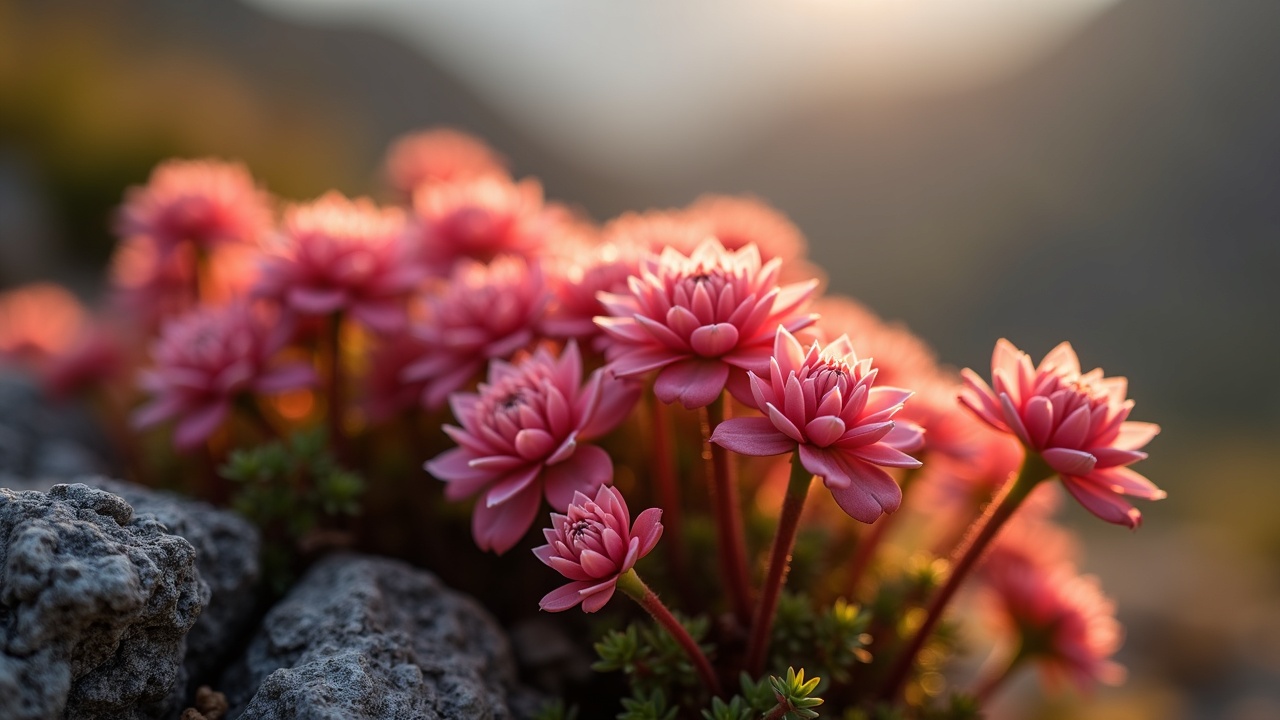
The plant is a compact, succulent perennial herb reaching 5-40 cm (2-16 inches) in height. It is dioecious. Male and female flowers occur on separate plants. Stems are erect, unbranched, arising from a thick, fleshy rhizome that develops a characteristic rose-like fragrance when cut (the origin of the species name rosea). The rhizome is the primary medicinal organ and the source of all commercially relevant bioactive compounds.
Quick Reference
| Common Names | Rhodiola, Golden Root, Arctic Root, Rose Root, King's Crown, Orpin Rose |
| Botanical Name | Rhodiola rosea L. (Family: Crassulaceae) |
| Native Range | Circumpolar Arctic and alpine regions: Scandinavia, Siberia, Iceland, British Isles, Alps, Carpathians, Pyrenees, Rocky Mountains, northern China, Mongolia |
| Plant Type | Dioecious succulent perennial; thick rhizome; compact basal rosette with erect flowering stems |
| USDA Hardiness | Zones 1-7; requires cold winters and struggles above Zone 7 without significant altitude |
| Active Compounds | Rosavins (rosavin, rosin, rosarin), salidroside (rhodioloside), tyrosol, flavonoids (rhodionin, rhodiosin) |
| Primary Actions | AMPK activator; MAO inhibitor; anti-fatigue; nootropic; mild antidepressant; HPA axis modulator |
| Best Extraction Method | 60-70% ethanol tincture from dried root; low-temperature processing below 40C (104F) to preserve glycosides |
| Critical Temperature Limit | Never exceed 40C (104F) during drying or extraction, rosavins and salidroside degrade with heat |
| Cycling Protocol | 4 weeks on, 1 week off minimum; morning dosing only due to stimulatory activity |
| Legal Status | Fully legal in the United States; GRAS status; sold as dietary supplement |
| Harvest Part | Rhizome and thick roots; harvested at 3-5 years of age when compound concentration peaks |
Origin and History
Rhodiola's documented use stretches back at least 2,000 years across multiple independent cultures in the most extreme climates on earth. The Greek physician Dioscorides described rodia riza in De Materia Medica (77 CE), recommending it for headaches and as a general tonic. Whether this is the same species as modern Rhodiola rosea is debated, but the geographic range and description align.
In Scandinavia, Vikings consumed rhodiola to sustain physical endurance and mental sharpness during long sea voyages and raids. The Inuit of northern Canada and Alaska used related Rhodiola species as food and medicine. In Siberia, traditional use of rhodiola as a cold-weather tonic and fertility aid was well established among indigenous peoples long before Russian scientists began investigating it.
Soviet Research Program
The most consequential chapter in rhodiola's history is the Soviet adaptogen research program, which ran from the 1940s through the 1980s. Dr. Nikolai Lazarev coined the term "adaptogen" in 1947 to describe substances that increase nonspecific resistance to stress, and rhodiola became one of the program's primary subjects. Dr. Israel Brekhman and later Dr. Alexander Panossian conducted hundreds of studies, many classified, examining rhodiola's effects on military personnel, Olympic athletes, cosmonauts, and chess players.
The Soviet military issued rhodiola extract to special forces and submariners operating in extreme cold. Cosmonauts in the Soviet space program used it to manage the cognitive and physical stress of spaceflight. These were not theoretical studies. They were operational deployments where performance under extreme stress was the metric. The research remained largely unknown in the West until after the dissolution of the Soviet Union, when declassified studies began appearing in translated scientific literature through the 1990s and 2000s.
Swedish and Norwegian researchers, notably Alexander Panossian, who emigrated from the Soviet system, subsequently validated many of the earlier Soviet findings using modern clinical trial methodologies, establishing rhodiola as one of the few botanicals with a substantial body of controlled human research supporting its adaptogenic claims.
Traditional Use Across Cultures
| Culture | Region | Traditional Use |
|---|---|---|
| Vikings | Scandinavia | Physical endurance, mental clarity during expeditions |
| Sami people | Northern Scandinavia | Cold tolerance, altitude sickness prevention |
| Sherpa communities | Himalayas | High-altitude endurance, respiratory support |
| Traditional Chinese Medicine | Tibet, Xinjiang | Lung tonic, blood circulation, fatigue recovery |
| Siberian indigenous peoples | Russia | Cold-weather tonic, fertility, anti-fatigue |
| Inuit | Arctic Canada/Alaska | Food source, general tonic (related species) |
Plant Morphology
Rhizome: The pharmacologically relevant organ. Thick, fleshy, horizontally spreading, 1-4 cm in diameter at maturity. Exterior is bronze to dark brown with prominent leaf scars. Interior flesh is white to pale yellow when fresh, darkening upon drying. Emits a distinctive rose-like fragrance when cut. The aromatic compounds are monoterpene glycosides including geraniol and its derivatives. Mature rhizomes at 3-5 years develop the highest concentration of rosavins and salidroside.
Roots: Secondary fibrous roots extend from the rhizome into rocky substrate. Rhodiola's root system is adapted to anchor in shallow, gravelly soils with minimal organic matter. Root hairs are sparse compared to species adapted to rich soils.
Stems: Erect, unbranched, succulent, 5-40 cm tall depending on altitude and exposure. Multiple stems arise from a single rhizome crown. Stems are green to reddish, smooth, slightly fleshy. Higher altitude populations produce shorter, more compact stems.
Leaves: Alternate, sessile, fleshy, oblanceolate to obovate, 1-4 cm long. Margins entire or with a few teeth near the apex. Color ranges from blue-green to grey-green, with a waxy cuticle that reduces water loss. A typical Crassulaceae adaptation. Leaves are smaller and more densely packed at higher elevations.
Flowers: Terminal cymes of small, 4-petaled flowers. Male flowers are bright yellow; female flowers are greenish-yellow to reddish. Flowering occurs in early to midsummer (June-July in the Northern Hemisphere). The plant is obligately dioecious. You need both male and female plants for seed production.
Fruit and Seeds: Reddish to orange follicles, 6-8 mm long, containing numerous tiny seeds (less than 1 mm). Seeds are brown, elongated, and require cold stratification for germination. Seed viability declines significantly after 2 years of storage.
Climate and Growing Conditions
Rhodiola is an Arctic-alpine species. It requires conditions that most garden plants cannot tolerate and struggles in conditions most garden plants prefer. This is not a species you grow in rich compost in a warm greenhouse.
Temperature: Hardy to USDA Zone 1 (below -50F / -46C). Requires cold winters with sustained freezing for proper dormancy. Summer heat above 75F (24C) stresses the plant and reduces compound concentration. Ideal summer temperatures are 50-65F (10-18C). In Zones 8 and above, rhodiola will not thrive without extreme altitude or artificial cooling.
Altitude: Natural populations grow from sea level in Arctic regions to 14,000+ feet (4,300+ m) in the Himalayas and Central Asian mountains. At lower latitudes, higher altitude compensates for warmer baseline temperatures. Commercial cultivation in Scandinavia succeeds at relatively low altitude because of the high latitude.
Light: Full sun in cool climates. In warmer areas (Zone 6-7), afternoon shade prevents heat stress. Alpine UV exposure contributes to the stress response that drives secondary metabolite production. Plants grown under shade cloth may produce lower compound concentrations.
Moisture: Moderate moisture during the growing season, excellent drainage year-round. Rhodiola tolerates brief dry periods but is not a true xerophyte. Winter waterlogging is lethal, the succulent rhizome rots in saturated, frozen soil. Snow cover is fine; standing water is not.
Wind: Tolerates extreme wind exposure. Natural populations on Arctic cliff faces and alpine ridges experience constant high winds. Wind exposure contributes to the compact growth habit.
Soil Requirements
Rhodiola demands soil conditions opposite to what most herb growers provide.
pH: 6.0-7.5. Slightly acidic to neutral. Alpine soils where rhodiola grows naturally are typically mineral-rich and slightly acidic from decomposed granite and schist.
Texture: Sandy, gravelly, rocky. The rhizome requires excellent aeration and drainage. Heavy clay soils are unsuitable without heavy amendment with coarse sand and gravel. Ideal substrate mimics alpine scree: 50-60% coarse mineral material (sand, gravel, crushed rock), 20-30% loamy soil, 10-20% organic matter.
Fertility: Low to moderate. Rich, heavily amended soil produces larger plants with dilute rhizome chemistry, the same inverse relationship between soil fertility and secondary metabolite concentration seen in ashwagandha. Do not fertilize with high-nitrogen amendments. If any fertilization is needed, a light application of balanced organic fertilizer in early spring is sufficient.
Drainage: Non-negotiable. Rhodiola dies in waterlogged soil. Raised beds, rock gardens, or sloped sites with natural drainage are ideal. In container cultivation, use a fast-draining alpine mix with at least 50% mineral content.
Propagation
Seed Propagation
Rhodiola seed requires cold stratification to break dormancy. Without it, germination rates are near zero. This is a hard requirement, not a suggestion.
Stratification protocol:
- Mix fresh seed with damp (not wet) sand or vermiculite at a 1:3 ratio
- Seal in a plastic bag or container with a few small air holes
- Refrigerate at 33-40F (1-4C) for 6-8 weeks minimum; 10-12 weeks improves germination rates
- Check moisture weekly. Medium should stay damp but not saturated
- After stratification, sow immediately; do not allow seeds to dry out again
Sowing:
- Surface-sow on a fine-textured, well-drained seed starting mix
- Seeds require light for germination. Do not cover with soil, press gently into surface
- Maintain soil temperature of 50-60F (10-15C), warmer temperatures inhibit germination
- Germination is slow and irregular: 2-6 weeks, with some seeds emerging over several months
- Seedlings are tiny and slow-growing in the first year; do not transplant until second spring
Germination rates: Even with proper stratification, expect 40-60% germination. Wild-collected seed from high-altitude populations often shows higher viability than seed from lowland-cultivated plants.
Vegetative Propagation
Division of mature rhizomes is faster and more reliable than seed.
- In early spring or late fall, dig a 3-5 year old plant
- Cut the rhizome into sections, each with at least one visible growth bud (crown eye) and attached root tissue
- Dust cut surfaces with sulfur powder to prevent fungal infection
- Allow cuts to callus for 24-48 hours in a cool, dry, shaded location
- Plant divisions 2-3 inches deep in prepared alpine-type soil mix
- Water once to settle soil; do not water again until new growth appears
Division produces harvest-ready plants 1-2 years sooner than seed-grown plants because the rhizome is already partially developed.
Growth and Harvest
Growth Timeline
| Year | Stage | Notes |
|---|---|---|
| Year 1 | Seedling establishment | Tiny rosettes, 1-3 cm across; extremely slow growth; no harvest |
| Year 2 | Vegetative development | Rosettes expand, first erect stems appear; rhizome begins thickening |
| Year 3 | First possible harvest | Rhizome reaches 1-2 cm diameter; salidroside levels begin concentrating; early harvest possible but suboptimal |
| Year 4-5 | Optimal harvest window | Rhizome 2-4 cm diameter; rosavin and salidroside at peak concentration; rose fragrance intensifies |
| Year 6+ | Overmature | Rhizome becomes woody, fibrous, and harder to extract; compound concentration may plateau or decline |
Harvest Protocol
Timing: Late fall after the aerial parts have senesced, or early spring before new growth emerges. Both timing windows coincide with peak compound concentration in the rhizome as the plant stores metabolites for dormancy or pre-growth mobilization.
Method:
- Dig the entire plant carefully, preserving as much rhizome as possible
- Shake off loose soil. Do not wash with water until ready to process (moisture promotes microbial degradation)
- If maintaining the planting, replant crown divisions immediately and harvest only the surplus rhizome mass
- Transport harvested rhizome in breathable containers, not sealed plastic bags
Sustainable harvest: Rhodiola is slow-growing and wild populations are under severe pressure from commercial overharvesting, particularly in Russia, China, and Mongolia. Several regional populations are listed as threatened or endangered. Cultivate your own supply. Do not wild-harvest unless you have explicit permission and the population can sustain it.
Post-Harvest Processing
Cleaning
Brush soil from rhizomes with a dry, stiff brush. If washing is necessary, use cold water briefly and pat dry immediately. Extended water contact leaches water-soluble salidroside from cut surfaces.
Drying
Critical temperature: Never exceed 40C (104F). Rosavins and salidroside are glycosides that degrade with heat. High-temperature drying that works fine for more robust compounds like withanolides will destroy the compounds you are trying to preserve.
Preferred method: Air dry in a well-ventilated, shaded area at ambient temperature. Slice rhizomes into 3-5 mm thick cross-sections to increase surface area and reduce drying time. In cool, dry climates, air drying takes 7-14 days. In humid climates, use a dehydrator set to 95F (35C) maximum with continuous airflow.
Endpoint: Properly dried rhodiola root should snap cleanly when bent, not flex. Residual moisture should be below 10%. The dried root retains a rose-like fragrance, if it smells musty or fermented, microbial degradation has begun and compound integrity is compromised.
Storage
Store dried root pieces in amber glass jars or vacuum-sealed bags in a cool, dark location. Properly dried and stored rhodiola root maintains potency for 2-3 years. Ground powder oxidizes faster, grind only what you plan to extract within 30 days.
Processing and Extraction
Tincture (Primary Method)
Rhodiola's key compounds are a mix of water-soluble (salidroside) and alcohol-soluble (rosavins) glycosides. A hydroethanolic extraction captures both classes.
Solvent: 60-70% ethanol (120-140 proof). This ratio optimizes extraction of both salidroside (more water-soluble) and rosavins (more alcohol-soluble). Pure Everclear at 190 proof is too concentrated, dilute to 60-70% with distilled water before extraction.
Ratio: 1:5 (dried root to menstruum) by weight. Example: 100g dried root to 500ml of 65% ethanol.
Method:
- Coarsely grind or chop dried rhizome. Do not powder, which creates excessive sediment
- Place root material in a clean glass jar
- Add measured menstruum, ensuring all plant material is submerged with at least 1 inch of liquid above
- Seal tightly, label with date and ratio
- Macerate for 4-6 weeks in a cool, dark location
- Agitate jar daily for the first two weeks, then every 2-3 days
- Strain through cheesecloth, then fine filter through coffee filter or laboratory filter paper
- Press marc (spent plant material) to recover residual tincture
- Bottle in amber glass dropper bottles; label with date, plant, ratio, and solvent percentage
Temperature during extraction: Room temperature, 60-70F (15-21C). Do not heat. Do not place in sunlight.
Decoction (Secondary Method)
A cold-water decoction captures salidroside but extracts rosavins poorly. Useful if alcohol is not desired, but pharmacologically incomplete.
- Add 5g dried root chips to 250ml cold water
- Soak 8-12 hours (cold infusion preserves heat-sensitive compounds)
- Strain and consume within 24 hours. Water extracts have no preservative capacity
Standardized Extract Production
Commercial rhodiola extracts are typically standardized to 3% rosavins and 1% salidroside, reflecting the natural 3:1 ratio found in authentic R. rosea rhizome. This ratio is also a quality marker, extracts that deviate significantly from 3:1 may contain adulterant species or synthetic salidroside addition.
Functional Compounds and Pharmacology
Rosavins: Phenylpropanoid Glycosides
The rosavin group includes three closely related compounds: rosavin, rosin, and rosarin. These are cinnamyl alcohol glycosides unique to Rhodiola rosea. They do not occur in other Rhodiola species, making them the definitive chemotaxonomic marker for species authentication.
MAO Inhibition: Rosavins inhibit monoamine oxidase A and B (MAO-A, MAO-B), the enzymes responsible for breaking down serotonin, dopamine, and norepinephrine in the synaptic cleft (van Diermen et al., 2009). When MAO activity is reduced, these neurotransmitters remain active longer, increasing their signaling duration. This is the same mechanism targeted by pharmaceutical MAO inhibitors used to treat depression, but at lower potency. The clinical significance: rhodiola produces a mild, sustained elevation of mood and alertness without the abrupt catecholamine spikes of stimulant drugs.
Drug interaction implication: Because rosavins inhibit MAO, combining rhodiola with pharmaceutical MAOIs (phenelzine, tranylcypromine, selegiline) risks hypertensive crisis from excessive catecholamine accumulation. Combining with SSRIs risks serotonin syndrome through overlapping serotonergic mechanisms. These are not theoretical concerns. They are pharmacologically predictable interactions.
Salidroside: Phenylethanol Glycoside
Salidroside (also called rhodioloside) is the compound most extensively studied in rhodiola pharmacology. It occurs across multiple Rhodiola species, unlike rosavins.
AMPK Activation: Salidroside activates AMP-activated protein kinase, the master regulator of cellular energy homeostasis (Li et al., 2017). When cells are under stress, hypoxia, nutrient deprivation, oxidative damage, AMPK activation shifts metabolism toward energy conservation and ATP production. It upregulates fatty acid oxidation, glucose uptake, and mitochondrial biogenesis while suppressing energy-consuming anabolic processes. This is the molecular basis for rhodiola's anti-fatigue effects: it enhances the cell's ability to maintain energy output under conditions that would normally cause performance collapse.
HPA Axis Modulation: Salidroside modulates the hypothalamic-pituitary-adrenal axis, but through a different pathway than ashwagandha's withanolides. Where withanolides act as GABA-mimetics that suppress the stress signal at the neurotransmitter level, salidroside acts upstream on stress-activated protein kinases (SAPKs/JNKs) and heat shock proteins (HSPs), increasing the cell's stress tolerance threshold rather than suppressing the stress response itself (Perfumi & Mattioli, 2007). The practical difference: ashwagandha makes you feel less stressed; rhodiola makes you perform better under the same stress load.
Neuroprotection: Salidroside has demonstrated neuroprotective activity in multiple preclinical models through suppression of reactive oxygen species (ROS), inhibition of apoptotic cascades, and promotion of BDNF expression via the AMPK-SIRT1 pathway. This is distinct from PDE4-cAMP-CREB driven BDNF activation, a different upstream trigger, converging downstream outcome.
Compound Comparison Table
| Compound | Class | Mechanism | Primary Effect | Unique to R. rosea? |
|---|---|---|---|---|
| Rosavin | Phenylpropanoid glycoside | MAO-A/B inhibition | Mood elevation, nootropic clarity | Yes |
| Rosarin | Phenylpropanoid glycoside | MAO-A/B inhibition | Same as rosavin | Yes |
| Rosin | Phenylpropanoid glycoside | MAO-A/B inhibition | Same as rosavin | Yes |
| Salidroside | Phenylethanol glycoside | AMPK activation; SAPK/JNK modulation; HSP upregulation | Anti-fatigue, neuroprotection, stress resilience | No, found in multiple Rhodiola spp. |
| Tyrosol | Phenylethanol | Antioxidant; precursor to salidroside | Mild antioxidant support | No |
| Rhodionin | Flavonoid | Antioxidant | Anti-inflammatory support | Yes |
Rhodiola vs. Ashwagandha: Mechanism Comparison
This matters because the supplement industry markets them interchangeably. They are not interchangeable.
| Parameter | Rhodiola rosea | Ashwagandha (W. somnifera) |
|---|---|---|
| Primary stress pathway | AMPK activation + MAO inhibition | HPA axis suppression + GABA mimetic |
| Net effect on arousal | Stimulatory, raises catecholamines | Sedating, enhances GABAergic signaling |
| Best timing | Morning only | Evening or any time |
| Effect on cognition under stress | Enhances acute performance | Reduces anxiety that impairs performance |
| Effect on cortisol | Modulates indirectly via stress tolerance | Directly suppresses cortisol secretion |
| Drug interaction risk | MAOIs, SSRIs, stimulants | Thyroid medications, sedatives, immunosuppressants |
| Cycling requirement | 4 weeks on / 1 week off | 8-12 weeks on / 4 weeks off |
Safety, Contraindications, and Cycling
Cycling Protocol
Rhodiola is not a daily-forever supplement. Continuous use leads to receptor downregulation, specifically, MAO enzyme expression upregulates to compensate for chronic inhibition, and AMPK pathway sensitivity diminishes. The adaptogenic effect flattens. This is not controversial; it is basic receptor pharmacology.
Recommended cycle: 4 weeks on, 1 week off at minimum. Some practitioners recommend 5 days on, 2 days off (weekdays only) for sustained use periods. Both approaches prevent tolerance buildup.
Morning dosing only. Rhodiola's stimulatory activity, driven by MAO inhibition and catecholamine preservation, interferes with sleep onset and sleep architecture when taken after midday. If it disrupts your sleep, you are taking it too late in the day, at too high a dose, or both.
Dosing
| Form | Standard Dose | Notes |
|---|---|---|
| Standardized extract (3% rosavins / 1% salidroside) | 200-400 mg, morning | Most studied dose range in clinical trials |
| Tincture (1:5, 65% ethanol) | 1-2 ml (20-40 drops), morning | Equivalent to approximately 200-400 mg dried root |
| Dried root decoction | 3-5 g root chips, cold-infused 8-12 hours | Lower rosavin extraction compared to ethanol tincture |
Start low. Begin at 100-200 mg standardized extract for the first week to assess individual sensitivity. Some people are highly responsive to the MAO-inhibiting effects and experience agitation, rapid heartbeat, or insomnia even at standard doses.
Contraindications
Bipolar disorder: Rhodiola's stimulatory and mood-elevating effects can trigger manic episodes in individuals with bipolar I or bipolar II disorder. The MAO-inhibiting activity raises catecholamine levels in a pattern that mirrors the neurochemistry of mania. This is not a minor caution. It is a hard contraindication for unsupervised use in bipolar patients.
Pharmaceutical MAOIs: Combining rhodiola with prescription MAO inhibitors (phenelzine, tranylcypromine, isocarboxazid, selegiline) risks hypertensive crisis through additive MAO inhibition and excessive catecholamine accumulation.
SSRIs and SNRIs: Rhodiola's combined MAO inhibition and indirect serotonergic activity creates a theoretical risk of serotonin syndrome when combined with pharmaceutical serotonin reuptake inhibitors. Clinical case reports are limited, but the pharmacological basis for the interaction is sound.
Stimulant medications: Additive stimulatory effects with amphetamines, methylphenidate, modafinil, and high-dose caffeine. Monitor for anxiety, tachycardia, and insomnia.
Autoimmune conditions: Rhodiola has immunostimulatory properties. Individuals with autoimmune disorders should consult a knowledgeable practitioner before use.
Pregnancy and lactation: Insufficient safety data. Avoid.
Side Effects at Therapeutic Doses
- Insomnia (dose too high or timing too late in day)
- Vivid dreams (reported commonly, not necessarily adverse)
- Agitation or irritability (individual sensitivity to MAO inhibition)
- Dry mouth
- Dizziness (rare, usually first-week)
System Integration
Synergistic Combinations
Rhodiola + Eleuthero (Siberian Ginseng): The classic Soviet adaptogen stack. Eleuthero provides broad immune modulation and endurance support via eleutherosides, while rhodiola provides the acute cognitive and mood-elevating effects. Complementary mechanisms without overlapping drug interaction risks.
Rhodiola + Lion's Mane: AMPK activation (rhodiola) paired with NGF stimulation (lion's mane hericenones/erinacines) for combined metabolic and neurotrophic support. Different upstream pathways, complementary downstream neuroprotective outcomes.
Rhodiola + Bacopa monnieri: Rhodiola for acute cognitive performance under stress; bacopa for long-term memory consolidation via acetylcholinesterase inhibition. Bacopa is sedating, it counterbalances rhodiola's stimulatory edge when taken together, though timing should be staggered (rhodiola morning, bacopa evening).
Combinations to Avoid
- Rhodiola + Ashwagandha: Not dangerous, but pharmacologically redundant and potentially counterproductive. One stimulates, the other sedates. Choose based on the specific stress pattern you are addressing, do not stack both.
- Rhodiola + St. John's Wort: St. John's Wort is itself an MAO inhibitor. Additive MAO inhibition with rhodiola increases all the risks outlined above.
Formulation Notes for Extraction
For Pure Extracts product formulation, rhodiola tincture should be:
- Single-species, not blended with other adaptogens in the same extraction
- 1:5 ratio in 65% ethanol
- Sourced from cultivated R. rosea root verified by rosavin:salidroside ratio (3:1)
- Cold-processed throughout, no heat at any stage
- Labeled with cycling instructions and morning-only dosing guidance
- Contraindication warnings for bipolar disorder, MAOIs, and SSRIs printed on label
References
- Li, F., Tang, H., Xiao, F., Gong, J., Peng, Y., & Meng, X. (2017). Protective effect of salidroside from Rhodiola on hypoxia-induced HT22 cell damage via activation of the AMPK/SIRT1 signaling pathway. Phytomedicine, 28, 59-67. DOI: 10.1016/j.phymed.2017.01.010
- Darbinyan, V., Kteyan, A., Panossian, A., Gabrielian, E., Wikman, G., & Wagner, H. (2000). Rhodiola rosea in stress-induced fatigue, a double blind cross-over study of a standardized extract SHR-5 with a repeated low-dose regimen. Phytomedicine, 7(5), 365-371. DOI: 10.1016/S0944-7113(00)80055-080055-0)
- van Diermen, D., Marston, A., Bravo, J., Reist, M., Carrupt, P. A., & Hostettmann, K. (2009). Monoamine oxidase inhibition by Rhodiola rosea L. roots. Journal of Ethnopharmacology, 122(2), 397-401. DOI: 10.1016/j.jep.2009.01.007
- Olsson, E. M., von Scheele, B., & Panossian, A. G. (2009). A randomised, double-blind, placebo-controlled, parallel-group study of the standardised extract SHR-5 of the roots of Rhodiola rosea in the treatment of subjects with stress-related fatigue. Planta Medica, 75(2), 105-112. DOI: 10.1055/s-0028-1088322
- Panossian, A., & Wikman, G. (2010). Effects of adaptogens on the central nervous system and the molecular mechanisms associated with their stress-protective activity. Pharmaceuticals, 3(1), 188-224. DOI: 10.3390/ph3010188
- Perfumi, M., & Mattioli, L. (2007). Adaptogenic and central nervous system effects of single doses of 3% rosavin and 1% salidroside Rhodiola rosea L. extract in mice. Phytotherapy Research, 21(1), 37-43. DOI: 10.1002/ptr.2013
- Hung, S. K., Perry, R., & Ernst, E. (2011). The effectiveness and efficacy of Rhodiola rosea L.: a systematic review of randomized clinical trials. Phytomedicine, 18(4), 235-244. DOI: 10.1016/j.phymed.2010.08.014
- Mao, J. J., Xie, S. X., Zee, J., Soeller, I., Li, Q. S., Rockwell, K., & Amsterdam, J. D. (2015). Rhodiola rosea versus sertraline for major depressive disorder: a randomized placebo-controlled trial. Phytomedicine, 22(3), 394-399. DOI: 10.1016/j.phymed.2015.01.010
- Ishaque, S., Shamseer, L., Bukutu, C., & Vohra, S. (2012). Rhodiola rosea for physical and mental fatigue: a systematic review. BMC Complementary and Alternative Medicine, 12, 70. DOI: 10.1186/1472-6882-12-70
- Amsterdam, J. D., & Panossian, A. G. (2016). Rhodiola rosea L. as a putative botanical antidepressant. Phytomedicine, 23(7), 770-783. DOI: 10.1016/j.phymed.2016.02.009
Tags
Common questions
What is botanical description?
belongs to the family Crassulaceae, the stonecrops, a family of succulent perennials adapted to extreme environments worldwide. The genus Rhodiola contains approximately 90 species distributed across Arctic and alpine regions of Europe, Asia, and North America, but R. rosea is the species with the deepest pharmacological research base and the longest documented history of human use. The plant is a compact, succulent perennial herb reaching 5-40 cm (2-16 inches) in height. Male and female flowers occur on separate plants.
What has rhodiola rosea traditionally been used for?
Rhodiola's documented use stretches back at least 2,000 years across multiple independent cultures in the most extreme climates on earth. The Greek physician Dioscorides described rodia riza in De Materia Medica (77 CE), recommending it for headaches and as a general tonic. Whether this is the same species as modern Rhodiola rosea is debated, but the geographic range and description align. In Scandinavia, Vikings consumed rhodiola to sustain physical endurance and mental sharpness during long sea voyages and raids. The Inuit of northern Canada and Alaska used related Rhodiola species as food and medicine.
What is plant morphology?
Rhizome: The pharmacologically relevant organ. Thick, fleshy, horizontally spreading, 1-4 cm in diameter at maturity. Exterior is bronze to dark brown with prominent leaf scars. Interior flesh is white to pale yellow when fresh, darkening upon drying. Emits a distinctive rose-like fragrance when cut.
What climate does rhodiola rosea tolerate?
Rhodiola is an Arctic-alpine species. It requires conditions that most garden plants cannot tolerate and struggles in conditions most garden plants prefer. This is not a species you grow in rich compost in a warm greenhouse. Temperature: Hardy to USDA Zone 1 (below -50F / -46C). Requires cold winters with sustained freezing for proper dormancy.
What soil does rhodiola rosea need?
Rhodiola demands soil conditions opposite to what most herb growers provide. Slightly acidic to neutral. Alpine soils where rhodiola grows naturally are typically mineral-rich and slightly acidic from decomposed granite and schist. Texture: Sandy, gravelly, rocky. The rhizome requires excellent aeration and drainage.
How do I propagate rhodiola rosea?
Rhodiola seed requires cold stratification to break dormancy. Without it, germination rates are near zero. This is a hard requirement, not a suggestion. Stratification protocol: . Mix fresh seed with damp (not wet) sand or vermiculite at a 1:3 ratio.
When should I harvest rhodiola rosea?
Year 1 (Seedling establishment): Tiny rosettes, 1-3 cm across; extremely slow growth; no harvest. Year 2 (Vegetative development): Rosettes expand, first erect stems appear; rhizome begins thickening. Year 3 (First possible harvest): Rhizome reaches 1-2 cm diameter; salidroside levels begin concentrating; early harvest possible but suboptimal. Year 4-5 (Optimal harvest window): Rhizome 2-4 cm diameter; rosavin and salidroside at peak concentration; rose fragrance intensifies. Year 6+ (Overmature): Rhizome becomes woody, fibrous, and harder to extract; compound concentration may plateau or decline.
What can I make from rhodiola rosea?
Brush soil from rhizomes with a dry, stiff brush. If washing is necessary, use cold water briefly and pat dry immediately. Extended water contact leaches water-soluble salidroside from cut surfaces. Critical temperature: Never exceed 40C (104F). Rosavins and salidroside are glycosides that degrade with heat.
What is the active compound in rhodiola rosea?
Rosavins: Phenylpropanoid Glycosides. The rosavin group includes three closely related compounds: rosavin, rosin, and rosarin. These are cinnamyl alcohol glycosides unique to Rhodiola rosea . They do not occur in other Rhodiola species, making them the definitive chemotaxonomic marker for species authentication. MAO Inhibition: Rosavins inhibit monoamine oxidase A and B (MAO-A, MAO-B), the enzymes responsible for breaking down serotonin, dopamine, and norepinephrine in the synaptic cleft (van Diermen et al., 2009).
Is rhodiola rosea safe?
Rhodiola is not a daily-forever supplement. Continuous use leads to receptor downregulation, specifically, MAO enzyme expression upregulates to compensate for chronic inhibition, and AMPK pathway sensitivity diminishes. The adaptogenic effect flattens. This is not controversial; it is basic receptor pharmacology. Recommended cycle: 4 weeks on, 1 week off at minimum.
What is system integration?
Synergistic Combinations. Rhodiola + Eleuthero (Siberian Ginseng): The classic Soviet adaptogen stack. Eleuthero provides broad immune modulation and endurance support via eleutherosides, while rhodiola provides the acute cognitive and mood-elevating effects. Complementary mechanisms without overlapping drug interaction risks. Rhodiola + Lion's Mane: AMPK activation (rhodiola) paired with NGF stimulation (lion's mane hericenones/erinacines) for combined metabolic and neurotrophic support.