plants
Rosemary
Rosemary (Salvia rosmarinus) growing guide: origin and history, botanical description, climate and soil needs, propagation, and growth to harvest.
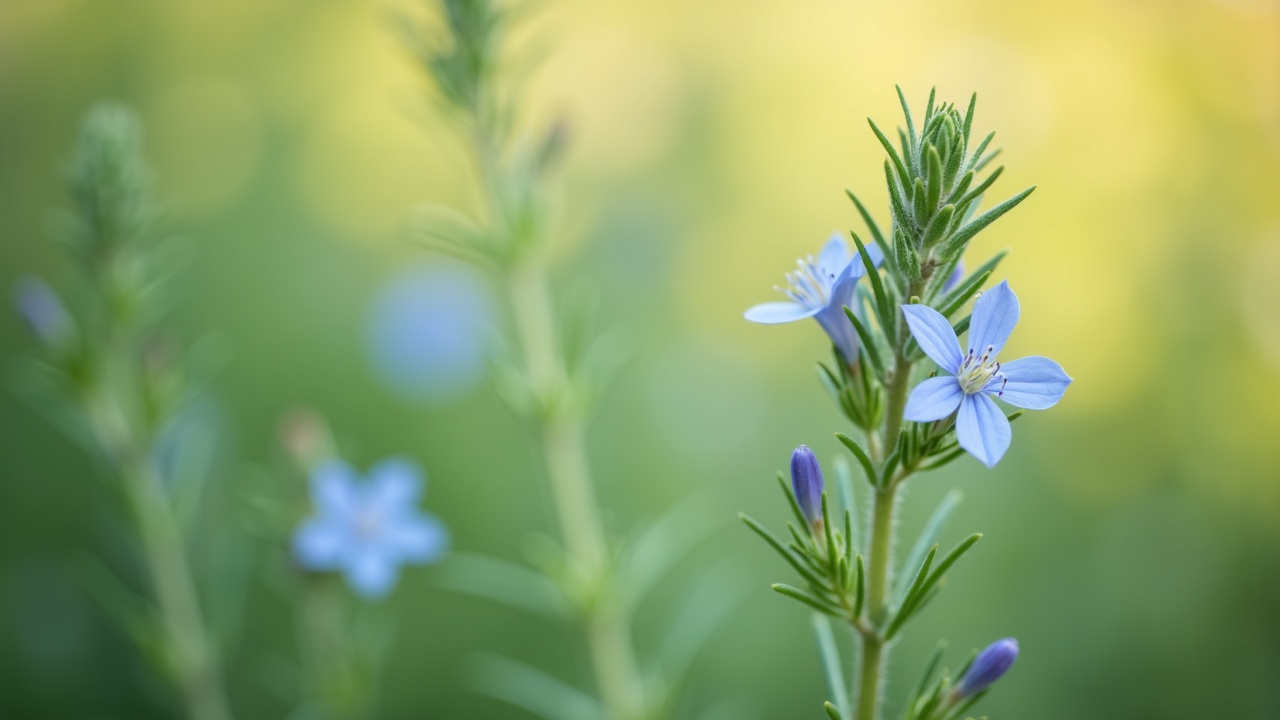
Salvia rosmarinus — A Complete Grower's and Herbalist's Monograph
Pure Euphoria Botanicals • Nored Farms • Austin, Texas
Quick Reference
| Common Name | Rosemary |
| Botanical Name | Salvia rosmarinus Spenn. (syn. Rosmarinus officinalis L.) (Family: Lamiaceae) |
| Taxonomic Note | Reclassified from Rosmarinus to Salvia in 2017 based on molecular phylogenetic analysis confirming polyphyly of the old genus (Drew & Sytsma, 2012) |
| Native Range | Mediterranean Basin — coastal scrubland (maquis/garrigue) from Portugal to Turkey and North Africa |
| Plant Type | Evergreen woody perennial shrub |
| USDA Hardiness | Zones 7b–11 (cultivar-dependent; 'Arp' and 'Hill Hardy' survive Zone 7a with drainage and wind protection) |
| Active Compounds | Carnosic acid, carnosol, rosmarinic acid, 1,8-cineole (eucalyptol), camphor, alpha-pinene, ursolic acid |
| Primary Actions | Antioxidant; nootropic (AChE inhibitor); antimicrobial; anti-inflammatory; carminative; circulatory stimulant |
| Best Extraction Method | Steam distillation for essential oil; 190-proof ethanol tincture (1:5) for full-spectrum diterpene/polyphenol extract |
| Harvest Part | Aerial parts — leaves and flowering tops |
| Bloom Season | Late winter through spring in Mediterranean climates; intermittent year-round in mild zones |
| Mature Size | 2–6 feet tall depending on cultivar; prostrate forms trail 4–8 feet |
| Legal Status | Unrestricted worldwide; GRAS (Generally Recognized as Safe) as food additive per FDA 21 CFR 182.10 |
Origin and History
Rosemary is native to the dry, limestone-rich coastal scrublands of the Mediterranean — the maquis and garrigue ecosystems where thin, alkaline soils and summer drought select for plants that concentrate volatile oils as defense against herbivory and UV radiation. The genus name Rosmarinus derives from Latin ros (dew) and marinus (sea), describing its habitat on sea cliffs where morning fog provides much of its moisture.
The plant's cognitive association is among the oldest in Western herbalism. Ancient Greek students wore rosemary garlands during examinations, and the herb was placed on graves as a symbol of remembrance. Dioscorides documented rosemary as a warming herb for digestive and nervous complaints in De Materia Medica (first century CE). Medieval European herbalists classified it as a cephalic — a plant acting specifically on the head and brain. Shakespeare referenced this tradition directly when Ophelia says in Hamlet, "There's rosemary, that's for remembrance."
Arab traders brought rosemary cultivation technology into Spain during the Moorish period, where it became entrenched in both culinary and medicinal traditions. Queen Elizabeth of Hungary reportedly used an alcohol-based rosemary extract — "Hungary Water" — as a rejuvenating tonic in the 14th century, making it one of the earliest documented hydroalcoholic botanical preparations in European herbalism.
Taxonomic Reclassification
In 2017, molecular phylogenetic work by Drew and Sytsma demonstrated that the genus Rosmarinus was nested within Salvia, making Salvia paraphyletic unless Rosmarinus was absorbed into it. The reclassification was accepted by major botanical databases including Plants of the World Online (Kew) and the World Flora Online. The accepted name is now Salvia rosmarinus Spenn., though Rosmarinus officinalis L. remains a widely used synonym in commercial and herbal contexts.
This is not merely a naming convention. The molecular data show rosemary shares more recent common ancestry with certain Salvia species than those Salvia species share with each other — placing rosemary outside Salvia would require splitting Salvia into dozens of smaller genera.
Botanical Description and Morphology
Growth Habit
Rosemary is an evergreen woody shrub with square stems (typical of Lamiaceae) that become round and bark-covered with age. Upright cultivars ('Tuscan Blue', 'Miss Jessup') grow 4–6 feet tall with a 3–4 foot spread. Prostrate cultivars ('Prostratus', 'Irene') trail along the ground or cascade over walls, rarely exceeding 2 feet in height but spreading 4–8 feet horizontally.
Leaves
Leaves are linear, 1–4 cm long, 1–3 mm wide, with strongly revolute (rolled-under) margins — an adaptation that reduces the leaf surface area exposed to dry wind and concentrates trichome-produced volatiles in a protected channel along the underside. The upper surface is dark green and glabrous; the lower surface is densely covered with stellate (star-shaped) trichomes that appear white or silvery. Oil glands (glandular trichomes) are concentrated on the abaxial surface within the rolled margin channel.
Flowers
Bilabiate (two-lipped) flowers typical of Lamiaceae, 1–1.5 cm long, borne in axillary clusters along the upper stems. Color ranges from pale blue-violet to deep blue, occasionally white or pink depending on cultivar. Two exserted stamens curve beneath the upper lip. Flowers are strongly attractive to honeybees and other pollinators. Flowering occurs in response to cool temperatures followed by lengthening days — most profuse in late winter through spring.
Root System
Fibrous, moderately deep root system adapted to fractured limestone and rocky substrates. Rosemary does not produce a deep taproot. Roots are highly susceptible to waterlogging and Phytophthora root rot in heavy, poorly-drained soils.
Climate and Soil Requirements
Climate
Rosemary evolved under Mediterranean climate conditions: hot, dry summers and cool, wet winters. It tolerates heat above 100°F without difficulty if roots are dry. Cold tolerance varies by cultivar — 'Arp' (discovered in Arp, Texas) and 'Hill Hardy' survive brief exposures to 0°F, while tender cultivars like 'Tuscan Blue' suffer damage below 20°F.
Central Texas (Zones 8b–9a) is well within rosemary's comfort range. The primary threat in this region is not cold — it is excess summer rain and heavy clay soil creating root rot conditions.
Soil
The single most important soil parameter for rosemary is drainage. Native habitat is limestone rubble with minimal organic matter and a pH of 7.0–8.5. Rosemary performs poorly in:
- Heavy clay (drainage failure)
- Rich, amended garden soil (excess nitrogen promotes soft, disease-prone growth)
- Acidic soils below pH 6.0
Ideal soil recipe for containers or raised beds:
- 40% coarse sand or decomposed granite
- 30% perlite or pumice
- 20% native mineral soil (not potting mix)
- 10% aged compost or leaf mold (no more)
- Crushed oyster shell or agricultural lime to maintain pH 7.0–8.0
In-ground planting in clay soils: mound the planting area 8–12 inches above grade and amend with 50% coarse mineral material. Never plant rosemary in a hole dug into clay — the hole becomes a bathtub.
Water
Rosemary is drought-adapted once established. Overwatering kills more rosemary than cold, pests, and disease combined. Water deeply and infrequently — soak the root zone, then allow the soil to dry completely before watering again. In Central Texas summer heat, this typically means every 10–14 days for in-ground plants and every 5–7 days for containers.
Propagation
Cuttings (Primary Method)
Rosemary is propagated almost exclusively by cuttings. Seed germination is erratic (30–50% rates are typical), slow (14–28 days), and does not reliably reproduce named cultivar traits.
Semi-hardwood cutting protocol:
- Select 4–6 inch tips from current-season growth that has begun to firm at the base but is still flexible at the tip — this is semi-hardwood stage, typically late spring through early summer
- Strip leaves from the lower 2 inches of the cutting
- Scrape one side of the stripped stem lightly with a clean blade to expose cambium
- Dip the stripped end in 0.1% IBA (indole-3-butyric acid) rooting hormone powder or gel
- Stick cuttings 2 inches deep into a pre-moistened mix of 1:1 perlite and vermiculite
- Place under a humidity dome or intermittent mist system — maintain 80–90% humidity around foliage while the medium stays moist but not saturated
- Bottom heat at 70–75°F accelerates rooting
- Roots appear in 3–6 weeks; resist pulling cuttings to check — tug gently after 4 weeks and feel for resistance
- Harden off by gradually venting the humidity dome over 7–10 days once roots are established
- Transplant to individual pots with the lean mineral mix described above
Success rate: 80–95% with IBA and humidity control; 50–70% without hormone.
Layering (Secondary Method)
Prostrate and low-growing cultivars layer naturally. Pin a low branch to the soil surface with a landscape staple, wound the underside lightly, cover with 1 inch of sandy mix. Roots develop in 8–12 weeks. Sever from the parent plant and transplant.
Growth and Harvest
First Year
Newly rooted cuttings should not be harvested significantly during the first growing season. Allow the plant to establish its root system and develop woody structure. Light tip pruning is acceptable and encourages branching.
Established Plants
Harvest by cutting stems — never strip leaves from living stems, as this damages the bark and invites disease. Cut no more than one-third of total growth at any single harvest. The best time to harvest for maximum essential oil and carnosic acid content is at full bloom, when the plant's secondary metabolite production peaks.
Morning harvest after dew has dried but before midday heat volatilizes oils — this is the standard across most aromatic herbs and is supported by terpene concentration studies.
Pruning
Rosemary does not regenerate from old wood as reliably as many shrubs. Never cut back into bare, woody stems below the foliage line — new growth may not emerge. Prune annually after the main flowering flush by cutting back into green, leafy growth to maintain shape and density. Unpruned rosemary becomes leggy and woody at the base within 3–5 years.
Common Problems
| Problem | Cause | Solution |
|---|---|---|
| Sudden branch dieback | Phytophthora root rot from overwatering or poor drainage | Improve drainage; remove affected branches; no chemical cure for established infections |
| Powdery mildew | Poor air circulation + high humidity | Increase spacing; prune interior for airflow; neem oil preventive spray |
| Yellowing lower leaves | Overwatering or nitrogen excess | Reduce water; stop fertilizing; check drainage |
| Spittle bugs | Cercopidae nymphs create foam masses on stems | Hose off with water; cosmetic damage only |
| Spider mites | Hot, dry indoor conditions | Increase humidity; spray with water; release predatory mites |
| Tip die-back in winter | Cold damage to current-season growth | Select hardier cultivars; do not fertilize after midsummer |
Post-Harvest Handling
Drying
Hang small bundles (6–8 stems) upside down in a warm, dark, well-ventilated area. Alternatively, spread in a single layer on mesh drying racks. Temperature must stay below 95°F — volatile terpenes (especially 1,8-cineole and camphor) evaporate rapidly above this threshold. Drying time: 5–10 days depending on humidity. Leaves should snap cleanly from the stem when fully dry.
Strip dried leaves from stems by running fingers down the stem against the direction of leaf growth. Discard woody stems unless making a decoction.
Storage
Store dried rosemary in airtight glass jars away from light and heat. Properly dried and stored rosemary retains aroma and activity for 12–18 months. Whole leaves retain potency longer than crushed or ground material due to reduced surface area exposure.
For maximum preservation of carnosic acid content, freeze-drying is superior to air-drying — carnosic acid degrades with heat and oxygen exposure. If freeze-drying is not available, vacuum-sealing dried herb and storing at room temperature in darkness is the next best option.
Processing Methods
Essential Oil — Steam Distillation
Rosemary essential oil is produced by steam distillation of fresh or partially wilted aerial parts. Yield ranges from 0.5–2.5% by weight depending on cultivar, harvest timing, and climate.
Chemotype matters. Rosemary essential oil exists in at least three recognized chemotypes based on dominant volatile compounds:
| Chemotype | Dominant Compound | Character | Traditional Use |
|---|---|---|---|
| CT cineole | 1,8-Cineole (40–55%) | Camphoraceous, respiratory-clearing | Respiratory support; mental clarity |
| CT camphor | Camphor (20–35%) | Sharp, penetrating | Muscular pain; circulatory stimulant |
| CT verbenone | Verbenone (15–25%) | Herbaceous, softer | Skin care; liver support; gentlest chemotype |
Chemotype is determined by genetics and growing conditions — the same plant may shift chemotype expression between climates. For cognitive applications, CT cineole is preferred due to the established link between 1,8-cineole plasma levels and cognitive performance (Moss & Oliver, 2012).
Hydrosol
Rosemary hydrosol (the aqueous co-product of steam distillation) contains water-soluble aromatic compounds at low concentration. It is used as a facial toner, scalp treatment, and mild room spray. pH typically 4.0–4.5. Shelf life: 6–12 months refrigerated. Hydrosol does not contain significant levels of carnosic acid or rosmarinic acid, which are not steam-volatile.
Culinary
Fresh or dried leaves in cooking. Fat-soluble diterpenes (carnosic acid, carnosol) extract into cooking oils and fats. A rosemary-infused olive oil captures meaningful levels of antioxidant diterpenes — this is one of the few culinary preparations that delivers pharmacologically relevant compounds.
Tincture — Full-Spectrum Hydroalcoholic Extract
Standard protocol:
- Harvest aerial parts (leaves and flowering tops) at full bloom
- Dry below 95°F to approximately 10% moisture content
- Grind coarsely — do not powder (fine powder creates filtration problems and extracts excess chlorophyll)
- Combine 1 part dried herb to 5 parts 190-proof ethanol (95% ABV) by weight (1:5 w/v)
- Place in a glass jar with tight-fitting lid; ensure all plant material is submerged
- Store in a cool, dark location; shake daily for 30 seconds
- Macerate for 4–6 weeks minimum
- Strain through cheesecloth, then filter through unbleached coffee filter or laboratory filter paper
- Press marc (spent herb) to recover residual extract
- Bottle in amber glass with dropper caps; label with herb, menstruum, ratio, and date
High-proof ethanol is necessary because carnosic acid and carnosol are lipophilic diterpenes with limited water solubility. A 40% alcohol (vodka) tincture will capture rosmarinic acid and some volatile terpenes but will miss the majority of diterpene content. Use 190-proof (95%) ethanol for maximum extraction of the full compound profile.
Functional Compounds
Carnosic Acid and the Activated Antioxidant Cascade
Carnosic acid is an abietane-type diterpene concentrated in rosemary leaves (1.5–5% of dry weight in high-quality material). It is not a conventional antioxidant that simply donates electrons. Instead, carnosic acid operates through an activated cascade mechanism first characterized by Masuda et al. (2001):
- Baseline state: Carnosic acid is relatively stable and mildly antioxidant
- Oxidative trigger: When free radical concentration increases (from UV, inflammation, metabolic stress), carnosic acid donates hydrogen atoms to quench radicals and is itself oxidized to carnosol
- Carnosol retains activity: Carnosol is itself a potent antioxidant — the oxidation product is not waste, it is a second-generation protective molecule
- Further oxidation products: Carnosol can be further oxidized to rosmanol, epirosmanol, and isorosmanol — each retaining radical-scavenging capacity
- Net result: A single molecule of carnosic acid generates multiple sequential antioxidant species, amplifying the protective response precisely when and where oxidative stress is highest
This demand-activated mechanism means rosemary extract does not suppress normal physiological redox signaling under baseline conditions — it ramps up protection only when the system is under oxidative load. This is a fundamental advantage over static antioxidants like vitamin C or E, which scavenge radicals indiscriminately.
Loussouarn et al. (2017) confirmed this cascade in chloroplast membranes, demonstrating that carnosic acid protects photosynthetic lipids from photooxidative damage through sequential oxidation to carnosol and downstream products.
Rosmarinic Acid — Polyphenol Ester with AChE Inhibition
Rosmarinic acid is a caffeic acid ester found in many Lamiaceae species but at particularly high concentrations in rosemary (1–3% of dry weight). Its pharmacology includes:
- Acetylcholinesterase (AChE) inhibition: Rosmarinic acid inhibits the enzyme that breaks down acetylcholine in synapses, increasing cholinergic neurotransmission. This is the same mechanism of action as donepezil (Aricept), a prescription drug for Alzheimer's disease (Orhan et al., 2008). The inhibition is competitive and dose-dependent.
- Anti-inflammatory: Inhibits complement activation and reduces leukotriene synthesis
- Antiviral: Demonstrated activity against herpes simplex virus (HSV-1 and HSV-2) through direct interference with viral attachment
1,8-Cineole (Eucalyptol) — Volatile Cognitive Enhancer
1,8-Cineole is the dominant monoterpene in CT cineole rosemary (40–55% of essential oil). It is the compound most directly linked to rosemary's cognitive effects.
Moss and Oliver (2012) demonstrated that passive inhalation of rosemary essential oil aroma produced blood plasma levels of 1,8-cineole that correlated significantly with improved cognitive performance on speed and accuracy tasks. Higher plasma 1,8-cineole predicted faster and more accurate responses. The compound crosses the blood-brain barrier after absorption through the nasal mucosa and pulmonary capillary beds.
Proposed mechanisms: AChE inhibition (additive with rosmarinic acid's effect); modulation of GABA-A receptor activity; increased cerebral blood flow.
Camphor — Stimulant with Dose-Dependent Toxicity
Camphor (5–25% of essential oil depending on chemotype) is a bicyclic monoterpenoid that acts as a topical rubefacient (increases local blood flow) and mild analgesic. At pharmacological doses, it stimulates cold-sensitive TRPM8 receptors and activates TRPV3 warm receptors simultaneously, producing the characteristic warming-then-cooling sensation.
Camphor is the compound responsible for rosemary essential oil's seizure risk at high doses — see Safety section.
Ursolic Acid
Pentacyclic triterpenoid present in rosemary leaf wax at 2–4% of dry weight. Anti-inflammatory via COX-2 and NF-kB pathway inhibition. Poorly bioavailable orally without lipid co-administration.
Safety
Essential Oil — Internal Use Risks
Rosemary essential oil is not safe for casual internal use at undiluted or concentrated doses. The primary risk is camphor-induced seizures. Burkhard et al. (1999) documented seizures in adults following oral ingestion of rosemary essential oil at doses as low as 10 mL. Camphor lowers seizure threshold by antagonizing GABA-A receptors — the same receptors that benzodiazepines and barbiturates activate to prevent seizures.
At-risk populations:
- Individuals with epilepsy or seizure history — rosemary essential oil is contraindicated
- Children under 6 — camphor toxicity risk is significantly elevated
- Pregnant women — camphor crosses the placental barrier; rosemary essential oil (not the herb itself) carries uterine stimulant potential at high doses
Herb vs. Essential Oil Distinction
Culinary use of rosemary leaves is safe and has thousands of years of track record. The dried herb in food contains camphor at levels far below the threshold for adverse effects. A cup of rosemary tea delivers approximately 0.5–2 mg camphor; a seizure-risk dose of essential oil contains 500–2000+ mg camphor. These are different orders of magnitude.
Tinctures occupy a middle ground — a standard 1:5 tincture at recommended doses (2–4 mL per day) delivers meaningful levels of carnosic acid and rosmarinic acid without approaching camphor toxicity thresholds.
Pregnancy
Rosemary leaf in normal culinary quantities has no documented risk in pregnancy. Concentrated essential oil and high-dose tincture preparations should be avoided during pregnancy due to potential emmenagogue (menstruation-promoting) effects and camphor content. This is a dose-dependent concern, not a blanket prohibition on the herb.
Drug Interactions
- Anticoagulants (warfarin): High-dose rosemary extract may potentiate anticoagulant effects — monitor INR
- Antihypertensives: Rosemary may have mild diuretic effects; additive blood pressure reduction possible
- Lithium: Diuretic activity may increase lithium serum levels — use caution
Cycling Recommendation
As with any potent botanical extract, daily long-term use of concentrated rosemary preparations (essential oil, high-dose tincture) is not recommended. Cycle 5 days on, 2 days off, or 3 weeks on, 1 week off. Culinary use does not require cycling.
System Integration
Companion Planting
Rosemary is one of the most effective companion plants for pest deterrence in garden and food forest systems:
- Cabbage family (Brassicaceae): Rosemary repels cabbage moths, cabbage loopers, and imported cabbageworm butterflies. Plant as a border around brassica beds.
- Beans: Deters Mexican bean beetles
- Carrots: Repels carrot fly (Psila rosae) — interplant rosemary between carrot rows
- Tomatoes: General pest deterrence; does not compete for nutrients in lean soil adjacent to enriched tomato beds
Pest Deterrent Properties
The volatile terpenes (1,8-cineole, camphor, alpha-pinene) responsible for rosemary's aroma are the same compounds that repel herbivorous insects. Rosemary hedges along garden perimeters create a volatile terpene boundary that disrupts pest navigation. Dried rosemary bundles in grain storage deter weevils and moths.
A dilute rosemary hydrosol spray (undiluted hydrosol or 1:1 with water) applied to foliage acts as a mild insect deterrent and antifungal foliar treatment. This is not a substitute for IPM programs but serves as a useful first-line intervention.
Pollinator Support
Rosemary blooms during late winter and early spring when few other nectar sources are available in Mediterranean and subtropical climates. This makes it a critical early-season food source for honeybees and native pollinators. A rosemary hedge in bloom can support hive buildup during the pre-spring dearth.
Erosion Control
Prostrate rosemary cultivars stabilize slopes, terrace edges, and retaining wall tops. The dense mat of roots and trailing stems holds soil on lean, rocky slopes where few other perennials thrive. This is directly applicable to terraced hillside food forest designs in Central Texas limestone country.
Food Forest Integration
Rosemary occupies the shrub layer in a food forest guild. It tolerates partial shade from canopy trees but produces maximum essential oil content in full sun. Place on the southern or western edge of tree canopy drip lines — this provides full sun for most of the day while the tree root network improves deep drainage.
Cultivar Selection for Central Texas
| Cultivar | Habit | Cold Hardy | Notes |
|---|---|---|---|
| 'Arp' | Upright, 4–5 ft | Zone 7a (0°F) | Most cold-hardy; discovered in Arp, TX; open habit; lighter aroma than Mediterranean types |
| 'Hill Hardy' | Upright, 3–4 ft | Zone 7a | Dense growth; strong camphor note; excellent hedge plant |
| 'Tuscan Blue' | Upright, 5–6 ft | Zone 8a (15°F) | Classic tall columnar form; strong aroma; higher cineole content |
| 'Salem' | Upright, 3–4 ft | Zone 7b | Compact and dense; good container plant |
| 'Prostratus' | Prostrate, 1–2 ft | Zone 8b (20°F) | Trailing habit for walls and slopes; less cold-hardy |
| 'Irene' | Prostrate, 1–2 ft | Zone 8a | Vigorous trailer; deep blue flowers; excellent ground cover |
References
- Burkhard, P. R., Burkhardt, K., Haenggeli, C. A., & Landis, T. (1999). Plant-induced seizures: reappearance of an old problem. Journal of Neurology, 246(8), 667–670. doi:10.1007/s004150050429
- Drew, B. T., & Sytsma, K. J. (2012). Phylogenetics, biogeography, and staminal evolution in the tribe Mentheae (Lamiaceae). American Journal of Botany, 99(5), 933–953. doi:10.3732/ajb.1100549
- Loussouarn, M., Krieger-Liszkay, A., Svilar, L., Bily, A., Birtić, S., & Havaux, M. (2017). Carnosic acid and carnosol, two major antioxidants of rosemary, act through different mechanisms. Plant Physiology, 175(3), 1381–1394. doi:10.1104/pp.17.01183
- Masuda, T., Inaba, Y., & Takeda, Y. (2001). Antioxidant mechanism of carnosic acid: structural identification of two oxidation products. Journal of Agricultural and Food Chemistry, 49(11), 5560–5565. doi:10.1021/jf010693i
- Moss, M., & Oliver, L. (2012). Plasma 1,8-cineole correlates with cognitive performance following exposure to rosemary essential oil aroma. Therapeutic Advances in Psychopharmacology, 2(3), 103–113. doi:10.1177/2045125312436573
- Orhan, I., Aslan, S., Kartal, M., Şener, B., & Hüsnü Can Başer, K. (2008). Inhibitory effect of Turkish Rosmarinus officinalis L. on acetylcholinesterase and butyrylcholinesterase enzymes. Food Chemistry, 108(2), 663–668. doi:10.1016/j.foodchem.2007.11.023
- Nieto, G., Ros, G., & Castillo, J. (2018). Antioxidant and antimicrobial properties of rosemary (Rosmarinus officinalis, L.): A review. Medicines, 5(3), 98. doi:10.3390/medicines5030098
- Borrás-Linares, I., Stojanović, Z., Quirantes-Piné, R., Ferreres, F., Segura-Carretero, A., Fernández-Gutiérrez, A., & Arraéz-Román, D. (2014). Rosmarinus officinalis leaves as a natural source of bioactive compounds. International Journal of Molecular Sciences, 15(11), 20585–20606. doi:10.3390/ijms151120585
- Begum, A., Sandhya, S., Shaffath Ali, S., Vinod, K. R., Reddy, S., & Banji, D. (2013). An in-depth review on the medicinal flora Rosmarinus officinalis (Lamiaceae). Acta Scientiarum Polonorum Technologia Alimentaria, 12(1), 61–73.
- Habtemariam, S. (2016). The therapeutic potential of rosemary (Rosmarinus officinalis) diterpenes for Alzheimer's disease. Evidence-Based Complementary and Alternative Medicine, 2016, 2680409. doi:10.1155/2016/2680409
Tags: [plant-species] [extraction] [growing] [formulation] [advanced] [beginner]