Other
Sage
Sage (Salvia officinalis) growing guide: botanical description, origin and history, plant morphology, climate and growing conditions, and soil needs.
On this page
Salvia officinalis, A Complete Grower's and Herbalist's Monograph
Pure Euphoria Botanicals • Nored Farms • Austin, Texas
Quick Reference
| Common Name | Garden Sage, Common Sage, Dalmatian Sage, True Sage |
| Botanical Name | Salvia officinalis L. (Family: Lamiaceae) |
| Native Range | Mediterranean Basin, primarily the Dalmatian coast, southern Europe, and Asia Minor |
| Plant Type | Woody perennial subshrub; semi-evergreen in mild climates |
| USDA Hardiness | Zones 4–8; tolerates brief freezes to 10°F once established |
| Active Compounds | Thujone (alpha and beta), rosmarinic acid, carnosic acid, carnosol, ursolic acid, 1,8-cineole, camphor, luteolin |
| Primary Actions | Cognitive enhancer (AChE inhibitor); estrogenic; antimicrobial; carminative; antiperspirant; antioxidant |
| Best Extraction Method | 50% ethanol tincture (1:5 dried herb) for balanced alkaloid and phenolic extraction |
| Harvest Part | Leaves and flowering tops |
| Bloom Season | Late spring through midsummer (May, July in central Texas) |
| Legal Status | Legal worldwide as a culinary and medicinal herb; no restrictions in any jurisdiction |
Botanical Description
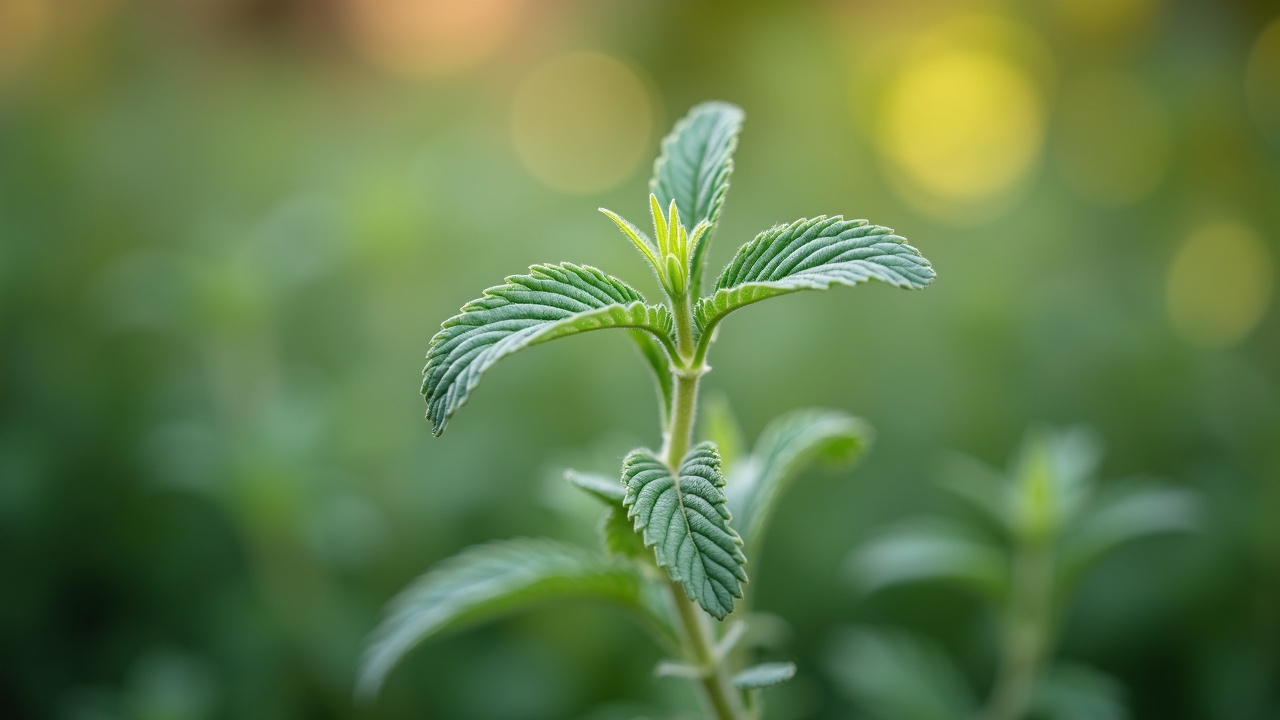
Sage is a woody-stemmed perennial subshrub that grows 12–30 inches tall and equally wide. Stems become lignified and square-sectioned as they mature, typical of the mint family. New growth is soft and herbaceous, aging to grey-brown wood by the second year.
Leaf: Opposite, oblong-lanceolate, 1–3 inches long. Upper surface textured with a fine network of raised veins creating a pebbly texture. Lower surface densely covered with short trichomes that give the characteristic silvery-grey appearance. Margins are finely crenulate. Crushed leaves release a strong camphoraceous aroma from glandular trichomes containing essential oil.
Flower: Bilabiate (two-lipped), typically violet-blue to lavender, arranged in whorls of 4–8 flowers along terminal racemes. Each flower is 1–1.5 cm long. The calyx is tubular, five-toothed, and glandular-pubescent. Sage flowers are strongly bee-attractive and produce moderate nectar.
Root: Fibrous and spreading, relatively shallow. Mature plants develop a semi-woody taproot with lateral branching. Does not spread by runners or rhizomes, clump-forming only.
Seed: Four small nutlets per flower, dark brown, smooth, about 2 mm in diameter. Viability drops significantly after one year of storage.
Origin and History
The name tells the story. Salvia comes from the Latin salvare, to save, to heal. The species epithet officinalis means "of the apothecary," marking it as a plant with recognized medicinal status in the European pharmacopoeia. No other herb carries a name that so directly declares its medical purpose.
The ancient Egyptians used sage as a fertility medicine. Greek physician Dioscorides prescribed it in the first century CE for wound healing, uterine bleeding, and as a diuretic. Roman naturalist Pliny the Elder documented sage harvest rituals requiring white tunics, bare feet, and ceremonial sacrifice before cutting, suggesting the plant held quasi-sacred status beyond its practical medicinal value.
Arab physicians in the 10th century introduced sage to the broader Islamic medical tradition. The Salerno medical school in medieval Italy produced the famous line: Cur moriatur homo cui Salvia crescit in horto?. "Why should a man die whilst sage grows in his garden?" This wasn't poetic exaggeration. Sage was the most frequently prescribed herb in medieval European apothecaries and appeared in virtually every herbal formulary from the 12th through 18th centuries.
Chinese traders in the 17th century valued sage so highly that Dutch merchants reportedly exchanged three chests of Chinese tea for one chest of sage leaf, a trade ratio that reflected genuine pharmacological respect, not just novelty.
In North America, white sage (Salvia apiana) occupied a parallel cultural role among Indigenous peoples of the American Southwest and Pacific Coast. Smudging, burning dried sage bundles for purification, draws from these traditions. S. officinalis entered North American gardens with European colonists and became a standard kitchen and medicine garden plant by the 1700s.
Plant Morphology
Growth Habit
First-year plants produce a low mound of soft herbaceous stems. By the second year, lower stems lignify and the plant develops a semi-woody framework. Left unpruned, sage becomes leggy and hollow-centered by year three. Hard pruning to 6 inches in early spring maintains compact, productive growth for 4–6 years before replanting becomes necessary.
Cultivar Variation
| Cultivar | Leaf Color | Notes |
|---|---|---|
| Common/Dalmatian | Grey-green | Highest essential oil content; industry standard for medicinal use |
| Berggarten | Broad, rounded grey-green | Non-flowering; heavy leaf producer; excellent for tincture stock |
| Purpurascens | Purple-flushed | Slightly lower oil yield; ornamental and functional |
| Icterina | Gold-variegated | Reduced vigor; primarily ornamental |
| Tricolor | Green, white, purple | Least vigorous; ornamental only; not recommended for extraction |
For medicinal use, grow common Dalmatian sage or Berggarten. Ornamental cultivars sacrifice essential oil concentration for appearance.
Essential Oil Distribution
Glandular trichomes concentrate on the lower leaf surface and on calyces. Oil yield peaks just before flowering when trichome density reaches maximum. After full bloom, thujone percentage in the oil increases while total oil yield per plant decreases, the worst possible combination for quality harvest.
Climate and Growing Conditions
Sage is a Mediterranean plant. It wants heat, sun, and dry air. It tolerates drought far better than wet feet. Most sage losses in cultivation come from root rot in poorly drained soil, not from cold, heat, or neglect.
Temperature: Optimal growth at 60–75°F. Tolerates sustained heat above 100°F with adequate root moisture. Winter hardy to 10°F once established. Young plants in their first winter need mulch protection below 20°F.
Light: Full sun, minimum 6 hours direct. In central Texas, afternoon shade during July, August prevents leaf scorch without reducing oil production. In northern climates, full sun all day is preferred.
Humidity: Low. Sage evolved in coastal Mediterranean conditions with dry summers. Sustained humidity above 70% promotes powdery mildew and crown rot. Improve air circulation with wider spacing (18–24 inches) in humid climates.
Wind: Tolerant. The woody stem structure handles wind well. Exposed, breezy sites actually reduce fungal disease pressure.
Soil Requirements
pH: 6.0–7.0. Sage tolerates alkaline conditions up to 8.0 better than most herbs but performs best slightly acidic to neutral.
Drainage: Non-negotiable. Sage dies in waterlogged soil. If your site has clay subsoil, raised beds with at least 12 inches of amended soil are mandatory. In-ground planting works only in sandy loam or well-drained garden soil.
Fertility: Low to moderate. Excess nitrogen produces lush vegetative growth with diluted essential oil content. A single application of balanced compost (1 inch) in early spring provides adequate fertility for the season. Do not fertilize after midsummer. Late soft growth is vulnerable to winter kill.
Soil mix for containers: 50% potting soil, 25% perlite, 25% coarse sand. This approximates the rocky, well-drained limestone soils of sage's native Dalmatian coast habitat.
Propagation
From Seed
- Sow indoors 6–8 weeks before last frost
- Surface sow or cover with 1/8 inch of fine vermiculite. Seeds need light for germination
- Germination temperature: 65–70°F
- Germination time: 10–21 days (slow and uneven)
- Thin to strongest seedling per cell at the two true-leaf stage
- Transplant outdoors after last frost when night temperatures stay above 45°F
Seed-grown sage is genetically variable. For consistent essential oil profiles, vegetative propagation is preferred.
From Cuttings
- Take 3–4 inch softwood cuttings from current-season growth in late spring or early summer
- Strip lower leaves, leaving 2–3 leaf pairs at the tip
- Dip cut end in rooting hormone (IBA 1000 ppm)
- Insert into moist perlite or 50/50 perlite-vermiculite
- Cover with humidity dome; mist daily
- Rooting occurs in 3–4 weeks
- Harden off for one week before transplanting
By Layering
The simplest method for home growers. Bend a low-growing stem to the ground, wound the underside with a shallow scrape, pin it down with a landscape staple, and cover the wounded section with 1 inch of soil. Roots form in 4–6 weeks. Sever from the parent plant and transplant.
Growth Cycle and Harvest
Year One
Focus on root establishment. Allow the plant to grow without heavy harvesting. Take no more than 1/3 of top growth at any single cutting. The plant will likely flower in late spring, remove flower stalks on first-year plants to direct energy to root and vegetative development.
Year Two Onward
Full harvest begins. Cut stems to 6 inches above the woody base in early morning after dew dries. Two to three full harvests per season are possible in zones 7–8. In central Texas, primary harvest in late May before flowering and a secondary harvest in September produces the highest total oil yield.
Harvest timing is critical. Essential oil content peaks when flower buds form but have not yet opened. Leaves harvested at this stage contain the highest concentration of rosmarinic acid and the most favorable thujone-to-cineole ratio.
Do not harvest after the first hard freeze. Post-freeze leaf tissue has degraded cell walls and altered chemistry. The remaining leaves serve as winter insulation for the crown.
Yield Expectations
| Scale | Fresh Leaf Yield | Dried Leaf Yield | Essential Oil Yield |
|---|---|---|---|
| Single plant (year 2+) | 8–12 oz/season | 2–3 oz/season | Insufficient for distillation |
| 100 sq ft bed (~25 plants) | 12–18 lbs/season | 3–5 lbs/season | 15–25 mL (requires micro-still) |
| 1/4 acre (~1,000 plants) | 500–700 lbs/season | 125–175 lbs/season | 0.5–1.0 L |
Post-Harvest Handling
Drying
Method: Hang bundles of 4–6 stems upside down in a dark, well-ventilated space at 95°F or below. Alternatively, spread individual leaves on mesh dehydrator trays at the same temperature. Higher temperatures volatilize essential oils and degrade rosmarinic acid.
Duration: 5–7 days for hanging bundles; 24–48 hours in a dehydrator with airflow.
Endpoint: Leaves should crumble when rubbed between fingers but stems should still snap cleanly, not bend. If stems bend, moisture remains and mold risk exists.
Storage of dried herb: Whole leaves in airtight glass jars, stored in a cool dark location. Properly dried sage retains full potency for 12–18 months. Powdered sage loses volatile compounds within 3–6 months. Always store whole leaf and grind only before use.
Processing
Dried Herb
The simplest preparation. Strip dried leaves from stems. Store whole in sealed glass jars. Dose for tea: 1–2 grams of dried leaf per 8 oz of water just below boiling (190–200°F), steeped covered for 10 minutes. Covering the vessel during steeping prevents essential oil loss through evaporation.
Tincture
Menstruum: 50% ethanol (100-proof vodka or diluted Everclear). The 50% ratio extracts both water-soluble phenolics (rosmarinic acid) and alcohol-soluble terpenoids (thujone, camphor, 1,8-cineole).
Ratio: 1:5 (dried herb to menstruum by weight). For 100 grams of dried sage leaf, use 500 mL of menstruum.
Process:
- Coarsely grind dried sage. Break leaves but do not powder them
- Place in a glass mason jar and cover with menstruum
- Seal tightly and shake vigorously
- Store in a cool, dark location for 4–6 weeks
- Shake daily for the first two weeks, then every 2–3 days
- Strain through muslin, then through a coffee filter for clarity
- Press the marc (spent herb) to recover retained liquid
- Bottle in amber glass dropper bottles
Dose: 2–4 mL (40–80 drops) up to three times daily. Cycle 5 days on, 2 days off. Do not use continuously beyond 4 weeks without a 1-week break. This cycling protocol limits thujone accumulation while maintaining cognitive benefit.
Essential Oil (Steam Distillation)
Sage essential oil requires a minimum of 50 lbs of fresh herb per distillation run to be practical. Small-scale growers should focus on dried herb and tincture preparations.
Distillation parameters:
- Material: Fresh leaf and flowering tops, loosely packed
- Steam temperature: 212°F at atmospheric pressure
- Duration: 90–120 minutes
- Expected yield: 1.0–2.8% by weight of fresh herb
- Key constituents: Alpha-thujone (18–43%), beta-thujone (3–8.5%), camphor (4.5–24.5%), 1,8-cineole (5.5–13%), alpha-humulene, borneol
Critical safety note: Sage essential oil is NOT safe for internal use at any dose. Thujone concentration in distilled oil can reach 50%. The convulsant threshold for thujone in humans begins at approximately 0.5 mL/kg body weight. Essential oil is for external use only, diluted to 1–2% in a carrier oil for topical application, or diffused for aromatherapy.
Smudge Bundles
Traditional smudge bundles use white sage (S. apiana), but S. officinalis produces functional smudge sticks with a more herbaceous, camphoraceous smoke profile.
Method:
- Harvest 8–12 inch stems with leaves intact
- Bundle 6–10 stems together with the cut ends aligned
- Wrap tightly with cotton string from base to tip and back, spiral pattern
- Hang upside down in a dark, ventilated space for 2–3 weeks until fully dry
- Store in paper bags (not plastic. Moisture must escape)
Smudge bundles of S. officinalis produce smoke containing camphor and 1,8-cineole, which have demonstrated antimicrobial activity against airborne bacteria in enclosed spaces.
Functional Compounds
Thujone, The Dose-Limiting Compound
Thujone is a bicyclic monoterpene ketone present in two isomeric forms: alpha-thujone and beta-thujone. Alpha-thujone is the more toxic and more abundant isomer in sage.
Mechanism: Thujone acts as a noncompetitive antagonist at the GABA-A receptor. At low doses, this modulation reduces GABAergic inhibition just enough to increase neural excitability, the probable mechanism behind sage's traditional reputation for mental clarity. At high doses, the same mechanism produces convulsions by removing inhibitory braking on neural circuits (Höld et al. 2000).
Dose response:
- Culinary/tea doses (1–2 g dried leaf): Safe. Total thujone intake estimated at 2–6 mg. No adverse effects documented at this level
- Tincture doses (2–4 mL of 1:5 tincture): Safe with cycling. Estimated thujone intake 5–15 mg per dose
- Essential oil ingestion: Dangerous. A 1 mL dose of sage essential oil can deliver 200–500 mg of thujone. This exceeds the convulsant threshold
- EU regulatory limit: 25 mg/kg in food products; 35 mg/kg in sage-flavored beverages (Regulation EC 1334/2008)
Rosmarinic Acid, AChE Inhibitor and Antioxidant
Rosmarinic acid is a polyphenol ester of caffeic acid and 3,4-dihydroxyphenyllactic acid. It is the compound most directly responsible for sage's cognitive effects.
AChE inhibition: Rosmarinic acid inhibits acetylcholinesterase by binding to the peripheral anionic site of the enzyme. This differs from the catalytic site inhibition used by pharmaceutical AChE inhibitors like donepezil. The peripheral site binding provides a gentler, more modulatory inhibition profile with fewer cholinergic side effects (Senol et al. 2010).
Clinical evidence: In a randomized, double-blind, placebo-controlled crossover study, acute administration of S. officinalis extract significantly improved word recall and attention speed in healthy young adults. Effects were dose-dependent with peak performance at the 600 mg extract dose (Tildesley et al. 2005).
Antioxidant capacity: Rosmarinic acid scavenges superoxide, hydroxyl, and peroxyl radicals. Its antioxidant activity exceeds that of vitamin E on a molar basis in lipid peroxidation assays.
Carnosic Acid and Carnosol, Neuroprotective Diterpenes
Carnosic acid is an abietane diterpene that activates the Nrf2 antioxidant response pathway. Under oxidative stress conditions, carnosic acid is converted to carnosol, which crosses the blood-brain barrier and provides direct neuroprotective activity.
Mechanism: Carnosic acid activates Nrf2 by modifying Keap1 cysteine residues under pro-oxidant conditions. This means the compound activates neuroprotective defenses only when they are needed, a conditional activation mechanism that limits off-target effects (Satoh et al. 2008).
Ursolic Acid, Anti-inflammatory Triterpene
Ursolic acid is a pentacyclic triterpene found in sage leaf cuticle. It inhibits cyclooxygenase-2 (COX-2) and lipoxygenase (LOX) enzymes, reducing prostaglandin and leukotriene synthesis. It also inhibits NF-kB activation, a master switch for inflammatory gene expression. These mechanisms provide the anti-inflammatory activity traditionally attributed to sage poultices and gargles.
Estrogenic Activity and Menopausal Symptom Management
Sage contains compounds with estrogenic and anti-estrogenic activity. The mechanism is not fully characterized but appears to involve direct binding to estrogen receptors (both ER-alpha and ER-beta) by flavonoids including luteolin and apigenin, combined with indirect modulation of estrogen metabolism.
Clinical evidence: A multicenter, open-label trial of a commercial sage leaf extract (Swissmedic-registered) demonstrated a 50% reduction in hot flash frequency within 4 weeks and a 64% reduction by 8 weeks in menopausal women. Intensity of hot flashes also decreased significantly across all severity categories (Bommer et al. 2011).
This estrogenic activity is also why sage is contraindicated in pregnancy and in estrogen-receptor-positive cancers.
Safety
Thujone Toxicity
Thujone is genuinely toxic at concentrated doses. This is not an abstract concern.
Signs of thujone excess: Restlessness, facial flushing, rapid heartbeat, vomiting, and at high doses, tonic-clonic seizures. Chronic high-dose exposure can cause hepatotoxicity and kidney damage.
Populations at risk:
- Epilepsy and seizure disorders: Sage essential oil and high-dose extracts are strictly contraindicated. Thujone's GABA-A antagonism directly lowers seizure threshold
- Pregnancy: Contraindicated. Thujone is an abortifacient at high doses, and the estrogenic activity of sage compounds poses additional risk
- Nursing mothers: Sage reduces milk production (traditional use as a weaning herb). Avoid during active breastfeeding unless cessation of lactation is the goal
- Children under 6: Do not administer sage preparations beyond culinary quantities
- Liver disease: Thujone is hepatically metabolized. Impaired liver function increases thujone accumulation risk
Cycling Protocol
Continuous long-term use of potent sage extracts is not recommended. Thujone accumulates in lipid-rich tissues and requires hepatic clearance.
Recommended cycling:
- Tincture: 5 days on, 2 days off. Maximum 4 consecutive weeks, then 1 week off
- Tea: Daily use is acceptable for periods up to 8 weeks, followed by 2 weeks off
- Essential oil (topical only): Use no more than 3 times per week, diluted to 1–2% in carrier oil
Drug Interactions
- Anticonvulsants: Sage may reduce efficacy of seizure medications through GABA-A antagonism
- Diabetes medications: Sage has hypoglycemic effects; may potentiate insulin and oral hypoglycemics
- Sedatives and CNS depressants: Complex interaction. Sage's GABAergic effects may either potentiate or antagonize, depending on dose
- Hormone-sensitive conditions: Estrogenic activity may interfere with tamoxifen, aromatase inhibitors, and hormonal contraceptives
Emergency Response
Suspected thujone overdose (most likely from essential oil ingestion): Do not induce vomiting. Call Poison Control (1-800-222-1222). Benzodiazepines are the standard hospital treatment for thujone-induced seizures, as they directly counteract GABA-A receptor antagonism.
System Integration
Companion Planting
Sage is allelopathic to some species. Plant it away from cucumbers, rue, and alliums. Strong companions include rosemary (similar water needs), thyme, oregano, and lavender. The shared Mediterranean climate preferences make these natural polyculture partners.
In food forest and permaculture systems, sage serves as a pollinator-supporting understory plant. Its strong essential oil profile acts as a pest confusant, disrupting host-seeking behavior in cabbage moths, carrot flies, and bean beetles.
Nored Farms Integration
Sage fits the Nored Farms model as a low-input perennial requiring minimal irrigation once established. Central Texas zone 8b conditions match sage's native Mediterranean climate closely. Recommended placement: raised herb terrace with southern exposure, alongside rosemary, lavender, and thyme in a drought-tolerant medicinal polyculture strip.
Product Pipeline, Pure Extracts
| Product | Input | Process | Shelf Life |
|---|---|---|---|
| Dried sage leaf | Whole dried leaves | Low-temp drying, whole leaf storage | 12–18 months |
| Sage tincture | Dried leaf | 1:5 in 50% ethanol, 4–6 week maceration | 3–5 years |
| Sage essential oil | Fresh leaf and flowers | Steam distillation | 2–3 years (store cool, dark, sealed) |
| Sage smudge bundle | Fresh stems with leaves | Bound and air-dried 2–3 weeks | Indefinite if kept dry |
| Cognitive support blend | Sage tincture + rosemary + gotu kola | Blended tincture with cycling protocol | 3–5 years |
References
- Akhondzadeh, S., Noroozian, M., Mohammadi, M., Ohadinia, S., Jamshidi, A. H., & Khani, M. (2003). Salvia officinalis extract in the treatment of patients with mild to moderate Alzheimer's disease: a double blind, randomized and placebo-controlled trial. Journal of Clinical Pharmacy and Therapeutics, 28(1), 53–59. DOI: 10.1046/j.1365-2710.2003.00463.x
- Tildesley, N. T. J., Kennedy, D. O., Perry, E. K., Ballard, C. G., Wesnes, K. A., & Scholey, A. B. (2005). Positive modulation of mood and cognitive performance following administration of acute doses of Salvia officinalis essential oil to healthy young volunteers. Pharmacology, Biochemistry and Behavior, 83(1), 699–709. DOI: 10.1016/j.pbb.2005.01.004
- Bommer, S., Klein, P., & Suter, A. (2011). First time proof of sage's tolerability and efficacy in menopausal women with hot flushes. Advances in Therapy, 28(6), 490–500. DOI: 10.1007/s12325-011-0027-z
- Höld, K. M., Sirisoma, N. S., Ikeda, T., Narahashi, T., & Casida, J. E. (2000). Alpha-thujone (the active component of absinthe): gamma-aminobutyric acid type A receptor modulation and metabolic detoxification. Proceedings of the National Academy of Sciences, 97(8), 3826–3831. DOI: 10.1073/pnas.070042397
- Senol, F. S., Orhan, I., Celep, F., Kahraman, A., Dogan, M., Yilmaz, G., & Sener, B. (2010). Survey of 55 Turkish Salvia taxa for their acetylcholinesterase inhibitory and antioxidant activities in an in vitro study and their phenolic content by HPLC. Food Chemistry, 120(1), 34–43. DOI: 10.1016/j.foodchem.2009.09.066
- Satoh, T., Kosaka, K., Itoh, K., Kobayashi, A., Yamamoto, M., Shimojo, Y. & Lipton, S. A. (2008). Carnosic acid, a catechol-type electrophilic compound, protects neurons both in vitro and in vivo through activation of the Keap1/Nrf2 pathway via S-alkylation of targeted cysteines on Keap1. Journal of Neurochemistry, 104(4), 1116–1131. DOI: 10.1111/j.1471-4159.2007.05039.x
- Walch, S. G., Tinzoh, L. N., Zimmermann, B. F., Stühlinger, W., & Lachenmeier, D. W. (2011). Antioxidant capacity and polyphenolic composition as quality indicators for aqueous infusions of Salvia officinalis L. (sage tea). Frontiers in Pharmacology, 2, 79. DOI: 10.3389/fphar.2011.00079
- Perry, N. S. L., Bollen, C., Perry, E. K., & Ballard, C. (2003). Salvia for dementia therapy: review of pharmacological activity and pilot tolerability clinical trial. Pharmacology, Biochemistry and Behavior, 75(3), 651–659. DOI: 10.1016/S0091-3057(03)00108-4
- Miura, K., Kikuzaki, H., & Nakatani, N. (2002). Antioxidant activity of chemical components from sage (Salvia officinalis L.) and thyme (Thymus vulgaris L.) measured by the oil stability index method. Journal of Agricultural and Food Chemistry, 50(7), 1845–1851. DOI: 10.1021/jf011314o
- European Medicines Agency (EMA). (2016). Assessment report on Salvia officinalis L., folium and Salvia officinalis L., aetheroleum. EMA/HMPC/277152/2015.
Tags
[plant-species] [sage] [salvia-officinalis] [extraction] [tincture] [essential-oil] [growing] [formulation] [cognitive-support] [menopause] [AChE-inhibitor] [thujone] [safety] [cycling-protocol] [smudge] [Mediterranean-herbs]
Common questions
What is botanical description?
Sage is a woody-stemmed perennial subshrub that grows 12–30 inches tall and equally wide. Stems become lignified and square-sectioned as they mature, typical of the mint family. New growth is soft and herbaceous, aging to grey-brown wood by the second year. Leaf: Opposite, oblong-lanceolate, 1–3 inches long. Upper surface textured with a fine network of raised veins creating a pebbly texture.
What has sage traditionally been used for?
The name tells the story. Salvia comes from the Latin salvare , to save, to heal. The species epithet officinalis means "of the apothecary," marking it as a plant with recognized medicinal status in the European pharmacopoeia. No other herb carries a name that so directly declares its medical purpose. The ancient Egyptians used sage as a fertility medicine.
What is plant morphology?
First-year plants produce a low mound of soft herbaceous stems. By the second year, lower stems lignify and the plant develops a semi-woody framework. Left unpruned, sage becomes leggy and hollow-centered by year three. Hard pruning to 6 inches in early spring maintains compact, productive growth for 4–6 years before replanting becomes necessary. Common/Dalmatian (Grey-green): Highest essential oil content; industry standard for medicinal use.
What climate does sage tolerate?
Sage is a Mediterranean plant. It wants heat, sun, and dry air. It tolerates drought far better than wet feet. Most sage losses in cultivation come from root rot in poorly drained soil, not from cold, heat, or neglect. Temperature: Optimal growth at 60–75°F.
What soil does sage need?
Sage tolerates alkaline conditions up to 8.0 better than most herbs but performs best slightly acidic to neutral. Drainage: Non-negotiable. Sage dies in waterlogged soil. If your site has clay subsoil, raised beds with at least 12 inches of amended soil are mandatory. In-ground planting works only in sandy loam or well-drained garden soil.
How do I propagate sage?
Sow indoors 6–8 weeks before last frost. Surface sow or cover with 1/8 inch of fine vermiculite. Seeds need light for germination. Germination temperature: 65–70°F. Germination time: 10–21 days (slow and uneven).
When should I harvest sage?
Focus on root establishment. Allow the plant to grow without heavy harvesting. Take no more than 1/3 of top growth at any single cutting. The plant will likely flower in late spring, remove flower stalks on first-year plants to direct energy to root and vegetative development. Cut stems to 6 inches above the woody base in early morning after dew dries.
What can I make from sage?
The simplest preparation. Strip dried leaves from stems. Store whole in sealed glass jars. Dose for tea: 1–2 grams of dried leaf per 8 oz of water just below boiling (190–200°F), steeped covered for 10 minutes. Covering the vessel during steeping prevents essential oil loss through evaporation.
What is the active compound in sage?
Thujone, The Dose-Limiting Compound. Thujone is a bicyclic monoterpene ketone present in two isomeric forms: alpha-thujone and beta-thujone. Alpha-thujone is the more toxic and more abundant isomer in sage. Mechanism: Thujone acts as a noncompetitive antagonist at the GABA-A receptor. At low doses, this modulation reduces GABAergic inhibition just enough to increase neural excitability, the probable mechanism behind sage's traditional reputation for mental clarity.
Is sage safe?
Thujone is genuinely toxic at concentrated doses. This is not an abstract concern. Signs of thujone excess: Restlessness, facial flushing, rapid heartbeat, vomiting, and at high doses, tonic-clonic seizures. Chronic high-dose exposure can cause hepatotoxicity and kidney damage. Epilepsy and seizure disorders: Sage essential oil and high-dose extracts are strictly contraindicated.
What is system integration?
Sage is allelopathic to some species. Plant it away from cucumbers, rue, and alliums. Strong companions include rosemary (similar water needs), thyme, oregano, and lavender. The shared Mediterranean climate preferences make these natural polyculture partners. In food forest and permaculture systems, sage serves as a pollinator-supporting understory plant.