guides
San Saba Pecan (Carya illinoinensis ‘San Saba’): Comprehensive Cultivation, Processing, and Use Guide
Complete guide to San Saba pecan cultivation covering Carya illinoinensis, Texas heritage, growing parameters, grafting, harvest optimization.
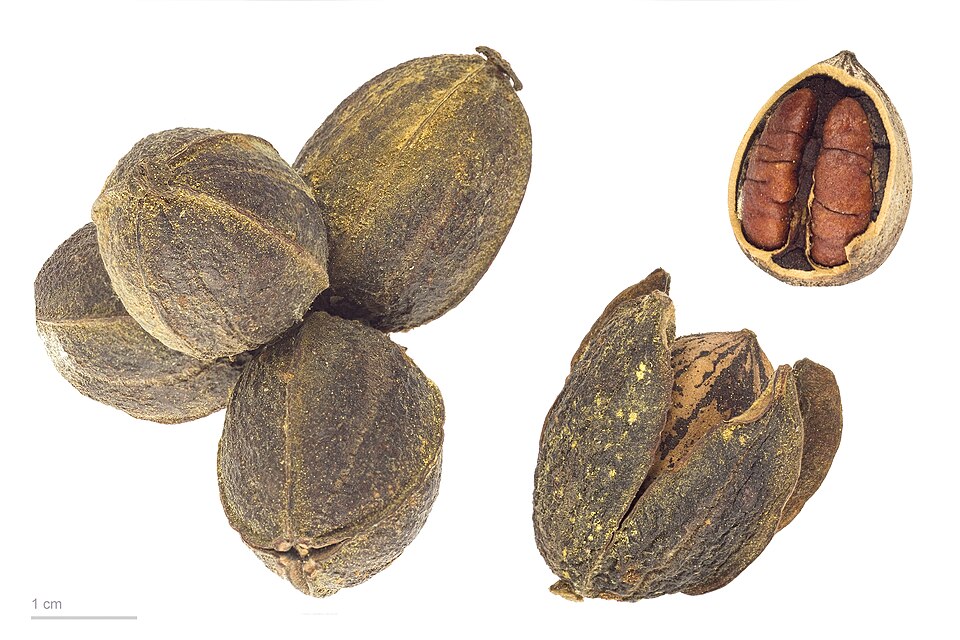
Botanical Description and Modern Scientific Context
The San Saba pecan is a historically significant cultivar of Carya illinoinensis, the North American pecan tree. It is a long-lived, large deciduous hardwood that commonly reaches 60–100 feet (18–30 m) at maturity with a broad, spreading canopy and deep taproot supported by extensive lateral roots. Leaves are pinnately compound with 9–17 lanceolate leaflets, turning yellow-gold in autumn.
Nuts are medium to large with relatively thin shells and high kernel percentage. The kernels are known for exceptional sweetness, high oil content, and low bitterness—characteristics that made San Saba pecans famous well before modern commercial breeding prioritized uniformity and mechanical harvest traits.
In modern food science and nutrition literature, pecans are studied for their monounsaturated fats (primarily oleic acid), polyphenols (ellagic acid, flavonoids, proanthocyanidins), tocopherols (vitamin E forms), plant sterols, and minerals. These compounds are discussed in relation to lipid metabolism, oxidative stress pathways, endothelial function, and gut microbiome interactions within whole-food dietary frameworks rather than pharmaceutical contexts.
Origin, Texas History, and Cultural Importance
The San Saba pecan originates from Central Texas, specifically the San Saba River valley, an area that became internationally known in the late 1800s and early 1900s as the “Pecan Capital of the World.”
Unlike many named cultivars developed through controlled breeding, San Saba pecans trace back to native seedling selections from wild Texas pecan populations. These trees were selected for nut quality rather than orchard uniformity.
By the early 20th century, San Saba pecans were exported worldwide and widely regarded as among the finest pecans available. Their reputation helped establish Texas as a global pecan producer and influenced later cultivar development.
Texas Heritage Cultivar
San Saba pecans represent a direct link to the wild pecan groves that once lined Central Texas river systems. Their selection from native populations—rather than controlled crosses—gives them deep regional adaptation and genetic resilience that many modern cultivars lack.
Tree Morphology, Flowering, and Reproductive Biology
Pecan trees are monoecious, producing separate male (catkins) and female (pistillate) flowers on the same tree.
San Saba pecans are typically protandrous (Type I), meaning male flowers release pollen before female flowers become receptive. This makes cross-pollination with Type II pecans important for consistent yields.
Pollination is wind-driven. Genetic diversity among nearby trees significantly improves nut set, size, and fill.
Nuts are true drupes, with the edible kernel enclosed in a hard shell and green outer shuck that splits open at maturity.
Cross-Pollination Requirement
Because San Saba pecans are protandrous (Type I), planting at least one protogynous (Type II) cultivar nearby is strongly recommended. Without adequate cross-pollination, nut set may be poor and kernel fill inconsistent, even when trees appear healthy and vigorous.
Climate Adaptation and Environmental Requirements
San Saba pecans are well adapted to USDA zones 6–9, with optimal performance in hot summers and cold winters that meet dormancy requirements.
| Parameter | Optimal Range |
|---|---|
| Winter Chilling Requirement | 400–800 hours below 7°C (45°F) |
| Summer Heat | 30–38°C (86–100°F) supports kernel fill |
| Sunlight | Full sun (8+ hours daily) |
| Annual Rainfall / Irrigation | 900–1,300 mm, especially during nut sizing (July–September) |
| Frost Tolerance | Excellent during dormancy; spring frosts can damage flowers |
Pecans are highly flood-tolerant compared to most nut trees, reflecting their native river-bottom ecology.
Soil Preferences, Fertility, and Root Zone Management
San Saba pecans thrive in deep, well-drained alluvial soils, particularly loams and sandy loams along river systems.
Ideal Soil Parameters
| Parameter | Specification |
|---|---|
| Soil pH | 6.0–7.5 |
| Soil Depth | >1.5 m (5 ft) preferred |
| Drainage | Good to moderate; seasonal flooding tolerated |
Nutrient Requirements
Nutrient requirements are relatively high due to the large canopy and nut production demands:
| Nutrient | Role |
|---|---|
| Nitrogen (N) | Drives canopy growth and yield |
| Zinc (Zn) | Critical for leaf expansion and nut development (deficiency is common) |
| Potassium (K) | Supports kernel fill and oil synthesis |
| Phosphorus (P) & Magnesium (Mg) | Support root health and photosynthesis |
Leaf tissue analysis is commonly used to guide fertility programs due to the tree’s long response time.
Zinc Deficiency Alert
Zinc deficiency is the most common micronutrient issue in pecan production, particularly in alkaline soils. Symptoms include rosetting of terminal leaves, stunted shoot growth, and reduced nut size. Foliar zinc sprays applied during early spring growth are the standard corrective measure.
Propagation, Rootstocks, and Establishment
True San Saba pecans are propagated by grafting scion wood onto seedling pecan rootstocks, often derived from native Texas pecans for adaptation and vigor.
Planting Specifications
| Parameter | Specification |
|---|---|
| Planting Time | During dormancy (bare-root or containerized) |
| Spacing | 40–60 feet (12–18 m) |
| Graft Union | Maintained above soil level |
| Initial Training | Central leader encouraged early |
| First Bearing | 6–10 years |
| Full Production | 15–25 years |
Growth Habit, Training, and Orchard Management
Young trees are trained to a central leader to develop strong branch architecture capable of supporting heavy nut loads.
Minimal pruning is performed once mature, focusing on:
- Removing dead or crossing limbs
- Improving airflow and light penetration
- Managing tree height for harvest access
Pecans exhibit alternate bearing, producing heavy crops one year followed by lighter crops the next if unmanaged. Crop thinning and nutrition help moderate this cycle.
Flowering, Nut Development, and Yield Dynamics
Flowering occurs in spring after bud break. Nut development proceeds through several stages:
- Pollination and fertilization
- Shell hardening
- Kernel fill (late summer)
- Shuck split and nut drop in fall
Mature San Saba trees may produce 100–300 lb (45–135 kg) of in-shell nuts annually under favorable conditions.
Alternate Bearing Management
Alternate bearing is a natural physiological pattern in pecans where heavy crop years deplete carbohydrate and nutrient reserves, leading to lighter yields the following season. Consistent irrigation during kernel fill, adequate zinc and nitrogen fertility, and timely harvest all help reduce the severity of the cycle.
Harvest Timing and Quality Optimization
Harvest occurs when shucks fully split and nuts fall naturally, typically October–November in Central Texas.
- Early harvest reduces kernel fill and oil content
- Delayed harvest increases wildlife loss
- Nuts are collected promptly to prevent mold and insect damage
Post-Harvest Handling, Drying, and Storage
Freshly harvested pecans contain 20–30% moisture and must be dried promptly to ensure quality and shelf life.
| Parameter | Specification |
|---|---|
| Drying Temperature | ≤35°C (95°F) |
| Target Moisture | 4–6% |
| In-Shell Storage | 0–4°C (32–39°F), low humidity |
| Shelled Kernel Storage | Refrigerated or frozen to prevent oil oxidation |
Oil Oxidation Sensitivity
High oil content makes San Saba pecans especially sensitive to heat and light during storage. Exposure to warm temperatures or direct light accelerates rancidity and degrades the delicate flavor profile that distinguishes this cultivar. Refrigeration or freezing is strongly recommended for long-term storage.
Processing, Preservation, and Transformation
San Saba pecans lend themselves to a variety of processing methods due to their thin shells and high kernel quality:
- Shelling: Thin shells allow high kernel recovery with minimal breakage
- Roasting: Low-temperature roasting enhances flavor without oxidizing oils
- Grinding: Used for nut butters and gluten-free flours
- Cold storage: Preserves sweetness and aroma over extended periods
- Oil extraction: Produces a mild, aromatic oil high in oleic acid
Excessive heat degrades polyphenols and accelerates rancidity. Low-temperature processing methods are preferred to preserve both nutritional value and sensory quality.
Culinary Use, Intake Forms, and Integration
San Saba pecans are prized for raw consumption due to their natural sweetness and low bitterness. Common culinary uses include:
- Fresh snacking
- Baking and desserts
- Savory dishes and sauces
- Nut butters
- Confections and pralines
Typical servings range from 28–50 g (1–2 oz). The fat content of pecans improves absorption of fat-soluble nutrients from other foods consumed alongside them.
Functional Compound Context
Pecans contain a range of bioactive compounds studied within whole-nut dietary patterns rather than as isolated extracts:
| Compound | Role |
|---|---|
| Oleic Acid | Supports lipid balance and oxidative stability |
| Polyphenols | Concentrated in the seed coat; studied for antioxidant activity |
| Tocopherols | Protect oils from oxidation (vitamin E forms) |
| Plant Sterols | Contribute to cholesterol metabolism signaling |
System Integration and Additional Considerations
San Saba pecans are ideal for agroforestry and riparian systems, providing shade, wildlife habitat, and long-term food production.
- Trees have lifespans exceeding 100–200 years, making them generational plantings
- Disease pressure includes pecan scab, aphids, and weevils; airflow, cultivar selection, and sanitation reduce issues
- Because of genetic variability in seedling descendants, true San Saba quality requires grafted trees, not seed-grown ones
Generational Investment
Pecan trees are among the longest-lived productive food plants in North America. A well-sited San Saba pecan planted today can be expected to produce quality nuts for multiple human generations, making site selection, soil preparation, and proper grafting among the most consequential decisions in the planting process.
Scientific and Authoritative References
This article is informed by data and conclusions drawn from, but not limited to:
- Thompson & Grauke, Pecan Cultivars of the United States
- USDA ARS Pecan Breeding Program
- FAO Nut Crop Production Manuals
- Wood et al., Horticultural Reviews
- King et al., Journal of Nutrition
- Villarreal-Lozoya et al., Journal of Food Composition and Analysis
- Morton, Fruits of Warm Climates
- EFSA reports on tree nuts and polyphenols
- Texas A&M AgriLife Pecan Production Guidelines
- Grauke & Thompson, Pecan Genetics and Breeding