Growing
Skullcap (Scutellaria lateriflora): The Quiet Nervine That Outperforms Its Reputation
Complete skullcap cultivation guide covering American skullcap botany, wetland growing, baicalin chemistry, traditional nervine use, anxiety research.
On this page
Botanical Description
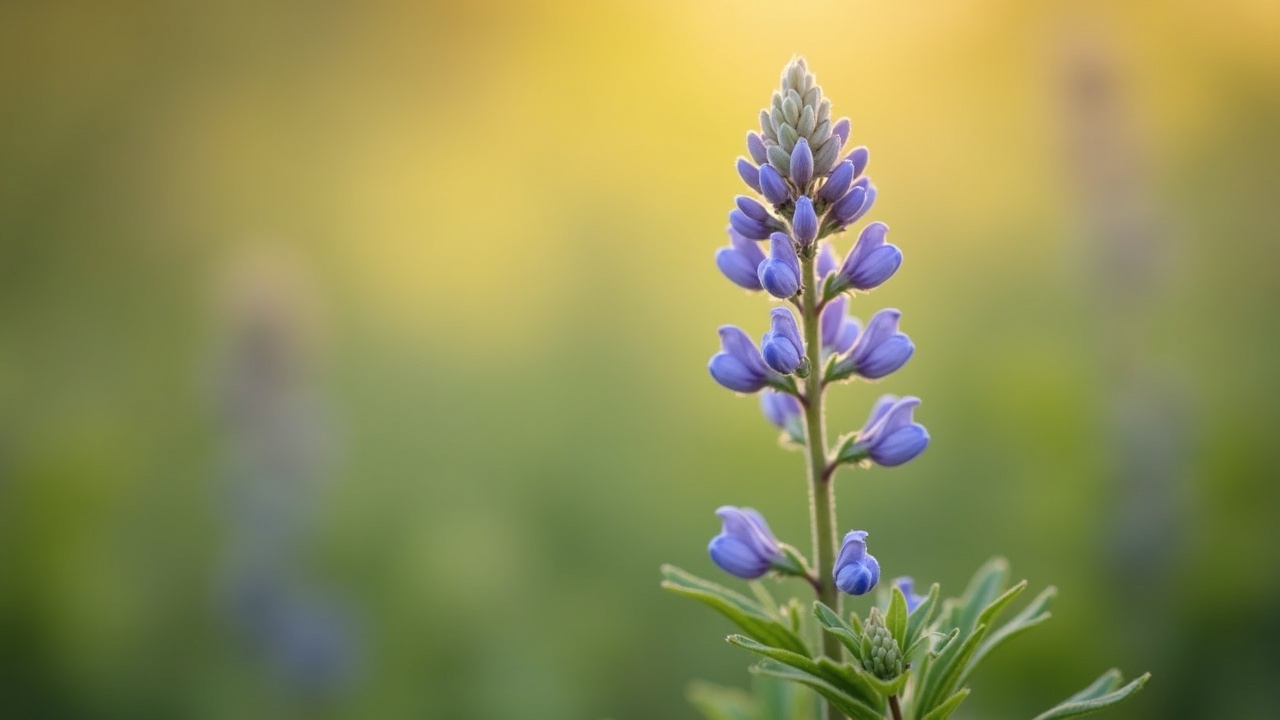
American skullcap (Scutellaria lateriflora) is a slender, branching perennial in the mint family (Lamiaceae) native to moist habitats across North America, from stream banks and wet meadows to woodland edges and marshes. The plant grows 12–30 inches tall with opposite, toothed leaves and distinctive small blue-to-violet flowers arranged in one-sided racemes along the upper stems.
The common name “skullcap” refers to the calyx, the cup-shaped structure at the base of each flower that resembles a miniature medieval helmet or skull cap. After flowering, the calyx closes and develops a distinctive crest on the upper lip, a feature diagnostic of the genus Scutellaria.
Two Very Different Skullcaps
American skullcap (S. lateriflora) and Chinese skullcap (S. baicalensis) are frequently confused in commerce and literature despite being different species with different phytochemical profiles and traditional uses. American skullcap is the Western nervine herb; Chinese skullcap (huang qin) is an anti-inflammatory and antimicrobial herb in Traditional Chinese Medicine. Both contain flavonoids, but in different proportions and with different clinical applications. This article covers the American species exclusively.
Habitat and Growing Requirements
Skullcap is a moisture-loving plant that thrives in conditions most herbs would find intolerable. It naturally inhabits stream margins, flood plains, and damp woodland clearings where the soil stays consistently moist through the growing season.
| Parameter | Range / Tolerance |
|---|---|
| USDA Hardiness Zones | 3–8 |
| Light | Partial shade to full sun (with moisture); dappled woodland light ideal |
| Moisture | High; consistently moist soil required; tolerates periodic flooding |
| Soil | Rich, organic, slightly acidic; pH 5.5–7.0 |
| Frost Tolerance | Excellent; winter-hardy throughout its range |
| Heat Tolerance | Moderate; requires shade and irrigation in hot climates |
Cultivation and Propagation
| Factor | Details |
|---|---|
| Propagation | Seed (cold stratify 2 weeks), stem cuttings, or division |
| Germination | 14–28 days; erratic without stratification |
| Spacing | 10–15 inches; spreads by underground runners |
| Companion Plants | Pairs well with other moisture-lovers: bee balm, boneset, Joe Pye weed |
| Harvest Timing | Aerial parts during peak flowering; second-year plants preferred |
In Texas, skullcap benefits from placement in a rain garden, along a drip line, or in a consistently irrigated shade bed. It will not survive the dry, exposed conditions that suit rosemary or lavender. Container culture in a self-watering pot placed in partial shade is a practical alternative for arid-climate growers.
Phytochemistry
| Compound Class | Key Members |
|---|---|
| Flavonoids | Baicalin, baicalein, scutellarein, wogonin, chrysin, oroxylin A |
| Iridoids | Catalpol (minor component) |
| Amino Acids | GABA (present in fresh leaf tissue) |
| Volatile Terpenoids | Minor volatile oil fraction |
Baicalin and its aglycone baicalein are the primary flavonoids of interest. Research suggests these compounds modulate GABA-A receptors similarly to benzodiazepines but with greater selectivity, potentially explaining the anxiolytic effects without significant sedation that traditional herbalists have long observed.
The Adulteration Problem
Buyer Beware
American skullcap is one of the most frequently adulterated herbs in commerce. Cheaper germander (Teucrium species) has been substituted for skullcap in supplements, and germander is hepatotoxic, it can cause serious liver damage. Several cases of “skullcap hepatotoxicity” in the medical literature are now believed to have been caused by germander contamination rather than genuine skullcap. Growing your own or purchasing from verified sources with identity-tested material is strongly recommended.
Traditional and Functional Uses
- Nervous system support: The primary traditional use. Classified as a “nervine tonic”, an herb that calms and nourishes the nervous system without significant sedation.
- Anxiety and tension: Used for nervous tension, worry, circular thinking, and the inability to “switch off” at the end of the day.
- Sleep onset: Taken before bed as a tea or tincture to ease the transition into sleep, particularly when racing thoughts are the barrier.
- Muscle tension: Included in formulas for tension headaches and stress-related muscle tightness.
Clinical Research
- Anxiety: A notable 2003 double-blind crossover study reported that skullcap significantly reduced anxiety in healthy volunteers without causing sedation. A 2014 pilot study confirmed anxiolytic effects and called for larger confirmatory trials.
- Safety: When genuine S. lateriflora is used (verified by authentication testing), clinical trials consistently report no significant adverse effects and no liver enzyme elevations.
- GABAergic mechanism: In vitro studies confirm positive allosteric modulation of GABA-A receptors by skullcap flavonoids, providing a plausible mechanism for the traditional anxiolytic use.
Precautions
- Source verification: Only use authenticated S. lateriflora to avoid germander substitution.
- Pregnancy: Insufficient safety data; traditionally avoided during pregnancy.
- Sedative interactions: May potentiate prescription anxiolytics and sedatives.
Extraction & Preparation
Skullcap’s primary active compounds are the flavonoids baicalin and baicalein, along with scutellarin and wogonin. These are moderately heat-stable, but the plant also contains volatile iridoid glycosides that contribute to the nervine effect and are partially degraded by high heat. Fresh plant or recently dried aerial parts are strongly preferred. Commercial skullcap is frequently adulterated with germander (Teucrium) species, which are hepatotoxic.
Simple Home Methods
Skullcap’s flavonoids extract well in both water and alcohol. Fresh plant is the gold standard. If you have access to garden-grown Scutellaria lateriflora, the fresh plant tincture is noticeably stronger than any dried preparation. Vinegar works as an alcohol-free option. Always verify species identity. Germander adulteration is documented and germander is hepatotoxic.
Tea: Steep 1–2 teaspoons of dried skullcap aerial parts in hot (not boiling) water for 12–15 minutes, covered. Strain and drink. Mixes well with passionflower and chamomile for a sleep blend. Drink 1–3 cups as needed.
Mason jar tincture (fresh plant): Pack a mason jar tightly with fresh skullcap aerial parts harvested at early bloom, chop them finely first to release the juice. Cover completely with 80-proof vodka. Seal and macerate 4–6 weeks. Strain through cheesecloth and press hard. This fresh-plant preparation is significantly more potent than dried herb tinctures. Dose: 2–3 mL in water.
Mason jar tincture (dried herb): Fill a jar halfway with dried aerial parts, top with 80-proof vodka, seal, macerate 4 weeks. Shake every few days. Strain and press. Dose: 3–4 mL. Use a higher volume than fresh plant tincture to compensate for reduced potency from drying.
Vinegar tincture (alcohol-free): Fill a mason jar with dried skullcap, cover with raw apple cider vinegar, seal, and macerate 4–6 weeks. Shake regularly. Strain and press. Take 1–2 tablespoons in water or juice up to 3 times daily. Shelf life 1–2 years stored cool and dark. This is a legitimate preparation. Baicalin has reasonable solubility in acidic aqueous solutions.
Warm oil infusion: Fill a mason jar with dried herb, cover with MCT oil or olive oil, and place in a pot of water at 140°F for 4–6 hours. Maintain temperature with a thermometer, don’t go above 160°F. Strain and press through cheesecloth. The oil infusion captures the fat-soluble flavonoid fraction for topical use or can be taken orally in small doses (1 teaspoon). Useful as a base for a calming muscle rub when combined with magnesium flakes dissolved in water and emulsified.
Fresh Plant Tincture
The traditional and most consistently effective preparation is a fresh plant tincture made from the aerial parts harvested at early bloom when baicalin levels peak. Macerate fresh, finely chopped herb at a 1:2 ratio in 60% ethanol immediately after harvest. The volatile nervous-system-active compounds are best preserved in fresh plant extraction. Dried skullcap loses potency rapidly. Most commercial dried herb is old and depleted.
Dried Herb Infusion
Steep 1–2 teaspoons of recently dried skullcap in hot (not boiling) water for 10–15 minutes covered. Baicalin is moderately water-soluble; this preparation captures a portion of the flavonoid content. Use recently dried, properly sourced material. If the herb has no aroma, it’s old and the volatile fraction is gone. This preparation is milder than a fresh plant tincture but accessible for daily nervine tea use.
Sourcing Note
Adulteration with hepatotoxic germander is documented and remains a problem in commercial skullcap. When purchasing dried herb or commercial extract, require a certificate of analysis confirming species identity (DNA or thin-layer chromatography verification). For home growing, start from seed or rooted cutting from a verified Scutellaria lateriflora source.
Product Use
Skullcap is used as a nervous system relaxant for anxiety, tension headache, and sleep support. The flavonoids modulate GABA-A receptors (anxiolytic, sedative effect) and inhibit beta-amyloid aggregation (neuroprotective). It is a genuine nervine with a broad safety record in traditional use. Dose: 1–2 mL fresh plant tincture or 2–4 mL dried plant tincture, 2–3 times daily. Not habit-forming. Combines well with passionflower and valerian for sleep support.
References
- Wolfson & Hoffmann, Alternative Therapies (2003), anxiolytic RCT
- Brock et al., Phytotherapy Research (2014), anxiolytic pilot study
- Liao et al., Phytomedicine, GABA receptor modulation studies
- Awad et al., Phytomedicine, adulteration and hepatotoxicity review
- American Herbal Pharmacopoeia, Monograph on Scutellaria lateriflora
Common questions
What is botanical description?
American skullcap ( Scutellaria lateriflora ) is a slender, branching perennial in the mint family (Lamiaceae) native to moist habitats across North America, from stream banks and wet meadows to woodland edges and marshes. The plant grows 12–30 inches tall with opposite, toothed leaves and distinctive small blue-to-violet flowers arranged in one-sided racemes along the upper stems. The common name “skullcap” refers to the calyx, the cup-shaped structure at the base of each flower that resembles a miniature medieval helmet or skull cap.
How do I grow skullcap?
Skullcap is a moisture-loving plant that thrives in conditions most herbs would find intolerable. It naturally inhabits stream margins, flood plains, and damp woodland clearings where the soil stays consistently moist through the growing season. USDA Hardiness Zones: 3–8. Light: Partial shade to full sun (with moisture); dappled woodland light ideal. Moisture: High; consistently moist soil required; tolerates periodic flooding.
How do I propagate skullcap?
Propagation: Seed (cold stratify 2 weeks), stem cuttings, or division. Germination: 14–28 days; erratic without stratification. Spacing: 10–15 inches; spreads by underground runners. Companion Plants: Pairs well with other moisture-lovers: bee balm, boneset, Joe Pye weed. Harvest Timing: Aerial parts during peak flowering; second-year plants preferred.
What pests and diseases affect skullcap?
American skullcap is one of the most frequently adulterated herbs in commerce. Cheaper germander ( Teucrium species) has been substituted for skullcap in supplements, and germander is hepatotoxic, it can cause serious liver damage. Several cases of “skullcap hepatotoxicity” in the medical literature are now believed to have been caused by germander contamination rather than genuine skullcap. Growing your own or purchasing from verified sources with identity-tested material is strongly recommended.
What has skullcap traditionally been used for?
Nervous system support: The primary traditional use. Classified as a “nervine tonic”, an herb that calms and nourishes the nervous system without significant sedation. Anxiety and tension: Used for nervous tension, worry, circular thinking, and the inability to “switch off” at the end of the day. Sleep onset: Taken before bed as a tea or tincture to ease the transition into sleep, particularly when racing thoughts are the barrier. Muscle tension: Included in formulas for tension headaches and stress-related muscle tightness.
What is clinical research?
Anxiety: A notable 2003 double-blind crossover study reported that skullcap significantly reduced anxiety in healthy volunteers without causing sedation. A 2014 pilot study confirmed anxiolytic effects and called for larger confirmatory trials. lateriflora is used (verified by authentication testing), clinical trials consistently report no significant adverse effects and no liver enzyme elevations. GABAergic mechanism: In vitro studies confirm positive allosteric modulation of GABA-A receptors by skullcap flavonoids, providing a plausible mechanism for the traditional anxiolytic use.
What can I make from skullcap?
Skullcap’s primary active compounds are the flavonoids baicalin and baicalein, along with scutellarin and wogonin. These are moderately heat-stable, but the plant also contains volatile iridoid glycosides that contribute to the nervine effect and are partially degraded by high heat. Fresh plant or recently dried aerial parts are strongly preferred. Commercial skullcap is frequently adulterated with germander ( Teucrium ) species, which are hepatotoxic. Skullcap’s flavonoids extract well in both water and alcohol.