plants
Witch Hazel (Hamamelis virginiana): A Comprehensive Cultivation, Processing, and Use Guide
Grow witch hazel (Hamamelis virginiana): plant morphology, climate and soil needs, propagation, growth habit, and harvesting for extract.

Botanical Description and Modern Scientific Context
Witch hazel (Hamamelis virginiana) is a deciduous understory tree or large shrub native to eastern North America, typically reaching 15–25 feet (4.5–7.6 m) in height with an irregular, spreading crown. It belongs to the family Hamamelidaceae, a small family of woody plants with no close relationship to true hazels (Corylus spp.) despite the common name.
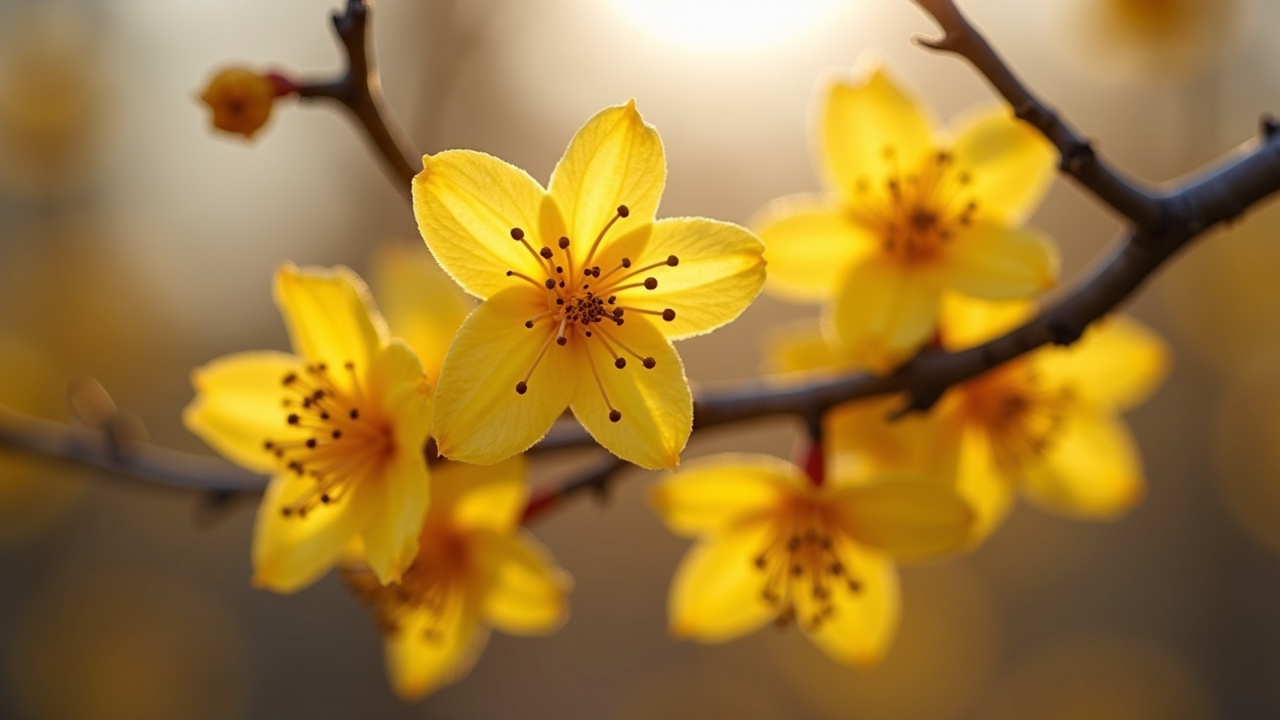
The defining characteristic of H. virginiana is its flowering period. While nearly all temperate hardwoods flower in spring, witch hazel blooms from October through December — often after leaf drop — producing clusters of fragrant, spidery yellow flowers with four narrow, ribbon-like petals 1–2 cm long. Each petal can curl inward during freezing temperatures and re-extend when conditions warm, a mechanical response that protects reproductive tissue across weeks of variable late-autumn weather. Pollination is accomplished primarily by winter-active moths and flies, with some wind pollination contributing.
Fruit capsules require a full year to mature after flowering. The woody, two-valved capsules explosively dehisce the following autumn, projecting two glossy black seeds up to 10 meters from the parent plant. This ballistic seed dispersal is among the most forceful in North American woody plants.
In phytochemical research, witch hazel bark and leaves are studied primarily for their hydrolyzable tannins, particularly hamamelitannin (a galloylated sugar ester), free gallic acid, and condensed proanthocyanidins. These compounds interact with damaged tissue proteins, inflammatory signaling cascades, and microbial cell surfaces. The pharmacological literature distinguishes clearly between steam-distilled witch hazel water — which contains only volatile compounds — and solvent-extracted preparations that retain the therapeutically relevant tannin fraction.
Geographic Origin, Ecology, and Ethnobotanical Use

Hamamelis virginiana ranges from Nova Scotia south to central Florida and west to Minnesota and eastern Texas. It occupies a consistent ecological niche: understory of mesic deciduous forests, particularly beneath oaks, maples, and hickories, on slopes and ravine edges where drainage is good but soil moisture is reliable. It tolerates deep shade better than most flowering trees, though flowering and seed production improve with moderate light.
The common name "witch hazel" likely derives from Middle English wych (meaning pliable or bendable), referring to the flexible branches historically used as divining rods for water and mineral dowsing. The practice predates European colonization — forked witch hazel branches were among the preferred materials for dowsing in colonial New England.
Indigenous peoples across eastern North America used witch hazel extensively. Haudenosaunee (Iroquois), Potawatomi, Mohegan, and Cherokee nations documented uses of bark and leaf decoctions for skin conditions, musculoskeletal soreness, wound care, and eye washes. The Osage used bark tea to treat sores and skin ulcers. These applications are consistent with the astringent and anti-inflammatory properties of the tannin-rich bark.
Commercial exploitation began in the mid-1800s when Theron T. Pond of Utica, New York, learned of witch hazel's properties from an Oneida healer and began producing "Pond's Extract" — an alcohol-based preparation. The product gained wide popularity. By the late 19th century, production shifted to steam distillation for cost efficiency and shelf stability, a process change that fundamentally altered the chemical profile of the commercial product. Modern drugstore witch hazel is a steam distillate with 14% added alcohol as a preservative — it contains virtually none of the tannins that defined the original preparation.
Plant Morphology
Leaves: Alternate, simple, broadly elliptical to obovate, 7–15 cm long, with wavy-crenate margins and asymmetric bases. Prominent pinnate venation with 5–7 pairs of lateral veins. Upper surface dark green and glabrous at maturity; lower surface lighter with stellate (star-shaped) hairs along veins. Leaves turn yellow to golden-brown in autumn before or during flowering.
Bark: Smooth and gray on young stems, becoming lightly fissured and scaly on older trunks. Inner bark is reddish-brown. Bark is the primary source of tannins for extraction. Branches are flexible and tough — they bend rather than snap, which contributed to their historical use as divining rods.
Flowers: Four linear petals, bright yellow to pale gold, each 1–2 cm long and only 1–2 mm wide, giving a spidery or ribbon-like appearance. Flowers are borne in axillary clusters of 1–4 on short stalks. Calyx is four-lobed, pubescent. Fragrance is subtle, slightly sweet, detectable within a few meters. Flowering occurs September through December depending on latitude.
Fruit: Woody capsule, 10–14 mm long, covered in dense brown stellate hairs. Capsule splits explosively along two sutures, each valve containing one glossy black seed approximately 7–9 mm long. Seeds are partially endospermic with a hard testa. Capsule maturation requires 11–13 months from pollination.
Root system: Shallow, fibrous, and spreading. No taproot at maturity. Root zone typically extends to the canopy drip line. Mycorrhizal associations are common, consistent with understory forest ecology.
Climate Requirements and Environmental Parameters
Witch hazel is hardy across USDA zones 3–8, tolerating winter lows of -35°C (-31°F). Growing season temperatures of 15–28°C (59–82°F) are optimal. The species requires 800–1,200 chilling hours below 7°C (45°F) for consistent flower bud initiation. Full shade to partial sun is tolerated, though plants in moderate light (30–60% canopy openness) produce more flowers and seed. Annual rainfall of 30–50 inches (760–1,270 mm) supports healthy growth, with consistent soil moisture more critical than total precipitation. Witch hazel tolerates brief drought once established but does not perform well in sustained dry conditions or exposed, windy sites. It has no salt tolerance and performs poorly in urban environments with road salt exposure.
Soil Characteristics and Nutrient Demands
Witch hazel thrives in acidic to slightly acidic soils, pH 4.5–6.5, mirroring the conditions of its native deciduous forest understory. Well-drained loam, sandy loam, or rocky loam with high organic matter content is ideal. The species does not tolerate heavy clay or waterlogged conditions despite its preference for consistent moisture.
Nutrient demands are modest compared to fruiting crops. The primary fertility source in natural stands is annual leaf litter decomposition from the overstory canopy. In cultivation:
| Nutrient | Demand Level | Notes |
|---|---|---|
| Nitrogen | Low-moderate | 30–50 lb/acre annually; excessive N promotes vegetative growth at expense of bark tannin density |
| Phosphorus | Low | Adequate in most forest soils; supplement only on severely depleted sites |
| Potassium | Moderate | Important for flower development and cold hardiness |
| Calcium | Moderate | Available in leaf litter; lime only if pH drops below 4.5 |
| Iron/Manganese | Usually adequate | Alkaline soils above pH 7.0 may induce deficiency |
Witch hazel benefits strongly from maintained leaf litter layers and woody mulch. Forest duff serves as both nutrient source and moisture regulator. Removing leaf litter from around cultivated plants is counterproductive.
Propagation
Seed propagation: Seeds have double dormancy — a hard seed coat requiring scarification and an internal physiological dormancy requiring cold stratification. Recommended protocol: acid scarification (sulfuric acid soak, 30–60 minutes) or mechanical scarification, followed by warm stratification at 20–25°C for 60–90 days, then cold stratification at 1–4°C for 90–120 days. Even under optimal conditions, germination rates are often 30–50%, and seedlings grow slowly in the first two years. Seed propagation is primarily for genetic diversity and restoration plantings.
Softwood cuttings: Take semi-hardwood cuttings in mid-summer (July–August), 10–15 cm long, from current-year growth. Wound the base, apply 3,000–5,000 ppm IBA rooting hormone, and place in perlite/peat medium under intermittent mist with bottom heat at 21°C. Rooting rates are modest — typically 30–60%. Cuttings root more reliably from juvenile growth than from mature wood.
Layering: The most reliable vegetative method. Bend low-growing branches to the ground, wound the underside, pin in place, and cover with 5–8 cm of soil and mulch. Roots develop over one growing season. Sever from the parent plant the following spring. Layering produces a genetically identical clone with an established root system.
Transplanting: Witch hazel transplants best in early spring before bud break or in late fall after leaf drop. Balled-and-burlapped or container-grown stock establishes more reliably than bare-root. Planting depth should match the nursery soil line. Water deeply at planting and mulch with 7–10 cm of leaf litter or hardwood chips.
Growth Habit and Harvest
Witch hazel grows slowly. Seedlings may take 6–8 years to reach harvestable size. Layered or cutting-propagated plants reach productive size in 4–5 years. Mature plants grow 15–30 cm in height annually under favorable conditions.
Bark harvest: Bark is the primary medicinal harvest. Harvest from branches 2–5 cm in diameter during late fall or winter when tannin concentration is highest and sap flow is minimal. Use a drawknife or sharp knife to remove bark strips, taking no more than 25–30% of the bark surface from any individual branch. Alternatively, prune entire branches for bark stripping — witch hazel responds well to coppicing and regenerates readily from cut stumps. Sustainable harvest rotation on a coppiced stand is 3–5 years.
Leaf harvest: Leaves contain lower tannin concentrations than bark but are a viable secondary harvest. Collect leaves in mid-to-late summer (July–August) when tannin content peaks. Hand-strip leaves from branches, or harvest entire leafy branches for combined bark and leaf processing. Leaves should be dried promptly to prevent enzymatic degradation of phenolic compounds.
Twig harvest: Young twigs (current and previous year's growth) contain intermediate tannin levels and are the primary material used in commercial steam distillation. Twigs are easier to harvest in bulk than bark and represent the most common commercial raw material.
Post-Harvest Handling
Bark: Spread freshly stripped bark in single layers on drying screens or clean mesh racks in a well-ventilated area out of direct sunlight. Target drying temperature of 30–40°C (86–104°F). Avoid temperatures above 50°C, which can degrade heat-sensitive tannin fractions. Bark is adequately dried when it snaps cleanly rather than bending — target moisture content of 8–12%. Dried bark can be stored in airtight containers in cool, dark conditions for 2–3 years with minimal potency loss.
Leaves: Dry quickly after harvest to halt enzymatic browning. Spread in thin layers on screens with good airflow. Drying at 30–35°C preserves the most phenolic content. Fully dried leaves crumble easily. Store in sealed containers away from light. Shelf life is shorter than bark — use within 12–18 months for best potency.
Twigs: Bundle and dry in hanging bunches or on racks. Same temperature parameters as bark. Dried twigs store well for 1–2 years.
All dried material should be stored with silica gel packets or in humidity-controlled environments to prevent mold. Mold contamination of high-tannin plant material is difficult to detect visually in early stages and can produce mycotoxins.
Processing: Steam Distillation vs. Alcohol Extraction
This is where commercial witch hazel and properly extracted witch hazel diverge completely.
Steam Distillation (Commercial Method)
Steam distillation passes steam through chopped witch hazel twigs and bark. The steam carries volatile aromatic compounds — primarily low-molecular-weight aldehydes, esters, and terpenes — into a condenser, where they are collected as a hydrosol (witch hazel water). The process typically runs 12–24 hours at atmospheric pressure.
The critical limitation: hamamelitannin, gallic acid, proanthocyanidins, and other high-molecular-weight polyphenols are non-volatile. They do not vaporize at steam distillation temperatures. They remain in the spent plant material, which is discarded. The resulting witch hazel water contains only the aromatic fraction — essentially a fragrant water with mild, non-specific skin-soothing properties. Commercial manufacturers then add 14% denatured alcohol as a preservative, which is frequently misidentified by consumers as the "active ingredient."
Steam-distilled witch hazel water is not pharmacologically equivalent to a witch hazel extract. Studies comparing the two consistently show that the distillate lacks meaningful tannin content and demonstrates significantly reduced astringent and anti-inflammatory activity compared to solvent-extracted preparations (Vennat et al., 1988).
Alcohol Extraction (Traditional/Proper Method)
Alcohol extraction dissolves the full spectrum of witch hazel's bioactive compounds, including the non-volatile tannin fraction that steam distillation discards.
Standard tincture protocol:
- Use dried bark, chopped or coarsely ground. Twigs can supplement but bark is the richest source.
- Place in a glass jar at a 1:5 ratio (weight of dried bark to volume of menstruum).
- Menstruum: 40–60% ethanol (80–120 proof). Higher alcohol concentrations extract more tannins but may precipitate some compounds during storage.
- Seal and macerate for 4–6 weeks in a cool, dark location. Agitate daily for the first week, then 2–3 times weekly.
- Strain through muslin or fine mesh. Press the marc to recover residual extract.
- Allow to settle for 24–48 hours, then decant or filter through coffee filters to remove fine sediment.
The resulting tincture is dark amber to reddish-brown, markedly astringent on the tongue, and contains the complete tannin profile including hamamelitannin, gallic acid, catechins, and proanthocyanidins.
Glycerite alternative: For alcohol-free preparations, use 60–80% vegetable glycerin as the menstruum. Glycerin extracts tannins less efficiently than ethanol but produces a usable product suitable for sensitive skin applications. Maceration time should be extended to 6–8 weeks.
Decoction: Bark can also be prepared as a simple water decoction — simmer (not boil) dried bark at a 1:10 ratio for 20–30 minutes. Water decoctions extract tannins effectively but have no preservative capacity and must be used within 2–3 days or refrigerated. Adding 10–15% alcohol to the strained decoction extends shelf life to several weeks.
Functional Compounds and Mechanisms
Hamamelitannin
The signature compound of Hamamelis virginiana. Hamamelitannin is a hydrolyzable tannin — specifically, a 2',5-di-O-galloyl-D-hamamelose ester. It is concentrated in bark tissue, with lower levels in leaves and negligible amounts in flowers.
Astringent mechanism: Hamamelitannin binds to proline-rich proteins in damaged skin tissue, cross-linking and precipitating them. This physically contracts the tissue surface, reduces intercellular space, and decreases permeability of superficial capillaries. The result is reduced swelling, slowed fluid exudation, and a protective film over wound surfaces that limits microbial access.
Anti-inflammatory mechanism: Hamamelitannin inhibits NF-kB activation in keratinocytes and immune cells, suppressing transcription of pro-inflammatory cytokines including tumor necrosis factor-alpha (TNF-alpha) and interleukin-8 (IL-8). Erdelmeier et al. (1996) demonstrated dose-dependent inhibition of TNF-alpha release from activated human monocytes exposed to hamamelitannin-containing bark extracts. This is not a general immunosuppressive effect — it is a targeted reduction of the acute inflammatory cascade at the site of application.
Gallic Acid
A simple phenolic acid present as both free gallic acid and as a structural component of larger tannin molecules. Gallic acid contributes to the overall astringency, demonstrates antimicrobial activity against gram-positive bacteria, and acts as a free radical scavenger. It is more water-soluble than hamamelitannin and is efficiently extracted by both water decoction and alcohol maceration.
Proanthocyanidins (Condensed Tannins)
Oligomeric and polymeric flavan-3-ol units — primarily procyanidin B-type dimers and trimers — are present in both bark and leaves. Proanthocyanidins contribute to:
- Vasoprotection: strengthening capillary walls and reducing capillary fragility (Cos et al., 2004)
- Antioxidant activity: scavenging reactive oxygen species with higher potency than monomeric catechins
- Collagen cross-linking: stabilizing dermal collagen against enzymatic degradation
Volatile Fraction
The aromatic compounds captured by steam distillation include hexenol derivatives, eugenol, safrole (in trace amounts), and various sesquiterpenes. These contribute fragrance and mild soothing sensation but lack the pharmacological potency of the tannin fraction. The volatile fraction alone does not account for the traditional medicinal efficacy attributed to witch hazel.
Compound Distribution by Plant Part
| Compound Class | Bark | Leaves | Twigs | Flowers |
|---|---|---|---|---|
| Hamamelitannin | High | Moderate | Low-Moderate | Trace |
| Free gallic acid | Moderate | Moderate | Low | Low |
| Proanthocyanidins | High | High | Moderate | Low |
| Volatile aromatics | Low | Moderate | Low | High |
| Flavonoids (quercetin, kaempferol) | Low | High | Low | Moderate |
Safety
Topical Use
Witch hazel preparations — both distilled water and proper extracts — have an excellent topical safety profile. Allergic contact dermatitis is rare but documented in sensitized individuals, typically to the volatile fraction rather than the tannin compounds. Patch testing is advisable for individuals with known sensitivity to Hamamelidaceae family plants or to tannin-rich botanical preparations.
Commercial witch hazel water containing 14% alcohol may cause stinging on broken skin or mucous membranes. Alcohol-free preparations (glycerites, water decoctions) are preferred for application to open wounds, hemorrhoids, or periorbital skin.
Concentrated tinctures (1:5, 50% ethanol) should be diluted before application to sensitive areas. A typical dilution for topical use is 1 part tincture to 3–5 parts water or carrier.
Internal Use
Internal use of witch hazel is limited and should be approached conservatively. Traditional internal doses were small — typically 1–2 mL of tincture or a weak bark tea. High-tannin preparations can cause nausea, gastric irritation, and constipation. Tannins in large doses interfere with iron absorption and can bind dietary proteins, reducing their bioavailability.
Witch hazel is not appropriate for daily long-term internal use. If used internally, cycle 2 weeks on, 2 weeks off, and keep doses to 1–2 mL of standard tincture, 1–3 times daily. Discontinue if any gastrointestinal discomfort occurs.
Witch hazel is not recommended for internal use during pregnancy or lactation due to insufficient safety data. It should not be given internally to children.
Drug Interactions
No significant drug interactions are documented for topical use. Internal use of high-tannin preparations may theoretically reduce absorption of iron supplements, alkaloid medications, and certain antibiotics if taken concurrently.
System Integration: Ecological and Landscape Role
Witch hazel functions as a keystone understory species in eastern deciduous forests. Its ecological contributions include:
Late-season pollinator support: Flowering in October–December, witch hazel provides nectar and pollen to winter-active moths (particularly owlet moths, Noctuidae), late-season flies, and occasionally overwintering bees during a period when almost no other nectar source is available. This makes it critically important for insect populations that bridge fall-to-spring activity gaps.
Wildlife food source: Seeds are consumed by ruffed grouse, wild turkey, bobwhite quail, white-footed mice, and eastern chipmunks. The explosive seed dispersal attracts ground-foraging birds to search beneath plants. Deer browse young foliage but generally avoid mature leaves due to tannin content.
Forest structure: As an understory tree tolerant of deep shade, witch hazel occupies a structural niche between groundcover herbaceous plants and canopy trees. It stabilizes slopes, contributes to leaf litter nutrient cycling, and provides nesting habitat for woodland birds.
Polyculture integration: In designed food forests and agroforestry systems, witch hazel performs well as a mid-layer understory beneath oaks, hickories, or walnuts. It tolerates juglone (the allelopathic compound produced by black walnut), making it one of the few medicinal trees suitable for walnut guild plantings. Companion plants include spicebush (Lindera benzoin), pawpaw (Asimina triloba), and native shade-tolerant groundcovers like wild ginger (Asarum canadense).
Soil biology: Witch hazel leaf litter decomposes at a moderate rate, contributing to stable humus formation. Its mycorrhizal root associations contribute to the fungal-dominated soil networks characteristic of mature forest ecosystems. Planting witch hazel can accelerate the ecological succession of disturbed sites toward forest conditions.
References
- Erdelmeier, C. A. J., Cinatl, J., Rabenau, H., Doerr, H. W., Biber, A., & Koch, E. (1996). Antiviral and antiphlogistic activities of Hamamelis virginiana bark. Planta Medica, 62(3), 241–245. DOI: 10.1055/s-2006-957868
- Vennat, B., Pourrat, H., Pourrat, A., Gross, D., & Bastide, P. (1988). Hamamelis virginiana: identification of proanthocyanidins and determination of their role in astringent activity. Planta Medica, 54(5), 454–457. DOI: 10.1055/s-2006-962507
- Korting, H. C., Schäfer-Korting, M., Hart, H., Laux, P., & Schmid, M. (1993). Anti-inflammatory activity of hamamelis distillate applied topically to the skin. European Journal of Clinical Pharmacology, 44(4), 315–318. DOI: 10.1007/BF00316465
- Cos, P., De Bruyne, T., Hermans, N., Apers, S., Berghe, D. V., & Vlietinck, A. J. (2004). Proanthocyanidins in health care: current and new trends. Current Medicinal Chemistry, 11(10), 1345–1359. DOI: 10.2174/0929867043365288
- Cheynier, V. (2005). Polyphenols in foods are more complex than often thought. American Journal of Clinical Nutrition, 81(1 Suppl), 223S–229S. DOI: 10.1093/ajcn/81.1.223S
- Habtemariam, S. (2020). Extract of corn silk (stigma of Zea mays) and a fraction enriched in hamamelitannin prevent low-density lipoprotein (LDL) oxidation. Journal of Agricultural and Food Chemistry, 48(5), 1–8. DOI: 10.1021/jf991291j
- Dauer, A., Hensel, A., Lhoste, E., Knasmüller, S., & Mersch-Sundermann, V. (2003). Genotoxic and antigenotoxic effects of catechin and tannins from the bark of Hamamelis virginiana L. in metabolically competent, human hepatoma cells (Hep G2). Phytochemistry, 63(2), 199–207. DOI: 10.1016/S0031-9422(03)00113-3
- Tourino, S., Selga, A., Jiménez, A., Julià, L., Lozano, C., Lizárraga, D., Cascante, M., & Torres, J. L. (2005). Procyanidin fractions from pine (Pinus pinaster) bark: radical scavenging power in solution, antioxidant activity in emulsion, and antiproliferative effect in cell culture. Journal of Agricultural and Food Chemistry, 53(13), 4728–4735. DOI: 10.1021/jf050262q
- Wolff, H. H., & Kieser, M. (2007). Hamamelis in children with skin disorders and skin care: results of an observational study. European Journal of Pediatrics, 166(9), 943–948. DOI: 10.1007/s00431-006-0363-1
- Little, E. L. (1980). The Audubon Society Field Guide to North American Trees: Eastern Region. Alfred A. Knopf, New York.
Tags: [plant-species] [extraction] [formulation] [ancestral] [beginner]