guides
Yaupon Holly (Ilex vomitoria): Comprehensive Cultivation, Processing, and Use Guide
Complete guide to yaupon holly cultivation covering Ilex vomitoria growing parameters, caffeine chemistry, propagation, harvest timing, roasting methods.
Botanical Description and Modern Scientific Context
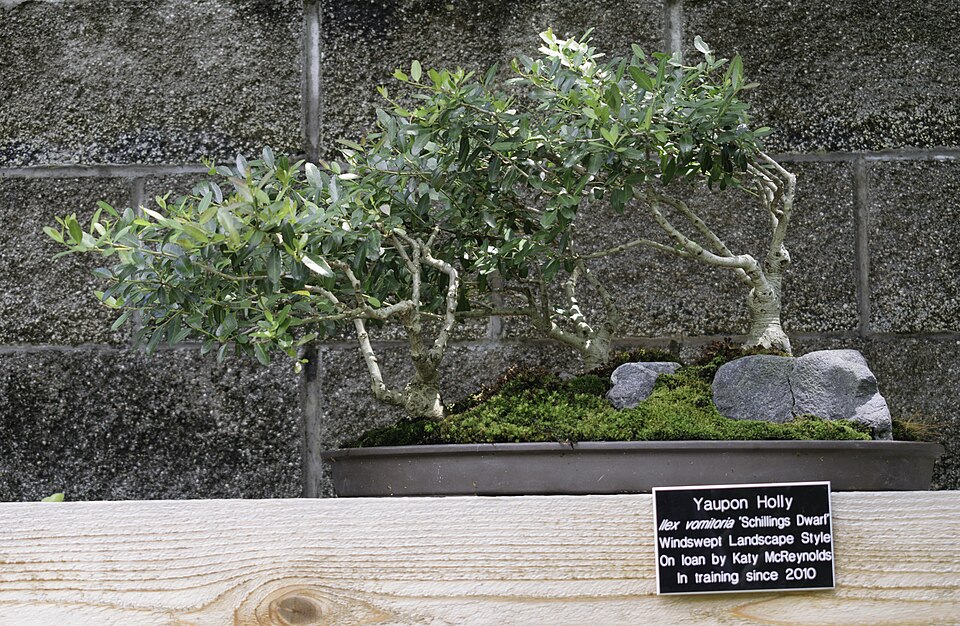
Yaupon holly, Ilex vomitoria, is an evergreen shrub or small tree in the Aquifoliaceae family, native to the southeastern United States. It typically grows 10–25 feet (3–7.5 m) tall, though it can be maintained as a dense shrub through pruning. The plant has small, glossy, oval leaves with finely serrated margins, smooth gray bark, and dense branching.
The species is dioecious, meaning male and female flowers occur on separate plants. Female plants produce abundant red berries in fall and winter when pollinated. Leaves and young stems are the primary harvested material for beverage use.
In modern scientific literature, yaupon holly is notable for its methylxanthine content, specifically caffeine and theobromine, as well as polyphenols, chlorogenic acids, triterpenes, and flavonoids. These compounds are studied for their interaction with adenosine receptors, central nervous system arousal pathways, cardiovascular tone, antioxidant signaling, and gut microbiota metabolism within food and ethnobotanical research contexts.
Uniqueness Among North American Plants
Yaupon holly is the only plant native to North America that naturally produces caffeine in meaningful quantities. While other caffeinated plants exist globally (tea, coffee, cacao, guayusa, yerba mate), yaupon is the sole endemic U.S. species with this biochemical trait.
This unique chemistry places yaupon in a small global group of caffeinated plants within the genus Ilex, alongside yerba mate (Ilex paraguariensis) and guayusa (Ilex guayusa), both native to South America.
North America’s Only Native Caffeinated Plant
Among the hundreds of thousands of plant species native to North America, Ilex vomitoria stands alone as the only one that biosynthesizes caffeine in concentrations sufficient for stimulant use. This places yaupon in a remarkably small global cohort of caffeinated species, all within the Ilex, Camellia, Coffea, Theobroma, and Paullinia genera.
Caffeine Content and Chemical Profile
Reported caffeine content in yaupon holly leaves typically ranges from 0.6% to 1.6% by dry weight, depending on leaf age, harvest season, growing conditions, and processing method (roasting vs. drying).
Caffeine Comparison Across Species
| Plant Source | Caffeine (% Dry Weight) |
|---|---|
| Yaupon Holly (Ilex vomitoria) | 0.6–1.6% |
| Yerba Mate (Ilex paraguariensis) | ~1–2% |
| Green Tea (Camellia sinensis) | ~2–4% |
| Coffee Beans (Coffea spp.) | ~1–2% |
Yaupon also contains theobromine, which contributes to a smoother stimulant profile often described as less jittery than coffee. Polyphenols and chlorogenic acids influence bitterness, mouthfeel, and antioxidant activity.
Geographic Origin, Ecology, and Indigenous History
Yaupon holly is native to coastal plains and inland regions from Texas to Virginia, thriving in sandy soils, maritime forests, pine savannas, and barrier islands.
Indigenous peoples of the southeastern United States, including the Timucua, Creek, Caddo, Choctaw, and Cherokee, prepared yaupon as a ceremonial beverage known historically as the “Black Drink.” Spanish explorers documented widespread yaupon use as early as the 1500s, making it one of the earliest caffeinated beverages consumed in North America.
On the Name “vomitoria”
Contrary to early European misconceptions, the species name vomitoria reflects ritual purification contexts rather than toxicity. The plant itself is not poisonous; controlled use was culturally intentional and symbolic. The unfortunate Latin binomial has been cited as a historical marketing barrier, though modern producers have largely moved past it.
Leaf, Stem, and Reproductive Biology
Leaves are leathery, evergreen, and persist year-round, allowing harvest in all seasons. Flowers are small, white, and bloom in spring. Pollination occurs via insects.
Seeds are contained in red drupes; however, seed propagation is slow and variable. Vegetative propagation is preferred for cultivation.
Climate Adaptation and Environmental Requirements
Yaupon holly thrives in USDA zones 7–11 and exhibits exceptional tolerance to heat, drought, salt spray, and poor soils. Its resilience makes it well suited to low-input and regenerative systems.
| Parameter | Optimal Range |
|---|---|
| Growing Season Temperature | 15–35°C (59–95°F) |
| Cold Tolerance | Down to approximately −15°C (5°F) |
| Sun Exposure | Full sun to partial shade |
| Relative Humidity | Broad tolerance |
| Annual Rainfall | 600–1,300 mm (24–51 in); drought tolerant once established |
| Salt Tolerance | High — suited to coastal and maritime environments |
Soil Preferences and Nutrient Requirements
Yaupon grows in a wide range of soils, from sandy coastal soils to heavier loams, with a pH range of 5.5–7.5. Overall nutrient demands are low, which makes it well suited to marginal and degraded sites.
| Nutrient | Requirement | Notes |
|---|---|---|
| Nitrogen (N) | Low to moderate | Excess nitrogen increases vegetative growth but may dilute caffeine concentration |
| Potassium (K) | Moderate | Supports leaf quality and stress tolerance |
| Phosphorus (P) | Low | Adequate in most native soils |
Mycorrhizal associations improve nutrient uptake in poor soils, further reducing the need for supplemental fertilization in established plantings.
Propagation and Establishment
Yaupon is most commonly propagated through vegetative methods to maintain cultivar consistency and reduce time to productive harvest.
Vegetative Propagation
- Semi-hardwood cuttings taken in summer
- Rooting occurs in 6–10 weeks under warm, humid conditions
Seed Propagation
- Requires scarification and cold stratification
- Slow and variable; primarily used in restoration rather than production
Spacing Recommendations
| Growth Form | Spacing |
|---|---|
| Shrub / Hedge Form | 1.5–3 m (5–10 ft) |
| Tree Form | 3–5 m (10–16 ft) |
Growth Habit, Pruning, and Yield Management
Yaupon responds extremely well to pruning, coppicing, and hedging. Leaves regenerate rapidly after cutting, allowing multiple harvests per year in warm climates.
For leaf production, plants are often maintained as dense hedges 3–6 feet tall. This growth form maximizes accessible leaf area while keeping canopy management straightforward for manual or mechanical harvest.
Harvest Timing and Leaf Quality
Leaves can be harvested year-round, though caffeine concentration is often reported as highest in younger leaves harvested during active growth periods.
- Harvest typically includes leaves and fine stems, which are processed together
- Morning harvest preserves volatile compounds and leaf integrity
- Younger leaves generally contain higher caffeine concentrations
- Multiple harvests per season are possible in USDA zones 8–11
Processing, Drying, and Roasting
Post-harvest processing is the primary determinant of flavor profile in yaupon products. The method chosen—drying, roasting, or a combination—produces distinctly different beverages from the same raw material.
Drying
- Leaves are air-dried or dehydrated at ≤45°C (113°F)
- Produces a green, tea-like flavor profile
- Preserves chlorophyll and lighter polyphenol character
Roasting
- Low to medium roasting develops nutty, coffee-like flavors
- Roasting reduces grassy bitterness and alters polyphenol balance
- Caffeine content remains largely intact through the roasting process
Grinding
- Leaves are crushed or ground for infusion
- Powdered forms extract more rapidly
Properly processed yaupon ranges from green to dark brown depending on roast level and retains aroma when stored correctly in airtight, light-protected containers.
Roast Level and Flavor
The roasting stage offers the greatest control over yaupon’s final character. Light roasts yield a delicate, herbaceous cup similar to green tea. Medium roasts produce toasted, slightly sweet notes. Dark roasts approach the body and depth of coffee without the acidity. Caffeine remains stable across all roast levels.
Psychoactive and Physiological Effects
Yaupon’s effects are attributed primarily to caffeine and theobromine acting as adenosine receptor antagonists, increasing alertness and reducing perceived fatigue.
- Smooth, sustained stimulation
- Increased focus and wakefulness
- Reduced jitteriness compared to coffee
- Mild mood elevation
Polyphenols may modulate caffeine absorption and metabolism, contributing to a more gradual onset of stimulant effects. The combination of caffeine and theobromine—a profile shared with yerba mate and cacao—is frequently cited as the source of yaupon’s characteristically smooth energy.
Dosage Context (Food-Based, Observational)
Typical infusions use standardized leaf-to-water ratios that reflect traditional and contemporary brewing practice.
| Serving Style | Leaf Amount per Cup | Expected Effect |
|---|---|---|
| Mild Infusion | 1–2 g dried leaves | Gentle stimulation |
| Standard Infusion | 2–4 g dried leaves | Moderate, sustained alertness |
Caffeine delivery depends heavily on roast level, grind size, and infusion time. Traditional use emphasized repeated small servings rather than large single doses.
Culinary, Beverage, and Use Forms
Yaupon is used almost exclusively as a beverage plant. Leaves are not typically eaten whole. Common forms include:
- Hot infusions: Brewed like tea, steeped 3–7 minutes
- Cold brews: Extended steeping in cool water for a smoother, less bitter profile
- Roasted leaf beverages: Prepared similarly to coffee, often with French press or pour-over methods
- Blended herbal teas: Combined with complementary botanicals such as mint, lemongrass, or citrus peel
Potentiation and Synergistic Context
As a caffeinated plant, yaupon may have additive stimulant effects when combined with other methylxanthine-containing substances such as coffee, tea, chocolate, or guarana.
Theobromine and polyphenols may soften caffeine’s peak effects, though interactions vary by individual metabolism and tolerance. Traditional contexts favored yaupon as a standalone beverage rather than combined stimulant use.
Caffeine Sensitivity Note
Individuals sensitive to caffeine should approach yaupon with the same caution applied to other caffeinated beverages. While theobromine and polyphenols may moderate the stimulant curve, total methylxanthine intake should be considered when consuming yaupon alongside coffee, tea, or chocolate.
System Integration and Additional Considerations
Yaupon holly is ideal for native food systems, regenerative agriculture, and edible landscaping. Its characteristics make it a uniquely versatile species for sustainable cultivation.
- Provides year-round habitat and food for wildlife, including overwintering songbirds
- Requires minimal irrigation or inputs once established
- Cultivation reduces pressure on wild populations
- Supports revival of Indigenous food traditions and cultural heritage
- Evergreen canopy provides erosion control and windbreak function
- Compatible with agroforestry, silvopasture, and food forest designs
Regenerative Potential
Yaupon’s low input requirements, drought tolerance, and perennial evergreen habit make it one of the most sustainable caffeine crops available. Unlike coffee and tea, which require tropical climates and significant irrigation, yaupon thrives in the temperate southeastern U.S. with minimal intervention—positioning it as a viable domestic alternative for caffeinated beverage production.
Scientific and Authoritative References
This article is informed by data and conclusions drawn from, but not limited to:
- Hurst et al., Economic Botany
- Pollard et al., Journal of Food Composition and Analysis
- Miller & Chambers, Ethnobotany Research and Applications
- USDA PLANTS Database: Ilex vomitoria
- Cerutti et al., Food Chemistry
- Duke, Handbook of Medicinal Herbs
- Rao et al., Journal of Agricultural and Food Chemistry
- VanDerwarker et al., American Antiquity
- EFSA reports on caffeine and methylxanthines
- Hudson, Southeastern Archaeology