guides
Calea Zacatechichi (Dream Herb): The Mexican Plant That the Chontal People Use to Navigate Their Dreams
Complete Calea zacatechichi cultivation guide covering dream herb botany, Mexican Chontal traditional use for oneirogen (dream-enhancing) purposes, germacranolide chemistry, growing in warm climates, and the limited scientific investigation.
Botanical Description
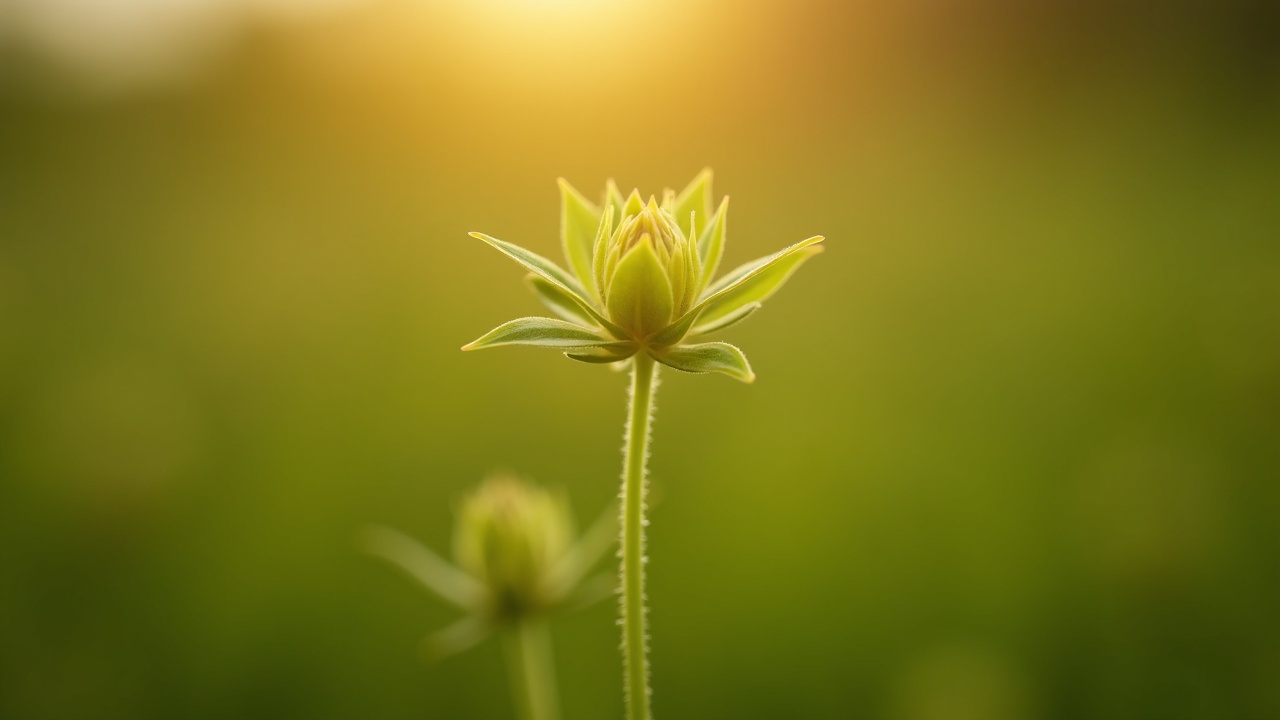
Calea zacatechichi (Calea ternifolia var. ternifolia) is a sprawling, semi-woody shrub in the Asteraceae family, native to the highlands of central Mexico, particularly the states of Oaxaca, Veracruz, and Chiapas. The plant grows 3–5 feet tall with opposite, ovate, slightly rough-textured leaves and small, white to yellowish composite flowers. The entire plant has an intensely bitter taste that is almost universally described as unpleasant.
The common name “dream herb” or “leaf of the god” (thle-pelakano in Chontal) reflects its unique traditional use as an oneirogen—a substance used to enhance, clarify, or induce dreams. This places it in a rare ethnobotanical category alongside only a handful of other plants worldwide that are used specifically for dream modification.
Ethnobotanical Context
The Chontal (Tequistlatec) people of Oaxaca use calea as a divination tool. Before sleep, a tea is prepared from the dried leaves or the leaves are smoked. The resulting dreams are believed to carry messages from the spirit world that can reveal the causes of illness, locate lost objects, or predict future events. This practice was documented by Mexican ethnobotanist Thomas MacDougall in the 1960s and later studied by researchers at the National Autonomous University of Mexico. The use is deeply embedded in Chontal healing practices and should be understood within that cultural framework.
Growing Requirements
| Parameter | Range / Tolerance |
|---|---|
| USDA Hardiness Zones | 9b–11 (perennial); greenhouse or annual in cooler zones |
| Light | Full sun to partial shade |
| Soil | Well-drained, moderately fertile; pH 6.0–7.5 |
| Moisture | Moderate; does not tolerate waterlogging or extended drought |
| Temperature | 60–90°F; growth slows below 55°F; frost-sensitive |
| Propagation | Stem cuttings (easiest), seed (erratic germination), or layering |
In Central Texas, calea can be grown as a summer annual or maintained in containers that are moved indoors during winter. It grows vigorously in warm conditions and responds well to regular pruning, which promotes bushy growth. The plant is relatively pest-free, likely due to its intense bitterness.
Phytochemistry
| Compound Class | Key Members |
|---|---|
| Sesquiterpene Lactones | Germacranolides (caleicin, caleochromene); responsible for intense bitterness |
| Flavonoids | Acacetin, hispidulin, salvigenin |
| Chromenes | Various benzochromene derivatives |
The specific compound(s) responsible for the reported oneirogenic effects have not been conclusively identified. The germacranolide sesquiterpene lactones are the most studied fraction, but the mechanism of dream enhancement remains unknown. Some researchers have speculated about effects on cholinergic neurotransmission during REM sleep, but this remains unconfirmed.
Scientific Investigation
Very Limited Research
Calea has received remarkably little scientific attention. The most cited study is a 1986 investigation by Mayagoitia and colleagues that found calea extract increased the number of superficial sleep episodes and hypnagogic imagery in healthy volunteers compared to placebo, providing some objective support for the ethnobotanical claims. No large-scale clinical trials have been conducted.
- Sleep architecture: The 1986 study reported increased light sleep stages and hypnagogic imagery, consistent with enhanced dream recall.
- Anti-inflammatory: Germacranolides demonstrate anti-inflammatory activity in preclinical models.
- Antimicrobial: Leaf extracts show broad-spectrum antimicrobial activity in vitro.
Preparation and Use
- Tea: Traditional preparation involves steeping 3–5 grams of dried leaf in hot water. The tea is extremely bitter and is typically consumed quickly rather than sipped.
- Smoke: Dried leaves are sometimes smoked before bed in traditional practice. This is the least studied and least recommended route of administration.
- Timing: Taken 30–60 minutes before sleep for reported effects on dream vividness and recall.
Precautions
- Limited safety data: Very few formal safety studies exist. Use with caution and in moderation.
- Pregnancy and lactation: Avoid; no safety data available.
- Bitter taste: The extreme bitterness may cause nausea in some individuals.
- Legal status: Legal in the United States; restricted in some countries (check local regulations).
- Set and setting: As with any psychoactive plant, context, intention, and moderation matter.
References
- Mayagoitia et al., Journal of Ethnopharmacology (1986) — psychopharmacological study
- MacDougall, Economic Botany (1968) — ethnobotanical documentation
- Schultes & Hofmann, Plants of the Gods — ethnobotanical context
- Wu et al., Phytochemistry — germacranolide characterization
- Leonti et al., Journal of Ethnopharmacology — Asteraceae in Mexican traditional medicine