Growing
Cat’s Claw (Uncaria tomentosa): The Amazonian Vine the Asháninka Call “The Sacred Herb of the Rainforest”
Complete cat's claw cultivation guide covering Uncaria tomentosa vine botany, tropical cultivation, oxindole alkaloid chemistry.
On this page
Botanical Description
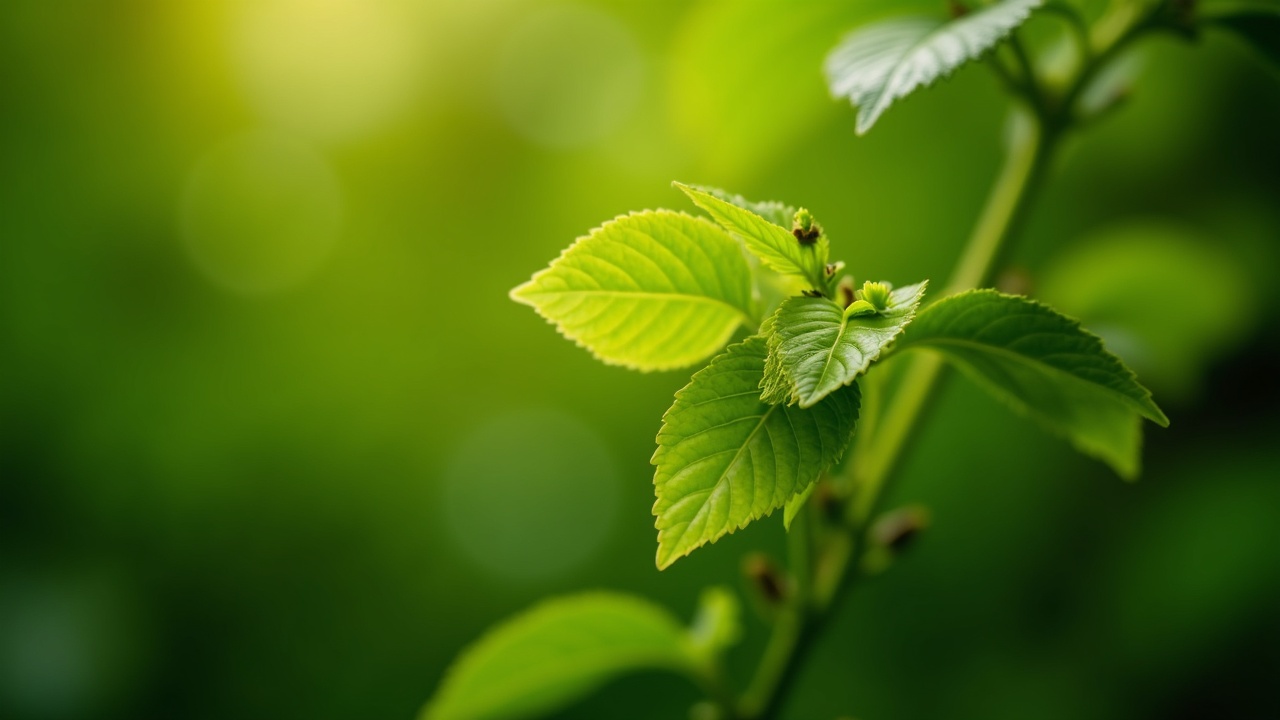
Cat’s claw (Uncaria tomentosa) is a large, woody vine (liana) in the Rubiaceae (coffee) family, native to the tropical rainforests of Central and South America, particularly the Amazon basin of Peru, Colombia, Ecuador, and Brazil. The vine can reach extraordinary lengths of 100+ feet, climbing into the forest canopy using pairs of curved, claw-like thorns at leaf nodes, the feature that gives it both its common name and the Spanish name uña de gato.
The inner bark of the stem and root is the primary medicinal part, traditionally harvested by carefully peeling strips from mature vines without killing the plant, a sustainable harvesting practice developed by Indigenous peoples over centuries.
Two Species, Different Chemistry
Two species of Uncaria are sold as cat’s claw: U. tomentosa and U. guianensis. They contain different alkaloid profiles and are not interchangeable. U. tomentosa contains pentacyclic oxindole alkaloids (POAs) associated with immune stimulation, while U. guianensis contains predominantly tetracyclic oxindole alkaloids (TOAs) which may actually antagonize the immune effects of POAs. Ensure your source specifies U. tomentosa and, ideally, is standardized for POA content.
Cultivation
Cat’s claw is a tropical plant that requires warm, humid conditions and is challenging to grow outside USDA zones 10–12. However, it can be grown as a container vine in a greenhouse or conservatory.
| Parameter | Range / Tolerance |
|---|---|
| USDA Hardiness Zones | 10–12 (outdoors); greenhouse in zones 7–9 |
| Light | Partial shade to dappled light (understory vine in nature) |
| Soil | Rich, moist, well-drained; acidic; pH 4.5–6.5 |
| Moisture | High; consistent moisture required; humidity 60%+ preferred |
| Temperature | 65–85°F year-round; no frost tolerance |
| Support | Requires strong trellis or arbor; vigorous climber |
Phytochemistry
| Compound Class | Key Members |
|---|---|
| Pentacyclic Oxindole Alkaloids (POAs) | Isopteropodine, pteropodine, isomitraphylline, uncarine F, mitraphylline, speciophylline |
| Quinovic Acid Glycosides | Anti-inflammatory triterpene glycosides unique to Uncaria |
| Procyanidins | Proanthocyanidin dimers with antioxidant and anti-inflammatory activity |
| Sterols | Beta-sitosterol, stigmasterol, campesterol |
Traditional Use
The Asháninka people of the Peruvian Amazon consider cat’s claw one of their most important medicinal plants, using inner bark decoctions for:
- Deep cleansing and detoxification of the body
- Recovery from serious illness and debility
- Digestive disorders and gastric ulcers
- Joint inflammation and arthritis
- General immune support and resilience
Clinical Research
- Immune stimulation: Clinical studies demonstrate increased white blood cell counts, enhanced phagocytic activity, and improved immune surveillance in healthy volunteers and immunocompromised patients.
- Osteoarthritis: A well-designed RCT showed significant improvement in knee osteoarthritis pain and function compared to placebo, with effects appearing within 1 week of treatment.
- Rheumatoid arthritis: A 52-week RCT found that cat’s claw extract reduced joint pain and swelling as an adjunct to conventional RA treatment.
- DNA repair: Unique clinical finding: C-Med-100 (a water-soluble cat’s claw extract) enhanced DNA repair capacity and reduced DNA damage in human volunteers after 8 weeks of supplementation.
Precautions
- Autoimmune conditions: Immune-stimulating properties may exacerbate autoimmune disorders.
- Blood pressure: May lower blood pressure; monitor if on antihypertensives.
- Anticoagulants: Theoretical antiplatelet activity; caution with blood thinners.
- Pregnancy: Traditionally used as a contraceptive; contraindicated during pregnancy.
- CYP3A4 interactions: May inhibit cytochrome P450 3A4 enzyme; potential drug interactions similar to grapefruit.
Extraction & Preparation
The active oxindole alkaloids (POAs) and quinovic acid glycosides in cat’s claw are water-soluble, making decoction the most efficient traditional and practical preparation. The inner bark is the feedstock, not the leaves or stems.
Simple Home Methods
Cat’s claw alkaloids are water-soluble, which makes water-based preparations the easiest and most effective starting point. They also extract well in acidic solvents, and the freebased alkaloids can be pulled into oil with a basic wash.
Decoction: Add 2 teaspoons of dried shredded inner bark to a covered pot with 2 cups of water. Bring to a low boil and simmer 25 minutes. Let steep covered another 10 minutes, then strain through cheesecloth. Drink 1–2 cups daily. This is what the Asháninka used and it works as well as anything.
Mason jar tincture: Fill a jar with dried bark, cover completely with Everclear diluted to 60% (3 parts Everclear 190-proof to 2 parts water) or 80-proof vodka. Seal and leave in a dark cabinet 4–6 weeks, shaking every few days. Strain and press the bark through cheesecloth. Dose: 2–3 mL in water, up to 3 times daily.
Vinegar extraction: Pack a mason jar with shredded inner bark and cover with raw apple cider vinegar. Seal and macerate for 4–6 weeks. The acetic acid improves alkaloid solubility, effective preparation for those avoiding alcohol. Strain through cheesecloth and press firmly. Dose: 1 tablespoon in water, twice daily. Shelf life is 1–2 years stored cool and dark.
High-pH oil extraction: Make a strong decoction first. While still warm, stir in ¼ teaspoon of baking soda per cup to raise pH to ~9, which converts the alkaloid salts to their freebase form. Add an equal volume of MCT oil or olive oil, shake vigorously for 2 minutes, and let separate. The freebased alkaloids migrate into the oil layer. Skim off the oil and discard the water layer. Store the alkaloid-infused oil in the fridge. This is a more concentrated preparation. Start with ½ teaspoon doses.
Bark Decoction (Traditional Method)
Simmer 1–2 teaspoons of dried, shredded inner bark per cup of water for 20–30 minutes in a covered vessel. Strain and drink. Alkaloid stability is good under prolonged heat; the Asháninka traditionally boiled preparations for extended periods. Typical dose is 1–2 cups daily. This is the preparation used in most clinical studies.
Ethanol Tincture
60–70% ethanol extracts both the water-soluble alkaloids and some of the triterpene glycosides. Macerate shredded dried inner bark at a 1:5 ratio for 4–6 weeks, shaking daily. Decant and press. Dose: 2–4 mL three times daily. Ethanol tinctures have the advantage of long shelf life (3+ years properly stored) and convenience over daily decoction.
Standardized Extracts
Commercial standardized extracts are typically specified for POA content (pentacyclic oxindole alkaloids) and are the most reliable way to ensure therapeutic alkaloid levels. When selecting commercial extract, verify it specifies U. tomentosa and states POA concentration, TOA-containing U. guianensis extracts are inferior for immune applications. Avoid extracts that don’t specify species.
Product Use
Decoctions and tinctures are used for immune support, joint inflammation, and digestive health. The POA alkaloids drive the immunomodulatory effect, they increase white blood cell activity, not simply suppress inflammation, making cat’s claw mechanistically distinct from anti-inflammatory herbs like turmeric or boswellia. Cycle use: 3 months on, 2–4 weeks off. Not appropriate for continuous indefinite use in autoimmune patients.
References
- Piscoya et al., Inflammation Research (2001), osteoarthritis RCT
- Mur et al., Journal of Rheumatology (2002), rheumatoid arthritis RCT
- Sheng et al., Phytomedicine (2000), DNA repair clinical study
- Keplinger et al., Journal of Ethnopharmacology, ethnobotanical and clinical review
- WHO Monographs on Selected Medicinal Plants, Uncaria tomentosa bark
Common questions
What is botanical description?
Cat’s claw ( Uncaria tomentosa ) is a large, woody vine (liana) in the Rubiaceae (coffee) family, native to the tropical rainforests of Central and South America, particularly the Amazon basin of Peru, Colombia, Ecuador, and Brazil. The vine can reach extraordinary lengths of 100+ feet, climbing into the forest canopy using pairs of curved, claw-like thorns at leaf nodes, the feature that gives it both its common name and the Spanish name uña de gato .
How do I grow cats claw?
Cat’s claw is a tropical plant that requires warm, humid conditions and is challenging to grow outside USDA zones 10–12. However, it can be grown as a container vine in a greenhouse or conservatory. USDA Hardiness Zones: 10–12 (outdoors); greenhouse in zones 7–9. Light: Partial shade to dappled light (understory vine in nature). Soil: Rich, moist, well-drained; acidic; pH 4.5–6.5.
What has cats claw traditionally been used for?
The Asháninka people of the Peruvian Amazon consider cat’s claw one of their most important medicinal plants, using inner bark decoctions for:. Deep cleansing and detoxification of the body. Recovery from serious illness and debility. Digestive disorders and gastric ulcers. Joint inflammation and arthritis.
What is clinical research?
Immune stimulation: Clinical studies demonstrate increased white blood cell counts, enhanced phagocytic activity, and improved immune surveillance in healthy volunteers and immunocompromised patients. Osteoarthritis: A well-designed RCT showed significant improvement in knee osteoarthritis pain and function compared to placebo, with effects appearing within 1 week of treatment. Rheumatoid arthritis: A 52-week RCT found that cat’s claw extract reduced joint pain and swelling as an adjunct to conventional RA treatment.
What can I make from cats claw?
The active oxindole alkaloids (POAs) and quinovic acid glycosides in cat’s claw are water-soluble, making decoction the most efficient traditional and practical preparation. The inner bark is the feedstock, not the leaves or stems. Cat’s claw alkaloids are water-soluble, which makes water-based preparations the easiest and most effective starting point. They also extract well in acidic solvents, and the freebased alkaloids can be pulled into oil with a basic wash. Decoction: Add 2 teaspoons of dried shredded inner bark to a covered pot with 2 cups of water.