extraction
Pressurized Hot Water Extraction: When Water Becomes an Organic Solvent
How pressurized hot water (subcritical water) extraction uses temperature and pressure to make water behave like an organic solvent.
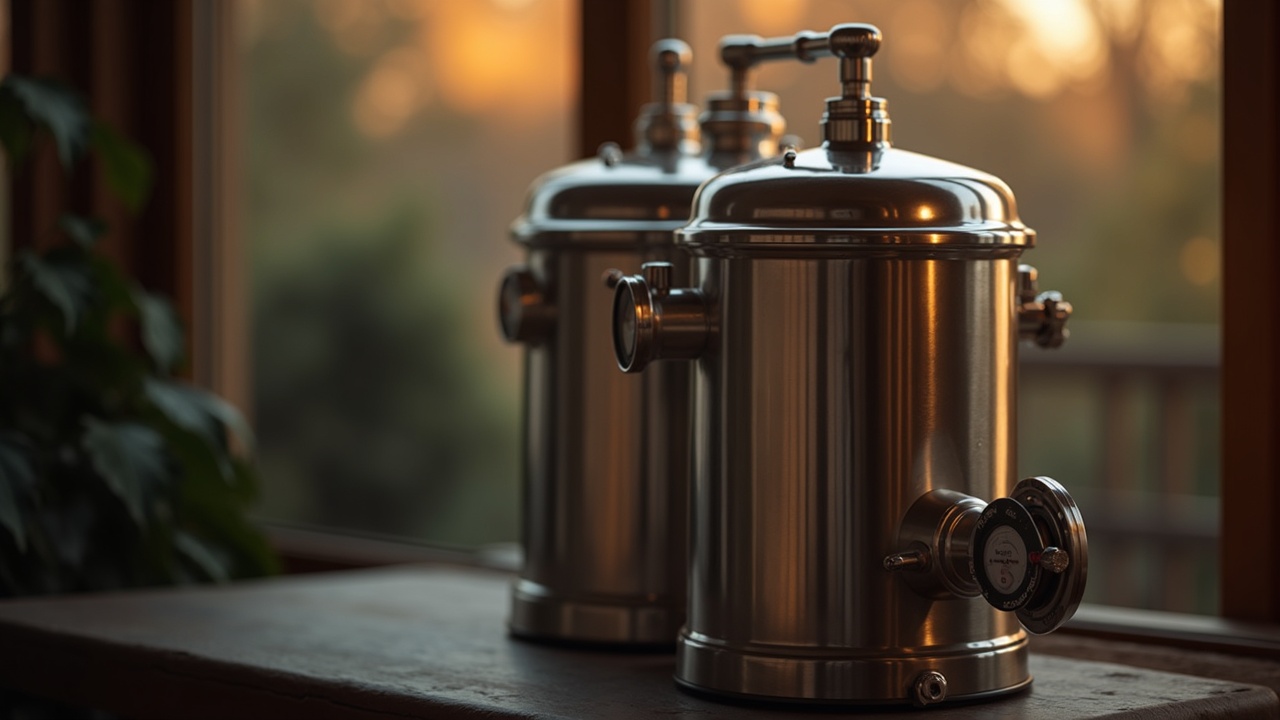
Subcritical Water: A Tunable Solvent
Under normal atmospheric pressure, water boils at 100°C and has a dielectric constant of about 80 — making it an excellent solvent for polar compounds but a poor one for non-polar molecules. However, when water is pressurized to keep it liquid above its normal boiling point, something remarkable happens to its properties.
As temperature increases from 100°C toward water's critical point (374°C, 221 bar), the dielectric constant drops progressively. At 200°C and sufficient pressure (approximately 15–20 bar to keep it liquid), water's dielectric constant falls to about 35 — similar to methanol. At 250°C, it drops to about 27 — comparable to ethanol. At 300°C, it approaches 20 — similar to acetone. This means that by simply adjusting temperature and maintaining sufficient pressure, water can be made to mimic the dissolving behavior of organic solvents.
Water in this superheated, pressurized, but still liquid state is called "subcritical water" or "pressurized hot water." It exists between 100°C and 374°C at pressures sufficient to prevent boiling (typically 10–100 bar). At these conditions, water can dissolve moderately non-polar compounds including many phenolics, flavonoids, terpenes, and organic acids that are poorly soluble in water at room temperature.
Water's Dielectric Constant as a Tuning Dial
At 25°C, water's dielectric constant (80) makes it ideal for salts and sugars. At 150°C under pressure (45), it dissolves phenolic acids and flavonoids efficiently. At 250°C (~27), it can extract less polar compounds like some terpenoids and sterols. This temperature-controlled tunability — using nothing but water and heat — is the core principle of pressurized hot water extraction (PHWE).
Temperature and Pressure Parameters
| Parameter | Typical Range |
|---|---|
| Temperature | 100–300°C (most botanical extraction at 100–200°C) |
| Pressure | 10–100 bar (sufficient to maintain liquid state) |
| Extraction Time | 5–60 minutes (static or dynamic flow) |
| Flow Rate (dynamic) | 1–10 mL/min for laboratory; scaled proportionally for production |
| Plant Material Prep | Dried and ground (similar to CO2 extraction requirements) |
| Equipment Cost | $15,000–50,000 (lab); $50,000–300,000 (production) |
The system operates in two main modes. In static mode, water is heated and pressurized in a sealed vessel containing plant material for a fixed time before release. In dynamic (flow-through) mode, pressurized hot water is continuously pumped through the plant material, carrying dissolved compounds downstream where they are collected after cooling. Dynamic mode generally produces higher yields because fresh solvent maintains a strong concentration gradient throughout the extraction.
Green Chemistry Advantages
PHWE is considered one of the greenest extraction technologies available, and this is its primary selling point in an industry increasingly conscious of environmental impact:
- Solvent is water: No organic solvents are used, purchased, stored, recovered, or disposed of. The environmental footprint of solvent logistics is eliminated entirely.
- No residual solvents: The extract contains only water and dissolved compounds. When the water is evaporated, there is zero solvent residue — a significant regulatory and safety advantage for food, supplement, and cosmetic products.
- Energy from heat: The extraction driving force is thermal energy, which can come from renewable sources. No electricity-intensive pressurization systems like those required for supercritical CO2.
- Water reuse: The spent water can often be recycled or used for irrigation after cooling. No hazardous waste stream is generated.
- Reduced processing steps: Because the solvent is water, many post-extraction purification steps (solvent removal, residual solvent testing) are unnecessary, simplifying the production process.
Applications and Products
Polyphenol-Rich Extracts
PHWE at 120–180°C is highly effective for extracting polyphenols, flavonoids, and phenolic acids from a wide range of botanical materials. Research shows comparable or superior yields to ethanol extraction for compounds like rosemarinic acid from rosemary, catechins from green tea, chlorogenic acid from coffee beans, and quercetin from onion skins. The resulting extracts are clean, concentrated, and free of organic solvent residues.
Antioxidant Extracts
PHWE produces extracts with high antioxidant activity from plants like grape pomace, olive leaves, turmeric, and various medicinal herbs. The higher extraction temperatures can actually increase antioxidant yield by hydrolyzing bound phenolics into their free, more bioavailable forms — a processing advantage unique to PHWE.
Medicinal Mushroom Compounds
The tough chitin cell walls of medicinal mushrooms (reishi, chaga, lion's mane, turkey tail) resist conventional water extraction. PHWE at 150–200°C breaks down these barriers more effectively than boiling water, increasing polysaccharide and triterpene yields significantly. This is an area of growing commercial interest.
Essential Oil Components
While PHWE cannot replace steam distillation for producing pure essential oils (the compounds dissolve in the pressurized water rather than separating as a distinct oil layer), it can extract individual aromatic compounds and flavor molecules from herbs and spices. These water-dissolved aromatic extracts are used in the food and beverage industry.
Algae and Seaweed
Marine botanicals with tough cell walls and unique compound profiles respond well to PHWE. Polysaccharides (fucoidan, alginate, carrageenan), phenolics, and pigments from brown, red, and green algae are efficiently extracted at 120–200°C.
How PHWE Compares to Other Methods
- vs. Conventional water extraction: PHWE extracts 2–5x more compounds and accesses moderately non-polar molecules that boiling water cannot dissolve. Extraction is faster (minutes vs. hours).
- vs. Ethanol extraction: Similar or better yields for many phenolic compounds, with zero solvent residue. However, PHWE cannot match ethanol for very non-polar compounds or for producing shelf-stable tinctures (where alcohol serves as preservative).
- vs. CO2 extraction: Lower equipment cost and simpler operation. However, CO2 excels at very non-polar compounds (waxes, lipids, terpenes) that even subcritical water cannot dissolve. The two methods are complementary rather than competitive.
- vs. Ultrasonic/Microwave: PHWE works without additional equipment beyond the pressurized vessel. It achieves temperature-driven polarity tuning that energy-assisted methods do not. However, UAE and MAE can operate at lower temperatures, preserving more thermolabile compounds.
Advantages and Limitations
Key Advantages
- True green chemistry: Uses only water — the safest, cheapest, and most environmentally benign solvent available.
- Tunable polarity: Temperature adjustment allows targeting different compound classes without changing solvents.
- Clean extracts: No organic solvent residues in the final product.
- Fast: Extraction times of 5–30 minutes for most applications.
- Hydrolysis advantage: Mild hydrolysis at elevated temperatures can release bound bioactives, increasing yields of free phenolics and aglycones.
- Regulatory simplicity: No solvent handling permits, storage requirements, or residual solvent testing.
Key Limitations
- Thermal degradation: Temperatures above 150°C can degrade heat-sensitive compounds. Careful optimization is required for each plant material to balance extraction efficiency against compound stability.
- Hydrolysis risk: The same elevated temperatures that beneficially hydrolyze some compounds can destructively hydrolyze others, particularly glycosides and delicate peptides.
- Polarity ceiling: Even at 250°C, subcritical water cannot dissolve highly non-polar molecules like long-chain lipids, waxes, and some terpenoids. True non-polar extraction still requires CO2 or organic solvents.
- Equipment requirements: Pressurized vessels rated for 100+ bar and 300°C are not trivial engineering. Equipment costs are moderate — less than CO2 but more than simple ethanol extraction setups.
- Dilute extracts: The water-based extract must be concentrated (evaporated) to produce a usable product, which requires additional energy and processing time.
- Limited commercial adoption: PHWE remains more common in research than in commercial botanical production. Operating protocols for many specific plants have not yet been optimized and published.
A Technology to Watch
Pressurized hot water extraction sits at the intersection of green chemistry, economic efficiency, and extraction science. As environmental regulations tighten and consumer demand for clean-label, solvent-free products grows, PHWE is positioned to become a major commercial extraction technology. Its ability to mimic organic solvents using only water and heat makes it one of the most intellectually elegant solutions in the field.