Growing
Feverfew (Tanacetum parthenium): The Medieval Migraine Remedy That Clinical Science Took Seriously
Complete feverfew cultivation guide covering Tanacetum parthenium daisy-like botany, easy garden growing, parthenolide chemistry.
On this page
Botanical Description
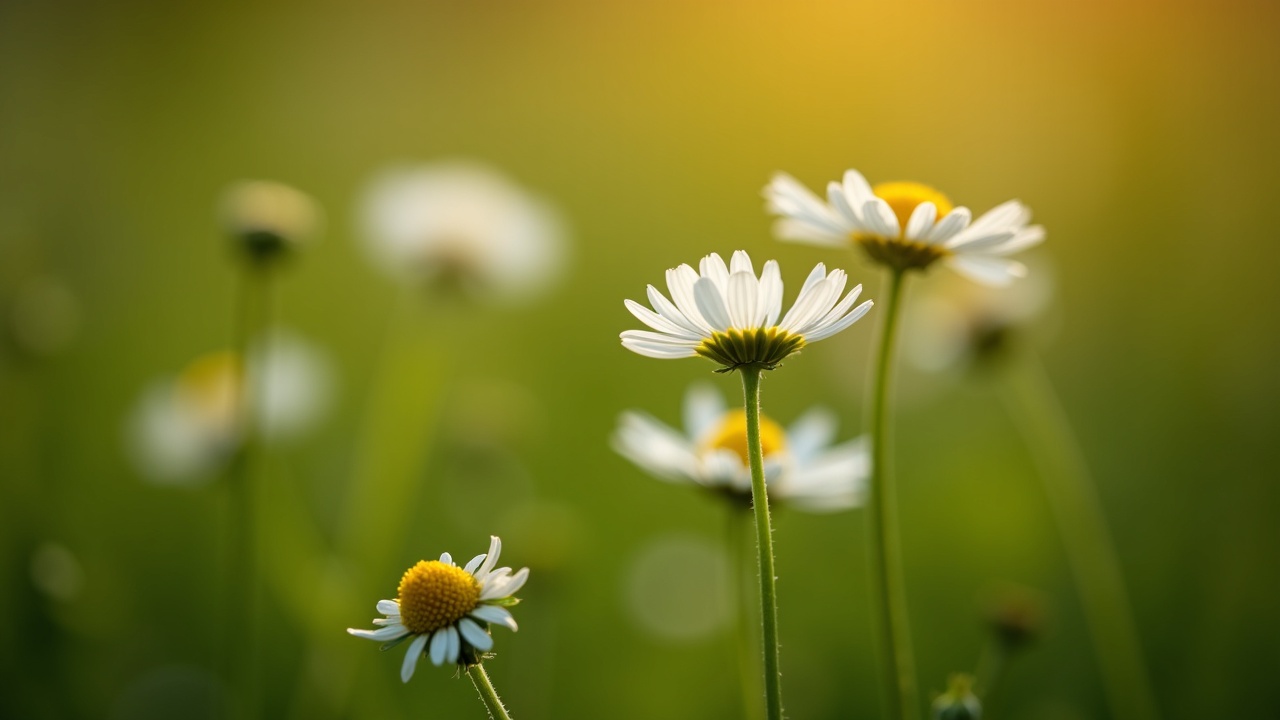
Feverfew (Tanacetum parthenium, syn. Chrysanthemum parthenium) is a bushy, aromatic perennial in the Asteraceae family, native to southeastern Europe and now naturalized across the temperate world. Plants grow 12–24 inches tall with deeply lobed, bright yellowish-green leaves that have a distinctive bitter, citrus-like aroma. Small, daisy-like flower heads with white ray petals and raised yellow centers appear in profuse clusters throughout summer.
The plant self-seeds freely and can become a persistent garden volunteer, an attribute that has made it a fixture of cottage gardens and herb borders for centuries. Its strong aroma and bitter taste deter most herbivorous insects, making it one of the most pest-free herbs in cultivation.
The Raw Leaf Tradition
The traditional method of using feverfew for migraines is remarkably simple and has persisted unchanged for centuries: chew 1–3 fresh leaves daily as a preventive measure. The practice was popularized in the 1970s when a Welsh doctor’s wife, a chronic migraine sufferer, began chewing feverfew leaves on the advice of a coal miner who had used the same remedy. Her dramatic improvement caught the attention of the medical community and triggered the first clinical investigations.
Growing Requirements
| Parameter | Range / Tolerance |
|---|---|
| USDA Hardiness Zones | 5–10 |
| Light | Full sun to partial shade |
| Soil | Average, well-drained; tolerates poor soil; pH 6.0–6.7 |
| Moisture | Low to moderate; drought-tolerant once established |
| Propagation | Seed (easy; surface sow), cuttings, or division |
| Spacing | 12–15 inches |
Phytochemistry
| Compound Class | Key Members |
|---|---|
| Sesquiterpene Lactones | Parthenolide (primary active; 0.2–0.5% of dry leaf weight) |
| Flavonoids | Tanetin (lipophilic flavonol; anti-inflammatory) |
| Volatile Oil | Camphor, chrysanthenyl acetate, borneol |
| Melatonin | Present in significant quantities; may contribute to migraine prophylaxis |
Parthenolide is thought to prevent migraines through multiple mechanisms: inhibiting serotonin release from platelets, reducing prostaglandin synthesis, blocking NF-kB inflammatory pathways, and preventing smooth muscle spasms in cerebral blood vessels. This multi-target approach may explain why feverfew is more effective as a prophylactic (preventive) than as an acute treatment.
Clinical Research
- Migraine prevention: A landmark 1988 RCT in The Lancet demonstrated a 24% reduction in migraine frequency and significantly reduced nausea and vomiting in feverfew-treated patients compared to placebo. Subsequent trials have produced mixed but generally supportive results.
- Cochrane review: The 2015 Cochrane analysis concluded that feverfew is “likely to be effective” for migraine prevention based on available evidence, while noting study heterogeneity and the need for larger, more standardized trials.
- Dose-response: Clinical benefit appears to require a minimum of 0.2% parthenolide content in the dried leaf, taken consistently for at least 4–6 weeks before full prophylactic effect is established.
Precautions
- Mouth ulcers: Chewing fresh leaves can cause mouth sores and lip swelling in ~10% of users. Capsules or dried-leaf preparations avoid this issue.
- Rebound headaches: Abrupt discontinuation after long-term use may trigger rebound migraines. Taper gradually.
- Pregnancy: Contraindicated; parthenolide may stimulate uterine contractions.
- Blood thinning: May inhibit platelet aggregation; avoid with anticoagulants.
- Asteraceae allergy: Cross-reactivity possible.
Extraction & Preparation
Feverfew’s primary active compound, parthenolide, is a sesquiterpene lactone that is heat-labile and volatile. This fundamentally shapes preparation method: heat-based extractions (decoctions, hot infusions) degrade parthenolide significantly. Fresh plant or dried-at-low-temperature material preserves the most active parthenolide.
Simple Home Methods
Parthenolide is a sesquiterpene lactone. Lipophilic and heat-sensitive. This means oil infusions work well for it, hot water teas do not, and cold ethanol is the reliable liquid preparation. The simplest method requires no preparation equipment at all.
Fresh leaf (simplest method): Eat 2–3 fresh leaves from the plant each morning, sandwiched between two slices of bread or spread with butter or nut butter to cut the intense bitterness. This is the classic British folk preparation and preserves parthenolide fully because no processing is involved. Grow a pot of feverfew on a windowsill for year-round access.
Cold ethanol tincture: Fill a mason jar with finely chopped fresh or recently dried leaf, cover with 80-proof vodka or Everclear diluted to 60–70%, seal, and macerate 5–6 weeks in a dark cabinet. Do not use heat. Strain through cheesecloth and press firmly. Dose: 1–2 mL in water daily. Never make a hot tea from feverfew, heat destroys parthenolide.
Butter or MCT oil infusion: Gently warm 1 cup of unsalted butter or MCT oil in a double boiler to 160°F (not boiling). Add 1 ounce of finely dried feverfew leaf and hold at 160°F for 3–4 hours, stirring occasionally. Strain through cheesecloth and press firmly. The parthenolide is lipophilic and extracts well into fat at this temperature. Below the threshold that would degrade it. Store butter infusion in the fridge; use ½–1 teaspoon daily in food or drink. MCT infusion can be taken directly or added to smoothies.
Dry ice separation: Feverfew has glandular trichomes on the leaf surface that concentrate the sesquiterpene content. Place dried leaves in a fine mesh bag with dry ice, seal, and shake vigorously over a clean tray for 2–3 minutes. Collect the pale powder that falls through. This is a concentrated glandular trichome extract. Use in very small amounts; far more potent than dried leaf by weight.
Fresh Leaf (Traditional Method)
The traditional British folk use was 2–3 fresh leaves eaten daily, typically in a sandwich to mask the intensely bitter flavor. This remains one of the most effective delivery methods for parthenolide because no heat is involved. The leaf is harvested in summer when parthenolide concentrations peak. Oral ulceration is a known side effect of direct leaf contact; encapsulating fresh-dried leaf powder eliminates this.
Cold Ethanol Tincture
Macerate fresh or recently dried leaf in 70% ethanol at room temperature for 4–6 weeks. Do not use heat. Parthenolide is ethanol-soluble and stable in alcohol extraction. This is the preferred liquid preparation for preserving full sesquiterpene lactone content. Dose: 1–2 mL daily. Clinical studies on feverfew for migraine prevention have used standardized dried leaf (0.2% parthenolide minimum). Check parthenolide content when selecting commercial preparations.
Dried Leaf Capsule
Shade-dry or dehydrate at under 95°F to preserve parthenolide. Grind and encapsulate. The clinical dose used in migraine prevention trials is 125 mg dried leaf daily, corresponding to approximately 0.25 mg parthenolide. Commercially available capsules standardized to 0.2–0.7% parthenolide are the most reliable option for therapeutic use.
Product Use
Feverfew’s primary validated application is migraine prevention, not acute treatment. Daily use reduces migraine frequency, not intensity of individual attacks once triggered. Parthenolide inhibits platelet aggregation and serotonin release from platelets, both implicated in migraine pathophysiology. Minimum 3 months of daily use required to assess effectiveness. Abrupt discontinuation can trigger rebound headache (“post-feverfew syndrome”), taper off gradually.
References
- Murphy et al., The Lancet (1988), landmark migraine RCT
- Pittler & Ernst, Cochrane Database of Systematic Reviews (2004, updated 2015), feverfew for migraine
- Pareek et al., Journal of Ethnopharmacology (2011), feverfew comprehensive review
- European Medicines Agency, Herbal Monograph on Tanacetum parthenium
- British Herbal Pharmacopoeia, feverfew monograph
Common questions
What is botanical description?
Feverfew ( Tanacetum parthenium , syn. Chrysanthemum parthenium ) is a bushy, aromatic perennial in the Asteraceae family, native to southeastern Europe and now naturalized across the temperate world. Plants grow 12–24 inches tall with deeply lobed, bright yellowish-green leaves that have a distinctive bitter, citrus-like aroma. Small, daisy-like flower heads with white ray petals and raised yellow centers appear in profuse clusters throughout summer. The plant self-seeds freely and can become a persistent garden volunteer, an attribute that has made it a fixture of cottage gardens and herb borders for centuries.
How do I grow feverfew?
USDA Hardiness Zones: 5–10. Light: Full sun to partial shade. Soil: Average, well-drained; tolerates poor soil; pH 6.0–6.7. Moisture: Low to moderate; drought-tolerant once established. Propagation: Seed (easy; surface sow), cuttings, or division.
What is clinical research?
Migraine prevention: A landmark 1988 RCT in The Lancet demonstrated a 24% reduction in migraine frequency and significantly reduced nausea and vomiting in feverfew-treated patients compared to placebo. Subsequent trials have produced mixed but generally supportive results. Cochrane review: The 2015 Cochrane analysis concluded that feverfew is “likely to be effective” for migraine prevention based on available evidence, while noting study heterogeneity and the need for larger, more standardized trials.
What can I make from feverfew?
Feverfew’s primary active compound, parthenolide, is a sesquiterpene lactone that is heat-labile and volatile. This fundamentally shapes preparation method: heat-based extractions (decoctions, hot infusions) degrade parthenolide significantly. Fresh plant or dried-at-low-temperature material preserves the most active parthenolide. Parthenolide is a sesquiterpene lactone. Lipophilic and heat-sensitive.