Growing
Muira Puama (Ptychopetalum olacoides): The “Potency Wood” That French Pharmacologists Studied After Brazilian Healers Wouldn’t Stop Talking About It
Complete muira puama guide covering Ptychopetalum olacoides Amazonian rainforest ecology, lupeol and muirapuamine chemistry, Brazilian traditional use as a nerve tonic and aphrodisiac, French clinical investigations, and the challenges of studying deep-jungle botanicals.
On this page
Botanical Description & Ecology
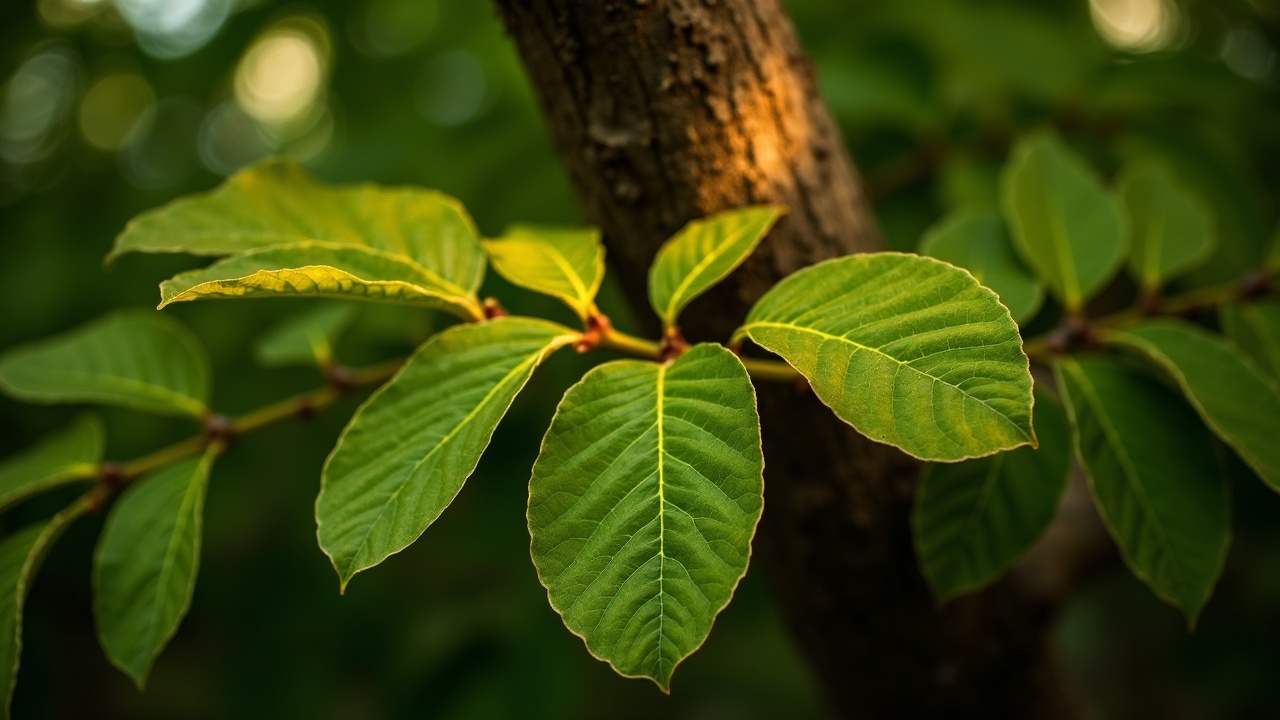
Muira puama (Ptychopetalum olacoides, family Olacaceae) is a small to medium-sized tree, rarely exceeding 15–30 feet in height, native to the flooded (igápo) and unflooded (terra firme) forests of the Brazilian Amazon, particularly the Rio Negro and Orinoco river basins. The tree has smooth bark, small white flowers with a jasmine-like fragrance, and produces small orange fruits. The common name “muira puama” translates roughly from Tupi as “potency wood” (muira = wood, tree; puama = potent, strong), reflecting its primary traditional use.
The bark and root are the used parts, typically collected from wild trees by ribeirinhos (river-dwelling communities) and processed into tinctures or dried bark chips. The plant is not cultivated commercially, and all supply comes from wild harvest in the Brazilian Amazon. This makes muira puama a strictly ethnobotanical subject for this guide, it cannot be grown outside of tropical Amazonian conditions.
The French Connection
Muira puama entered European pharmacology in an unusual way. Brazilian immigrants in Paris in the early 1900s brought the bark with them and continued using it as a traditional remedy. French pharmacologists, intrigued by consistent anecdotal reports of aphrodisiac and nerve-tonic effects, began investigating it in the 1920s–1930s. Muira puama was included in the British Herbal Pharmacopoeia and was listed in several European pharmacopoeias as a treatment for sexual debility and neurasthenia. The leading modern clinical investigator, Dr. Jacques Waynberg of the Institute of Sexology in Paris, conducted the most cited human studies in the 1990s.
Ecological Context
| Parameter | Details |
|---|---|
| Native Range | Brazilian Amazon: Rio Negro, Orinoco, and tributary systems |
| Habitat | Terra firme and igapo (seasonally flooded) forests; sandy, acidic soils |
| Temperature | 75–95°F year-round; equatorial climate |
| Rainfall | 2,000–3,500mm annually; high humidity |
| Growth Form | Small tree, 15–30 feet; slow-growing |
| Parts Used | Bark and root (whole or powdered); sometimes stems |
| Cultivation | Not commercially cultivated; all supply wild-harvested |
| Sustainability | Moderate concern; increasing demand without cultivation programs; CITES not listed |
Phytochemistry
| Compound Class | Key Members |
|---|---|
| Triterpenes | Lupeol (primary; anti-inflammatory, antioxidant); alpha- and beta-amyrin; ursolic acid |
| Sterols | Beta-sitosterol, campesterol, stigmasterol |
| Alkaloids | Muirapuamine (unique to this species; structure partially characterized); trace amounts |
| Free Fatty Acids | Behenic acid, lignoceric acid; long-chain saturated fatty acids |
| Essential Oil | Alpha-pinene, beta-pinene, camphor; contributes to the characteristic woody aroma |
| Coumarin | Trace amounts |
Despite decades of investigation, the active compound(s) responsible for muira puama’s reported sexual and neurological effects remain poorly characterized. The alkaloid muirapuamine is unique to this species and is suspected to play a role, but its full structure and pharmacology have not been completely elucidated. Lupeol, the most abundant triterpene, has well-documented anti-inflammatory and neuroprotective properties in preclinical models, but whether it contributes to the sexual effects is unclear. This knowledge gap reflects the broader challenge of studying complex Amazonian botanicals that resist reductionist compound-by-compound analysis.
Clinical Research
- Sexual function (Waynberg 1990): An open-label study of 262 men with sexual dysfunction reported that 62% experienced improvement in libido and 51% experienced improvement in erectile function after 2 weeks of muira puama extract. The study lacked a placebo control, limiting its conclusions but establishing the research direction.
- Sexual desire in women (Waynberg & Brewer 2000): A small RCT of a muira puama + ginger combination in premenopausal women with low sexual desire showed significant improvement in frequency of sexual fantasies, desire, and satisfaction compared to placebo.
- Cognitive performance: A 2004 study by Siqueira and colleagues demonstrated that muira puama extract improved memory retrieval in both young and aged mice, with the effect attributed to acetylcholinesterase inhibition. Human cognitive studies are lacking.
- Overall evidence: The clinical evidence for muira puama is modest in both quality and quantity. Studies are small, several lack placebo controls, and the specific preparation and dosing vary between studies. The traditional use history is extensive but formal clinical validation remains preliminary.
Traditional Preparation
- Decoction: Bark chips simmered in water for 15–30 minutes; consumed as a tea. Traditional Amazonian method.
- Tincture: Bark macerated in cachaca (sugarcane spirit) for 2–4 weeks. Common Brazilian preparation method.
- Powder: Dried bark ground to powder; encapsulated or added to beverages. Most common Western supplement form.
- Dosing: Traditional use typically involves 1–3 grams of dried bark daily, or equivalent extract. Clinical studies used 1–1.5g of standardized extract.
Precautions
- Limited safety data: No formal toxicology or pharmacokinetic studies in humans have been published.
- Blood pressure: Some reports suggest muira puama may have mild hypertensive effects; monitor blood pressure if using regularly.
- Insomnia: Stimulating effects reported by some users; avoid evening dosing.
- Drug interactions: Potential interactions with anticoagulants (lupeol effects), antihypertensives, and hormonal medications. Limited data available.
- Pregnancy/lactation: Contraindicated; no safety data.
- Adulteration: Due to wild-harvest only supply and increasing demand, product quality varies widely. Some products may contain related but different Ptychopetalum species or unrelated wood.
References
- Waynberg, American Journal of Natural Medicine (1994), open-label sexual function study
- Waynberg & Brewer, Advances in Therapy (2000), female sexual desire RCT
- Siqueira et al., Phytomedicine (2003), memory and acetylcholinesterase effects
- Tang et al., Bioorganic & Medicinal Chemistry, lupeol pharmacology review
- Piato et al., Phytomedicine (2009), anxiolytic effects in animal models
Common questions
What is ecological context?
Native Range: Brazilian Amazon: Rio Negro, Orinoco, and tributary systems. Habitat: Terra firme and igapo (seasonally flooded) forests; sandy, acidic soils. Temperature: 75–95°F year-round; equatorial climate. Rainfall: 2,000–3,500mm annually; high humidity. Growth Form: Small tree, 15–30 feet; slow-growing.
What is clinical research?
Sexual function (Waynberg 1990): An open-label study of 262 men with sexual dysfunction reported that 62% experienced improvement in libido and 51% experienced improvement in erectile function after 2 weeks of muira puama extract. The study lacked a placebo control, limiting its conclusions but establishing the research direction. Sexual desire in women (Waynberg & Brewer 2000): A small RCT of a muira puama + ginger combination in premenopausal women with low sexual desire showed significant improvement in frequency of sexual fantasies, desire, and satisfaction compared to placebo.
What can I make from muira puama?
Decoction: Bark chips simmered in water for 15–30 minutes; consumed as a tea. Traditional Amazonian method. Tincture: Bark macerated in cachaca (sugarcane spirit) for 2–4 weeks. Common Brazilian preparation method. Powder: Dried bark ground to powder; encapsulated or added to beverages.