Growing
Tribulus (Tribulus terrestris): The Invasive Weed With the Biggest Gap Between Marketing Claims and Clinical Evidence in the Supplement Industry
Complete tribulus guide covering Tribulus terrestris global distribution and invasive weed ecology, protodioscin and steroidal saponin chemistry.
On this page
Botanical Description
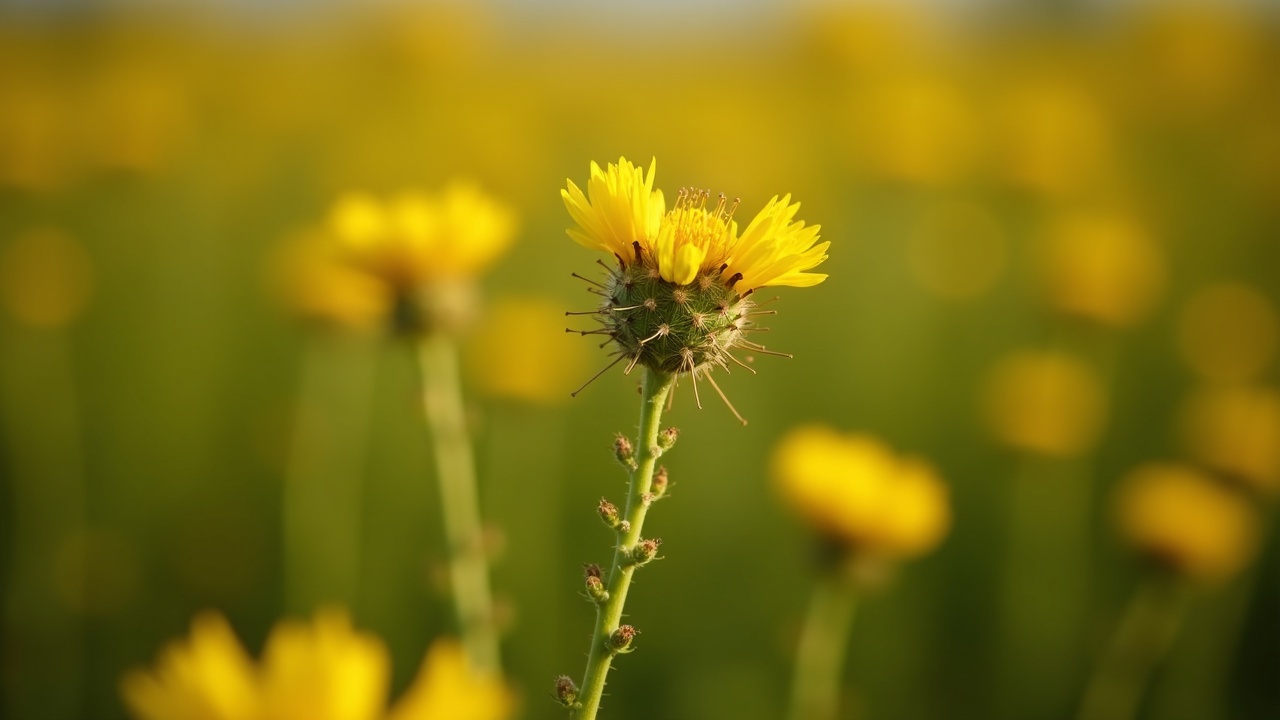
Tribulus terrestris is an annual or short-lived perennial in the Zygophyllaceae (caltrop) family, native to the Mediterranean region but now distributed across warm-temperate and tropical zones worldwide, including Africa, Asia, Australia, and the Americas. The plant is a low-growing, spreading herb with pinnately compound leaves and small yellow flowers, reaching 10–24 inches across as a ground-hugging mat. It is most infamous for its fruit: a hard, spiny nutlet with 2–4 sharp spines arranged so that one spine always points upward regardless of how the fruit lands on the ground.
These spines are the source of the common name “puncture vine”. They can puncture bicycle tires, penetrate shoe soles, and injure livestock hooves. Tribulus is considered a noxious weed in most of the United States, Australia, and southern Africa, where it colonizes roadsides, construction sites, and disturbed agricultural land with aggressive efficiency.
The Bulgarian Weightlifting Story
Tribulus entered the sports supplement market through a specific and dramatic origin story. In the 1970s–1980s, the Bulgarian national weightlifting team dominated international competition, winning numerous Olympic medals. Their pharmaceutical company, Sopharma, produced a tribulus extract called “Tribestan” that was reportedly used by athletes as part of their training regimen. When Cold War secrecy lifted, the story spread through bodybuilding media that Bulgarian weightlifters attributed their success partly to tribulus. This origin story, combined with the presence of “steroidal” saponins in the plant, launched a multi-hundred-million-dollar supplement category. However, the Bulgarian athletes were also using actual anabolic steroids, making attribution of performance to tribulus alone highly questionable.
Growing (or Eradicating)
| Parameter | Details |
|---|---|
| USDA Hardiness Zones | 5–11 (annual in cold zones, perennial in warm); grows almost anywhere |
| Light | Full sun; thrives in hot, exposed sites |
| Soil | Any soil type; prefers poor, sandy, or gravelly soil; drought-adapted |
| Moisture | Very low; extremely drought-tolerant; thrives in arid conditions |
| Propagation | Seed (scarify or nick seed coat for faster germination); self-seeds aggressively |
| Growth Rate | Fast; can produce fruit within 3–5 weeks of germination |
| Invasive Potential | HIGH. Listed as noxious weed in many states and countries. Do not plant in areas where it is listed as invasive. |
Tribulus is included in this guide primarily as a pharmacological subject rather than a cultivation recommendation. In most locations, it grows spontaneously and the challenge is controlling it rather than encouraging it. If you wish to grow it for research or educational purposes, container cultivation is strongly recommended to prevent escape.
Phytochemistry
| Compound Class | Key Members |
|---|---|
| Steroidal Saponins | Protodioscin (primary; 0.5–6% depending on plant part and origin), protogracillin, terrestrosin; furostanol-type saponins |
| Flavonoids | Kaempferol, quercetin, isorhamnetin; antioxidant activity |
| Alkaloids | Harmane, norharmane (beta-carboline alkaloids; MAO inhibition in vitro) |
| Phytosterols | Beta-sitosterol, stigmasterol, diosgenin |
| Lignanamides | Terrestriamide, N-trans-caffeoyl tyramine; nitric oxide-related effects |
The word “steroidal” in “steroidal saponins” is the source of enormous confusion. Steroidal saponins are plant compounds with a steroid-like chemical backbone, but they are NOT anabolic steroids and do NOT function like testosterone in the body. Protodioscin, the primary saponin, has a chemical structure that superficially resembles DHEA, which led to the early (incorrect) hypothesis that it might be converted to testosterone in the body. Multiple well-designed studies have now shown this does not occur.
Clinical Research: What the Evidence Actually Shows
Testosterone: Definitively Negative
- Neychev & Mitev (2005): RCT in healthy young men; tribulus (200mg 3x/day, 40% protodioscin) for 4 weeks; NO change in testosterone, androstenedione, or LH.
- Rogerson et al. (2007): RCT in elite rugby players; tribulus (450mg/day) for 5 weeks during training; NO change in testosterone, body composition, or performance.
- Saudan et al. (2008): Pharmacokinetic study showing no effect on urinary testosterone/epitestosterone ratio, confirming no testosterone production.
- Qureshi et al. (2014): Systematic review of all available evidence; concluded tribulus does not increase testosterone in humans.
- Summary: The clinical evidence is clear and consistent: tribulus terrestris does not raise serum testosterone in humans, regardless of dose, duration, or extract standardization. The marketing claim is not supported.
Sexual Function: Genuinely Positive
- Kamenov et al. (2017): Large RCT (180 women) showing significant improvement in sexual desire, arousal, lubrication, orgasm, and satisfaction with tribulus (750mg/day) vs. placebo over 120 days, without any change in sex hormone levels.
- Santos et al. (2014): RCT in men with mild-to-moderate erectile dysfunction; significant improvement in erectile function scores with tribulus vs. placebo.
- Mechanism: The sexual function effects appear to be mediated through nitric oxide-related vasodilation (lignanamides) and possibly central nervous system effects (beta-carboline alkaloids acting as mild MAO inhibitors), NOT through testosterone modulation.
The Lesson for Botanical Medicine
Tribulus terrestris is a perfect case study in how supplement marketing can diverge from scientific evidence. The plant has genuine, clinically demonstrated effects on sexual function, but through mechanisms completely different from what was marketed for decades. The testosterone claim was always based on the superficial chemical similarity of saponins to steroids and on anecdotes from athletes who were simultaneously using actual anabolic steroids. The real story, a plant that improves sexual function through nitric oxide and potentially MAO pathways without affecting hormones, is actually more interesting and more useful than the false testosterone narrative, but it doesn’t sell supplements as effectively.
Traditional Use
In Ayurvedic medicine, tribulus (gokshura) is used primarily as a urinary tract tonic and diuretic, not as a testosterone booster. The fruit is used for urolithiasis (kidney/bladder stones), painful urination, and as a general rejuvenative (rasayana). In traditional Chinese medicine (ci ji li), the fruit is used for headache, eye disorders, and to “soothe the liver.” Neither system historically associated tribulus with testosterone or anabolic effects.
Precautions
- Hepatotoxicity: Rare case reports of liver injury associated with tribulus supplements, possibly due to contamination or adulteration rather than the plant itself.
- Photosensitivity: Livestock grazing on large quantities of tribulus develop a photosensitivity syndrome (tribulosis) causing skin lesions. Not documented in humans at supplement doses.
- Kidney effects: Traditional diuretic use; may affect kidney function or interact with diuretic medications.
- Pregnancy/lactation: Contraindicated; saponins may have effects on reproductive hormones at high doses in animal studies.
- Drug interactions: Potential interaction with antihypertensive, anticoagulant, and diabetes medications.
Extraction & Preparation
Tribulus’s primary active compounds are steroidal saponins, particularly protodioscin and protogracillin. The concentration of protodioscin varies dramatically by geographic origin, Bulgarian aerial parts contain high protodioscin content (45%+ saponins in standardized extracts), while Indian material (mostly fruit) contains lower concentrations. This geographic variability makes standardized extraction essential for reliable results.
Simple Home Methods
Tribulus saponins are water-soluble, making the decoction a fully functional preparation. Ethanol and vinegar both work as well. Bulgarian aerial parts have higher protodioscin content than Indian fruit material, source accordingly.
Decoction: Lightly crush 1–2 teaspoons of dried tribulus fruit or aerial parts and add to 2 cups of cold water in a small covered pot. Bring to a gentle boil, reduce heat, and simmer 20 minutes. Strain and drink. Traditional Ayurvedic dose is twice daily with meals.
Mason jar tincture: Fill a jar with crushed dried fruit or aerial parts, top with 80-proof vodka or Everclear diluted to 60%, seal, and macerate 4–6 weeks. Shake every few days. Strain and press. Dose: 3–4 mL in water, twice daily.
Vinegar extraction: Pack a mason jar with dried tribulus, cover completely with apple cider vinegar, seal tightly, and macerate 4–6 weeks. Shake regularly. Strain through cheesecloth and press firmly. Saponins are water-soluble and extract well in ACV. This is an effective alcohol-free alternative. Dose: 1–2 tablespoons in water with meals. Stores 1–2 years cool and dark.
Oil infusion: While the primary active saponins are water-soluble, the phytosterol fraction is fat-soluble and extracts into warm oil. Fill a jar with dried tribulus material and cover with MCT or olive oil. Keep warm (140°F water bath) for 4–6 hours. Strain and press. Take 1 teaspoon daily. Less complete than a water extraction for the full saponin profile, but good as a complementary preparation taken alongside the decoction or tincture.
Decoction (Traditional Ayurvedic Method)
In Ayurvedic tradition, the whole fruit is decocted: simmer 1–2 teaspoons of dried crushed fruit per cup of water for 20 minutes. Steroidal saponins are water-soluble; decoction extracts them efficiently. The resulting liquid is bitter. Traditional dose was 5–10 grams of dried fruit per day in two divided doses. This preparation is the historical baseline for tribulus’s kidney-supportive and vitality applications.
Ethanol Tincture
60–70% ethanol extracts the saponin fraction effectively. Macerate dried aerial parts or fruit at 1:5 ratio for 4–6 weeks. Dose: 3–5 mL daily. Ethanol tinctures made from Bulgarian aerial parts will contain higher protodioscin than those made from Indian fruit, specify source when purchasing or preparing.
Standardized Extract
Commercial preparations standardized to 40–60% saponins (as protodioscin) from Bulgarian aerial parts are the most clinically reliable preparations. The majority of clinical research on tribulus and testosterone/libido used standardized Bulgarian aerial part extracts at 750–1250 mg daily, not the Indian fruit material widely sold in the bodybuilding market. Read labels for standardization percentage and source region.
Product Use
Tribulus is used for luteinizing hormone (LH) support, libido enhancement, and kidney/urinary tract support. The LH-stimulating effect is well-documented in animal studies and some human trials; the testosterone-raising effect in healthy males with normal testosterone is minimal to nonexistent in blinded clinical trials, despite widespread marketing claims. The more supported applications are libido, sperm parameters, and urinary function. Dose the standardized extract at 750–1500 mg daily, cycling 3 months on and 1 month off.
References
- Neychev & Mitev, Journal of Ethnopharmacology (2005), testosterone RCT (negative)
- Rogerson et al., Journal of Strength and Conditioning Research (2007), rugby players RCT (negative)
- Kamenov et al., Maturitas (2017), female sexual function RCT (positive)
- Qureshi et al., Journal of Dietary Supplements (2014), systematic review of testosterone claims
- Chhatre et al., Pharmacognosy Reviews (2014), comprehensive phytochemistry and pharmacology review
Common questions
What is botanical description?
Tribulus terrestris is an annual or short-lived perennial in the Zygophyllaceae (caltrop) family, native to the Mediterranean region but now distributed across warm-temperate and tropical zones worldwide, including Africa, Asia, Australia, and the Americas. The plant is a low-growing, spreading herb with pinnately compound leaves and small yellow flowers, reaching 10–24 inches across as a ground-hugging mat. It is most infamous for its fruit: a hard, spiny nutlet with 2–4 sharp spines arranged so that one spine always points upward regardless of how the fruit lands on the ground.
How do I grow tribulus?
USDA Hardiness Zones: 5–11 (annual in cold zones, perennial in warm); grows almost anywhere. Light: Full sun; thrives in hot, exposed sites. Soil: Any soil type; prefers poor, sandy, or gravelly soil; drought-adapted. Moisture: Very low; extremely drought-tolerant; thrives in arid conditions. Propagation: Seed (scarify or nick seed coat for faster germination); self-seeds aggressively.
What has tribulus traditionally been used for?
In Ayurvedic medicine, tribulus ( gokshura ) is used primarily as a urinary tract tonic and diuretic, not as a testosterone booster. The fruit is used for urolithiasis (kidney/bladder stones), painful urination, and as a general rejuvenative ( rasayana ). In traditional Chinese medicine ( ci ji li ), the fruit is used for headache, eye disorders, and to “soothe the liver.” Neither system historically associated tribulus with testosterone or anabolic effects.
What can I make from tribulus?
Tribulus’s primary active compounds are steroidal saponins, particularly protodioscin and protogracillin. The concentration of protodioscin varies dramatically by geographic origin, Bulgarian aerial parts contain high protodioscin content (45%+ saponins in standardized extracts), while Indian material (mostly fruit) contains lower concentrations. This geographic variability makes standardized extraction essential for reliable results. Tribulus saponins are water-soluble, making the decoction a fully functional preparation. Ethanol and vinegar both work as well.