Growing
Yarrow (Achillea millefolium): The Battlefield Herb That Belongs in Every Garden Ecosystem
Complete yarrow cultivation guide covering thousand-leaf botany, prairie and meadow planting, chamazulene chemistry, battlefield first-aid history.
On this page
Botanical Description
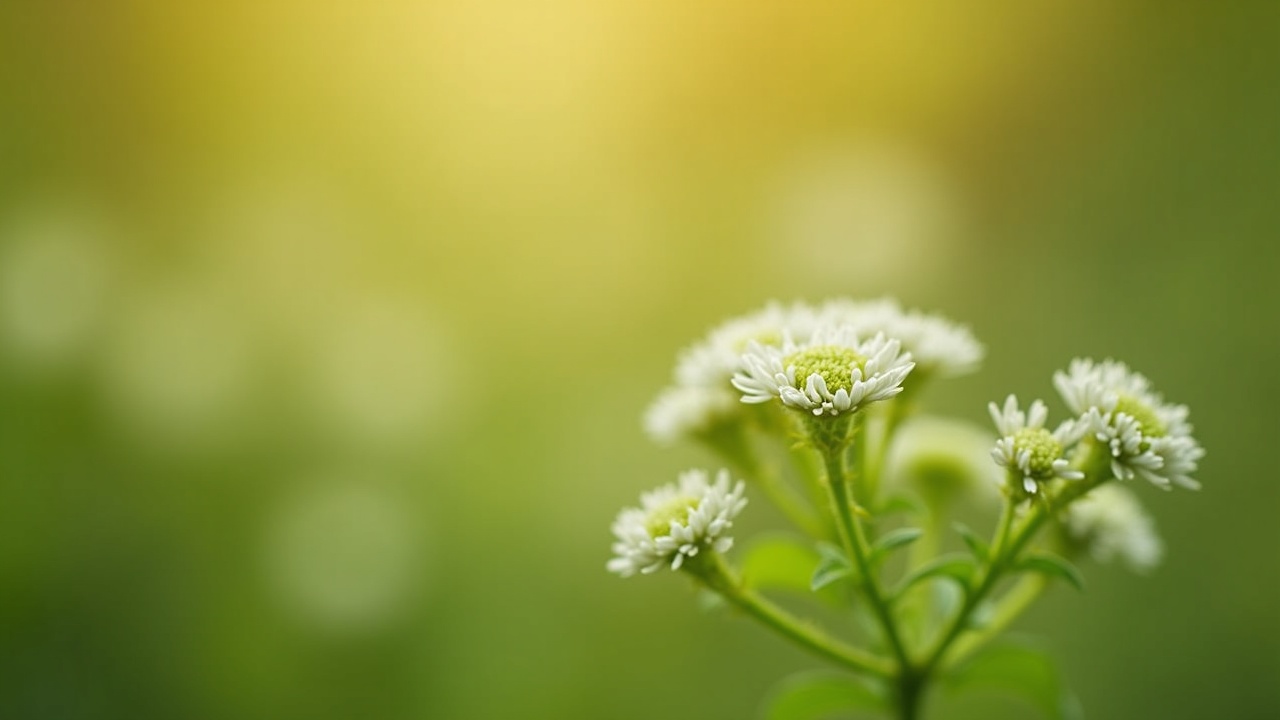
Yarrow (Achillea millefolium) is a tough, aromatic perennial in the Asteraceae family, native to temperate regions of the Northern Hemisphere. The species name millefolium (“thousand leaf”) describes the deeply dissected, fern-like foliage that gives the plant its characteristic feathery appearance. Plants grow 1–3 feet tall with flat-topped clusters (corymbs) of tiny white, pink, or yellow flowers.
The plant spreads by both seed and rhizome, forming extensive colonies over time. This spreading habit, combined with deep taproots that mine nutrients from subsoil layers, makes yarrow a foundational plant in prairie ecosystems and a valuable component in designed landscapes.
Mythological Origin
The genus name Achillea derives from the Greek hero Achilles, who, according to Homer, used yarrow to treat the wounds of his soldiers during the Trojan War. This association with battlefield medicine is remarkably persistent, yarrow was carried by soldiers through the Roman legions, medieval crusades, and American Civil War. The common names “soldier’s woundwort,” “staunchweed,” and “knight’s milfoil” all reference this unbroken martial tradition.
Growing Requirements
| Parameter | Range / Tolerance |
|---|---|
| USDA Hardiness Zones | 2–10 |
| Light | Full sun preferred; tolerates partial shade |
| Soil | Any well-drained soil; thrives in poor, dry, rocky conditions |
| Moisture | Low; extremely drought-tolerant |
| Propagation | Seed (tiny; surface sow), division, or rhizome cuttings |
| Spacing | 12–18 inches; will fill in gaps rapidly |
Yarrow is one of the most universally adaptable plants in temperate horticulture. It tolerates drought, poor soil, foot traffic, mowing, and neglect. In rich, moist garden soil, it can become aggressively invasive, keep it in lean conditions for manageable growth and higher essential oil production.
Ecosystem Services
- Dynamic accumulator: Deep taproots mine potassium, phosphorus, copper, and calcium from subsoil, making these nutrients available to shallower-rooted neighbors through leaf decomposition.
- Beneficial insect habitat: Flat flower clusters provide landing platforms for hoverflies, parasitic wasps, ladybugs, and lacewings, all important predators of garden pests.
- Companion planting: Traditionally believed to improve the vigor and essential oil production of neighboring aromatic herbs. A standard companion in herb spiral and kitchen garden designs.
- Biodynamic preparation: Yarrow preparation (BD 502) is one of the six compost preparations in biodynamic agriculture, valued for its potassium and sulfur content.
- Erosion control: Dense rhizome network stabilizes slopes and disturbed soils.
Phytochemistry
| Compound Class | Key Members |
|---|---|
| Sesquiterpene Lactones | Achillicin, achillin (bitter compounds) |
| Volatile Oil | Chamazulene (blue, anti-inflammatory; forms during distillation), 1,8-cineole, camphor, borneol |
| Flavonoids | Apigenin, luteolin, rutin, quercetin |
| Tannins | Proanthocyanidins (astringent, styptic action) |
| Alkaloids | Achilleine (claimed styptic agent, though debated) |
Traditional and Functional Uses
- First aid (styptic): The most ancient use. Fresh, crushed leaves applied to wounds slow bleeding through a combination of astringent tannins and vasoconstrictive volatile compounds. This is a genuine field first-aid application that works in practice.
- Digestive bitter: The bitter sesquiterpene lactones stimulate digestive secretions, making yarrow tea a traditional aperitif and digestive aid.
- Fever management: Used as a diaphoretic (sweat-inducing) tea during fevers, often combined with elderflower and peppermint in the classic European “cold and flu” formula.
- Anti-inflammatory: Topical applications for bruises, sprains, and skin inflammation. Chamazulene content provides anti-inflammatory activity similar to chamomile.
Precautions
- Asteraceae allergy: Standard cross-reactivity warnings apply.
- Pregnancy: Contains thujone and other uterine-stimulant compounds; avoid during pregnancy.
- Photosensitivity: Handling fresh yarrow in sunlight can cause contact dermatitis in some individuals.
- Blood thinning: Paradoxically, while yarrow is styptic topically, some evidence suggests internal use may thin blood. Avoid with anticoagulant medications.
Extraction & Preparation
Yarrow’s active compounds span two primary fractions: a volatile essential oil (0.2–1.0% in aerial parts) containing azulene, camphor, and borneol, and a water-soluble fraction containing achillin, achillin glycosides, and flavonoids. Both fractions are therapeutically relevant, requiring different extraction approaches depending on the intended use.
Simple Home Methods
Yarrow is one of the most versatile plants for home preparation. The volatile terpenoids are aromatic and fat-soluble; the flavonoids extract in water and alcohol; the hemostatic compounds work topically on contact. Fermented yarrow preparations (yarrow ale, yarrow wine) have a documented history in Northern European cultures predating hop-based beer by centuries.
Tea: Pour boiling water over 1–2 teaspoons of dried flowers and aerial parts in a covered cup. Steep 15 minutes. Keep the cup covered to trap the volatile fraction. Strain and drink. Drink hot for fever management (diaphoretic); drink cool for anti-inflammatory and digestive use.
Mason jar tincture: Fill a jar with fresh or dried yarrow at peak bloom, cover with 80-proof vodka or Everclear diluted to 60%, seal, and macerate 4 weeks. Strain through cheesecloth and press firmly. Dose: 2–4 mL in water, three times daily. Keeps 3+ years.
Topical fresh crush: Crush or chew fresh leaves and press the pulp directly onto minor cuts and abrasions. Yarrow stops bleeding fast, typically within 1–3 minutes on minor wounds. This is the mechanism behind two millennia of battlefield use. Keep the plant in a kitchen or herb garden for immediate access.
Olive oil or MCT oil infusion: Fill a mason jar with dried yarrow flowers and aerial parts. Cover with olive oil or MCT oil and leave in a warm sunny spot for 4–6 weeks, shaking daily. Alternatively, use a 140°F water bath for 4–6 hours. Strain and press through cheesecloth. The resulting yarrow oil is one of the best topical wound and inflammation oils available. Apply directly to bruises, sore muscles, skin irritation, and minor wounds. Mix into salves or lotions at 10–20% concentration.
Fermentation (yarrow ale): Combine 1 ounce of fresh yarrow flowers with 1 gallon of water and 1–1.5 pounds of malt extract or honey in a fermentation vessel. Bring to a simmer 20 minutes, cool, pitch ale yeast, and ferment 1–2 weeks with an airlock. The result is a mildly bitter, aromatic ale, the traditional Northern European beverage before hops became standard. The fermentation process extracts both water-soluble and alcohol-soluble fractions of the plant.
Dry ice separation: Place dried yarrow flowers in a fine mesh paint strainer bag with dry ice. Shake vigorously over a clean glass surface for 3 minutes. The cold makes the aromatic trichomes brittle; they break off and fall through the mesh. Collect the pale resinous powder that accumulates. This is a concentrated aromatic extract. Add to oil infusions or use as a finishing ingredient in topical preparations.
Hot Infusion (Aerial Parts)
Steep 1–2 teaspoons of dried flowers and aerial parts in freshly boiled water for 10–15 minutes, covered. The volatile fraction partially escapes even covered, but the flavonoid and bitter compound fraction extracts well. Yarrow tea has a distinctly aromatic, bitter, slightly astringent flavor. Traditional dose is 1 cup taken hot for fever induction (diaphoretic use), or 2–3 cups daily for wound healing support and digestive use. Drink hot to promote sweating; drink cool for digestive/anti-inflammatory applications.
Fresh Plant or Dried Herb Tincture
Macerate aerial parts at peak bloom in 40–60% ethanol at a 1:5 ratio for 4 weeks. Both the volatile terpenoids and the polar flavonoids extract well at this ethanol concentration. Fresh plant tincture preserves more of the aromatic fraction. Dose: 2–4 mL three times daily. This preparation is more consistent than tea for systemic anti-inflammatory and hemostatic applications.
Topical Application
Yarrow is one of the most effective topical hemostatic herbs available. Freshly crushed leaves or a strong infusion applied directly to minor wounds stops bleeding within minutes. This is the mechanism behind the plant’s Latin epithet millefolium (thousand leaves) and its mythological association with Achilles. A concentrated yarrow infusion or tincture diluted 1:3 with water also functions as an antimicrobial wound wash.
Product Use
Yarrow serves three primary roles: topical hemostatic and wound-healing herb, diaphoretic for fever management (hot tea induces sweating), and bitter digestive tonic. As a wound herb it is unmatched among common temperate plants. Carry dried aerial parts in any field kit. Internally, the bitter sesquiterpene lactones stimulate bile production and digestive secretions. The flavonoids (apigenin, luteolin) contribute mild anti-inflammatory and antispasmodic effects for cramping and menstrual irregularity.
References
- Benedek & Kopp, Journal of Ethnopharmacology, yarrow in traditional European medicine
- Candan et al., Phytomedicine, anti-inflammatory and antioxidant properties
- Pfister, Biodynamic Preparations Around the World, yarrow preparation BD 502
- Toussaint-Samat, A History of Food, yarrow in ancient culinary and medicinal traditions
- PFAF Plant Database, Achillea millefolium cultivation and uses
Common questions
What is botanical description?
Yarrow ( Achillea millefolium ) is a tough, aromatic perennial in the Asteraceae family, native to temperate regions of the Northern Hemisphere. The species name millefolium (“thousand leaf”) describes the deeply dissected, fern-like foliage that gives the plant its characteristic feathery appearance. Plants grow 1–3 feet tall with flat-topped clusters (corymbs) of tiny white, pink, or yellow flowers. The plant spreads by both seed and rhizome, forming extensive colonies over time.
How do I grow yarrow?
USDA Hardiness Zones: 2–10. Light: Full sun preferred; tolerates partial shade. Soil: Any well-drained soil; thrives in poor, dry, rocky conditions. Moisture: Low; extremely drought-tolerant. Propagation: Seed (tiny; surface sow), division, or rhizome cuttings.
What are ecosystem services?
Dynamic accumulator: Deep taproots mine potassium, phosphorus, copper, and calcium from subsoil, making these nutrients available to shallower-rooted neighbors through leaf decomposition. Beneficial insect habitat: Flat flower clusters provide landing platforms for hoverflies, parasitic wasps, ladybugs, and lacewings, all important predators of garden pests. Companion planting: Traditionally believed to improve the vigor and essential oil production of neighboring aromatic herbs. A standard companion in herb spiral and kitchen garden designs.
What has yarrow traditionally been used for?
First aid (styptic): The most ancient use. Fresh, crushed leaves applied to wounds slow bleeding through a combination of astringent tannins and vasoconstrictive volatile compounds. This is a genuine field first-aid application that works in practice. Digestive bitter: The bitter sesquiterpene lactones stimulate digestive secretions, making yarrow tea a traditional aperitif and digestive aid. Fever management: Used as a diaphoretic (sweat-inducing) tea during fevers, often combined with elderflower and peppermint in the classic European “cold and flu” formula.
What can I make from yarrow?
Yarrow’s active compounds span two primary fractions: a volatile essential oil (0.2–1.0% in aerial parts) containing azulene, camphor, and borneol, and a water-soluble fraction containing achillin, achillin glycosides, and flavonoids. Both fractions are therapeutically relevant, requiring different extraction approaches depending on the intended use. Yarrow is one of the most versatile plants for home preparation. The volatile terpenoids are aromatic and fat-soluble; the flavonoids extract in water and alcohol; the hemostatic compounds work topically on contact.