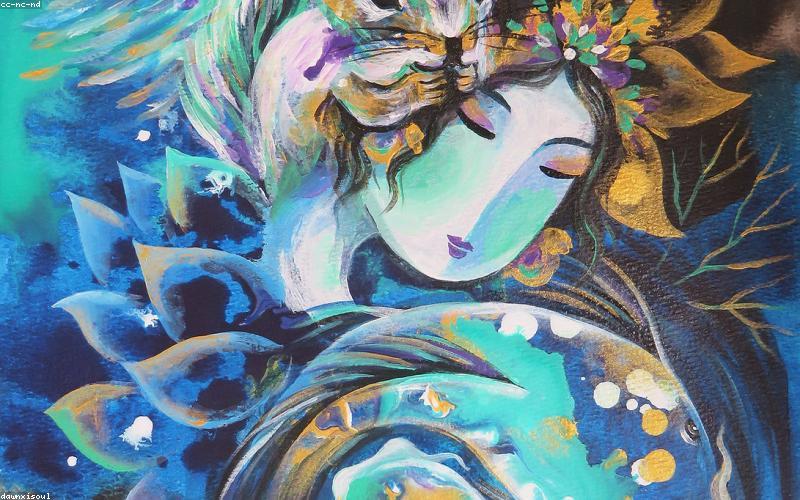
What is blue lotus?
Blue lotus (Nymphaea caerulea), the blue water lily of the Nile, held sacred status in ancient Egypt, its flower appears throughout tomb art and funerary texts, often steeped in wine for ceremonial and relaxing use. Today it is enjoyed for its mild, dreamy, calming character.
The active compounds
Blue lotus owes its effects to aporphine and nuciferine, alkaloids with dopaminergic and mildly sedative activity. The combination is typically described as relaxing and subtly euphoric, with many users associating it with vivid or lucid dreaming when taken before sleep.
How blue lotus is used
Traditional preparations steeped the petals in wine or tea. Modern formats concentrate the actives for consistency: a potent resin extract, a high-strength tincture, easy gummies, or whole dried flowers for tea and steam. Effects are gentle and best appreciated in a calm, unhurried setting.
Safety and responsible use
Blue lotus is for adults 21+ and is not recommended during pregnancy or breastfeeding. Its mild sedative quality means you should avoid driving or operating machinery after use and avoid combining it with alcohol or other sedatives.
Shop Blue Lotus
Learn more
Frequently asked questions
What does blue lotus do?
Blue lotus is used for gentle relaxation and a mildly euphoric, dreamy mood. Its aporphine and nuciferine alkaloids have dopaminergic and lightly sedative activity.
Does blue lotus help with dreams?
Many users take blue lotus before sleep and report more vivid or lucid dreams, an effect commonly linked to its nuciferine content.
What is the strongest form of blue lotus?
Concentrated resin and high-strength tinctures deliver the most actives per serving; dried flower is the gentlest, most traditional format.
Is blue lotus safe?
For most healthy adults 21+ used responsibly, yes. Avoid during pregnancy, do not mix with alcohol or sedatives, and do not drive after use.