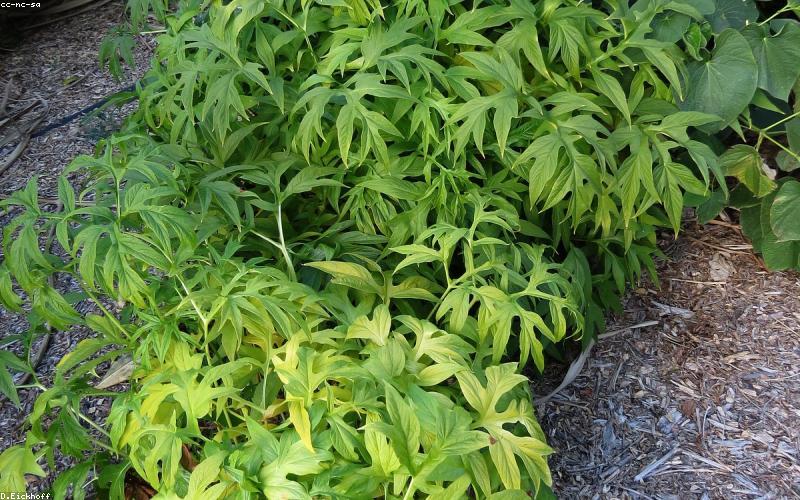
What is kava?
Kava (Piper methysticum) is a Pacific Island plant whose root has been at the center of ceremony and social life for over 3,000 years across Fiji, Vanuatu, Tonga, and Hawaii. The traditional kava ceremony — grinding the root and straining it in water — remains a living practice today.
The active compounds
Kava's signature calm comes from kavalactones such as kavain and dihydrokavain. These compounds interact with GABA pathways to produce relaxation and a sense of ease, distinctively without the cognitive fog associated with alcohol — users often describe feeling calm yet clear.
How kava is used
Traditional kava is prepared by water-extracting ground root. For consistent potency and convenience, a supercritical CO2 extract concentrates the kavalactones cleanly, with no solvent residue — an efficient modern route to kava's classic relaxing effect.
Safety and responsible use
Kava is for adults 21+. Do not combine kava with alcohol or other substances metabolized by the liver, and avoid daily heavy use. If you have a liver condition or take medication, consult a healthcare provider before use.
Shop Kava
Learn more
Frequently asked questions
What does kava do?
Kava promotes relaxation and a calm, sociable mood through its kavalactones, which act on GABA pathways — typically without clouding mental clarity.
What are kavalactones?
Kavalactones (such as kavain and dihydrokavain) are the active compounds in kava root responsible for its calming, anxiolytic-like effects.
Is CO2 kava extract better than traditional kava?
CO2 extraction concentrates kavalactones consistently with no solvent residue, giving reliable potency. Traditional water-prepared kava remains the cultural standard; the extract is a convenient, standardized alternative.
Is kava safe?
Used responsibly by healthy adults 21+, kava has a long history of use. Avoid combining it with alcohol or hepatotoxic substances, and consult a provider if you have liver concerns.